Sliding track wardrobe doors have transformed the way we think about closet organization, turning chaotic storage spaces into sleek, functional havens that fit seamlessly into any room. Picture this: you’re rushing to get ready in the morning, and instead of wrestling with doors that swing wildly into your path, you glide open a panel with effortless grace. That’s the magic of sliding track wardrobe doors—they’re not just hardware; they’re a game-changer for small apartments, cozy bedrooms, or any spot where every inch counts.
Have you ever stared at your overflowing wardrobe, wishing for a solution that’s both practical and stylish? I’ve been there, buried under piles of clothes in a tiny walk-in that felt more like a black hole. After swapping in sliding track wardrobe doors, my space breathed again. In this guide, we’ll dive deep into everything from their basics to pro tips on installation and maintenance. Whether you’re a DIY newbie or dreaming up a custom setup, you’ll walk away ready to upgrade your home. Let’s slide into it!
What Are Sliding Track Wardrobe Doors and Why Do They Matter?
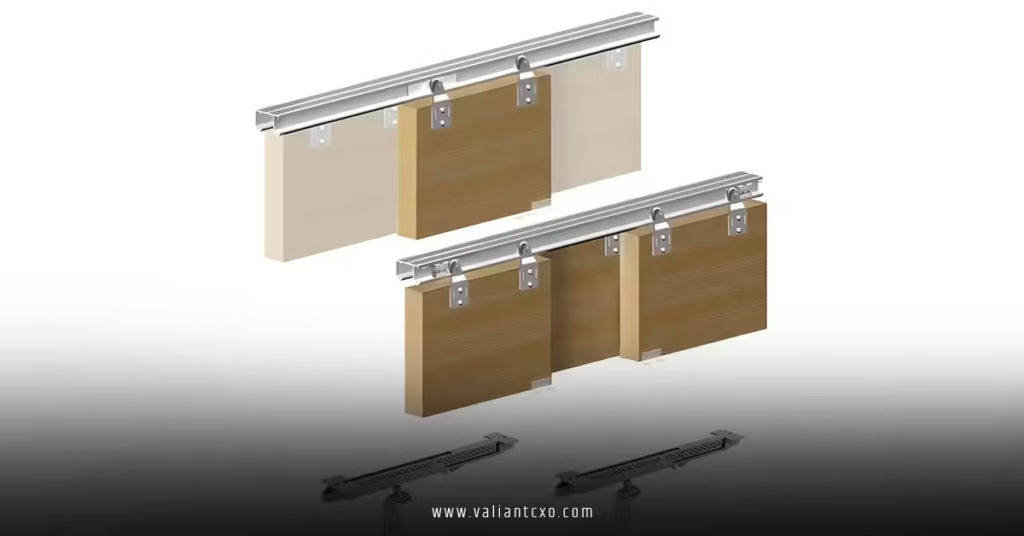
At their core, sliding track wardrobe doors are panels that move horizontally along a top-mounted track (and often a bottom guide for stability), eliminating the need for hinges or swinging arcs. Unlike traditional doors that demand clearance space, these beauties glide past each other, making them ideal for tight quarters. Think of them as the quiet ninjas of home organization—silent, efficient, and always ready to reveal your secrets without a fuss.
But why do sliding track wardrobe doors matter in today’s fast-paced world? Well, with urban living squeezing us into smaller homes, maximizing floor space isn’t a luxury; it’s a necessity. I’ve seen friends in studio apartments swear by them for creating illusionary openness, and honestly, once you try one, there’s no going back. They’re versatile too, fitting into bedrooms, hallways, or even home offices. Ready to unpack their inner workings?
How Sliding Track Wardrobe Doors Actually Work
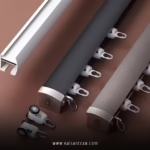
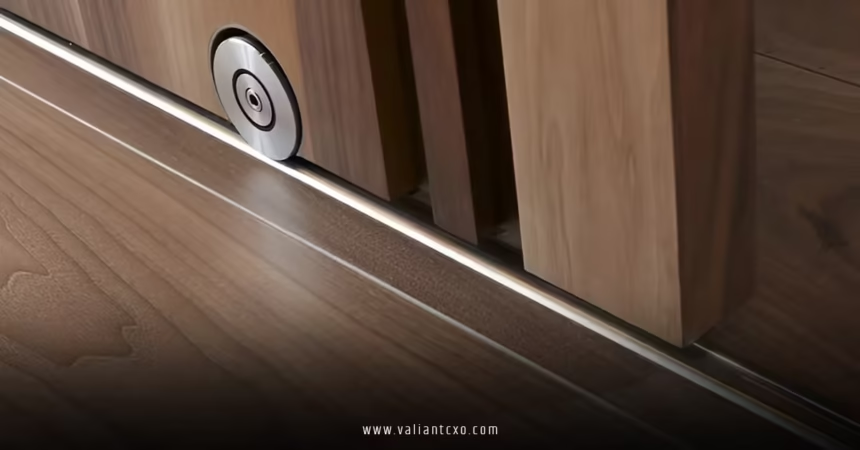
Ever wonder what makes that smooth glide possible? It’s all in the engineering. The top track—usually aluminum or steel—bears most of the weight, with rollers attached to the door’s top edge zipping along like tiny train wheels. A subtle bottom track or guide keeps things aligned, preventing wobbles or derailments. No more doors crashing into furniture or jamming halfway—it’s physics at its finest, wrapped in everyday elegance.
I remember installing my first set; the “aha” moment hit when I realized how little effort it took to access everything. Airy and unobtrusive, sliding track wardrobe doors use gravity and precision to your advantage, ensuring longevity without the creaks of old-school hinges.
The Top Benefits of Sliding Track Wardrobe Doors
Let’s get real: who wants a wardrobe door that fights you every morning? Sliding track wardrobe doors win hearts (and homes) with perks that go beyond mere convenience. They’re like that reliable friend who shows up on time and never lets you down—practical, low-drama, and always enhancing the vibe.
From saving precious square footage to boosting your room’s wow factor, these doors deliver on multiple fronts. But don’t just take my word; let’s break it down with some eye-opening advantages that’ll have you measuring your closet by lunchtime.
Space-Saving Magic: No More Swing Drama
Imagine reclaiming that awkward corner where your old doors used to elbow into the room. Sliding track wardrobe doors hug the wall, sliding parallel instead of perpendicular, freeing up 30-50% more floor space in front of your closet. In a kid’s room crammed with toys or a minimalist bedroom, this is pure gold. It’s like giving your vacuum cleaner a vacation—easier cleaning, better flow, and zero bruised shins.
And here’s a fun twist: in narrow hallways, they prevent that eternal battle of “door vs. dresser.” I’ve chatted with homeowners who say it transformed their daily routine, turning frustration into fluid motion.
Aesthetic Appeal: Sleek Lines for Modern Souls
Who said storage has to be boring? Sliding track wardrobe doors scream contemporary chic, with clean lines that echo Scandinavian simplicity or industrial edge. Frosted glass panels diffuse light like morning mist, while mirrored versions double your space visually—perfect for that illusion of grandeur in a compact flat.
Pair them with matte black frames for an urban loft feel, or warm wood tones for cozy vibes. They’re customizable chameleons, blending into your decor without stealing the show. Trust me, guests notice—and compliment—the subtle sophistication.
Ease of Access and Durability: Built to Last
Opening one panel reveals half your wardrobe instantly, no contortions required. Want both sides? Just slide the other—no heavy lifting or finicky latches. Plus, without hinges prone to sagging, sliding track wardrobe doors boast superior durability, often lasting 10-15 years with minimal wear.
They’re whisper-quiet too, thanks to soft-close mechanisms in premium models. For families with rambunctious teens, this means fewer slammed doors and more peace. It’s thoughtful design that anticipates your life, not the other way around.
Exploring Types of Sliding Track Wardrobe Doors
Diversity is the spice of home design, and sliding track wardrobe doors come in flavors to suit every taste and budget. From budget-friendly vinyl to luxurious timber, the options let you tailor to your lifestyle. But with so many choices, how do you pick? Let’s categorize them to make it crystal clear.
Whether you’re after opacity for privacy or transparency for light play, there’s a type that’ll click. I’ve mixed and matched in my own projects, and the variety never disappoints.
By Material: From Affordable to Opulent
Materials dictate vibe, maintenance, and cost—choose wisely. Vinyl sliding track wardrobe doors are the entry-level heroes: lightweight, moisture-resistant, and under $200 a pair, ideal for humid climates or rentals. They’re like the reliable sneakers of doors—practical, not flashy.
Step up to MDF or plywood for a painted, seamless look; these composites mimic wood at half the price, resisting warping better than solid planks. For elegance, glass or mirrored panels add sparkle—tempered for safety, they reflect light like a boutique dressing room. Aluminum-framed glass? Ultra-modern and sturdy, perfect for heavy use.
And don’t overlook wood: oak or pine brings warmth, though it demands occasional oiling. Each material whispers a story—rustic, refined, or rebellious—ensuring your sliding track wardrobe doors feel personal.
By Design: Configurations for Every Space
Designs range from two-panel bypass (classic overlap for full coverage) to three-panel setups for wider wardrobes, allowing staggered access. Pocket styles slide into the wall for a flush finish, vanishing like magic tricks. Framed or frameless? Framed offers grip-friendly edges; frameless screams minimalism.
Frosted, clear, or louvered vents for airflow—mix textures for depth. In 2025 trends, smart integrations like LED-lit edges or app-controlled locks are popping up, blending tech with tradition.
Choosing the Perfect Sliding Track Wardrobe Doors for Your Home
Selecting sliding track wardrobe doors isn’t rocket science, but it does need a dash of foresight. Start with measurements: height, width, and track length—add 1-2 inches for overlap. Consider your room’s traffic; high-use spots crave robust rollers.
Budget? Factor in not just doors but hardware. Aesthetics: Does matte black match your mid-century modern, or does walnut warm your farmhouse? Functionality trumps all—mirrors for petite spaces, opaque for nurseries.
Pro tip: Mock it up with painter’s tape. I did this once and avoided a costly mismatch. Consult local pros via Home Depot’s installation services for unbiased advice. Your dream closet awaits!
Step-by-Step Guide to Installing Sliding Track Wardrobe Doors
DIY or hire out? Either way, knowing the ropes empowers you. Installation’s straightforward—about 2-4 hours for pros, a weekend for enthusiasts. I’ve tackled a few myself, and the satisfaction rivals assembling IKEA furniture (minus the swearing).
Gather tools first, then follow these steps. Breathe easy; it’s less intimidating than it sounds.
Tools and Prep You’ll Need
Arm yourself with a level, drill, screwdriver set, measuring tape, hacksaw (for trimming tracks), and shims for uneven floors. Safety gear: gloves, goggles. Clear the area—remove old doors if present. Double-check plumb walls; unevenness is the sneaky saboteur.
Lubricant for rollers and a vacuum for debris keep things smooth. Budget $50-100 for extras if starting from scratch.
Detailed Installation Steps for Sliding Track Wardrobe Doors
- Measure and Mark the Tracks: Position the top track flush with the wardrobe frame’s header, 1/16-inch above door height. Use a level—precision here prevents future headaches. Mark screw holes; bottom track aligns directly below, recessed if flooring allows.
- Mount the Tracks Securely: Drill pilot holes to avoid splitting wood. Screw the top track first—it’s the backbone. For bottom, embed in flooring or use guides. Test alignment by sliding a spare roller; adjustments now save tears later.
- Attach Hardware to Doors: Fix rollers to the top inner edges (per manufacturer specs—usually adjustable). Add handles or pulls. For heavier sliding track wardrobe doors, reinforce with bottom wheels.
- Hang and Align the Doors: Lift panels into the top track—enlist a buddy for this lift. Guide bottoms into tracks. Adjust height via roller screws until they glide evenly, about 1/2-inch off the floor. Shim as needed for level.
- Test and Fine-Tune: Slide back and forth 20 times. Lubricate tracks with silicone spray. Install stops to prevent over-sliding. Voilà—your sliding track wardrobe doors are operational!
Stuck? YouTube tutorials abound, but pros charge $200-600. Worth it for peace of mind.
Maintenance Tips for Long-Lasting Sliding Track Wardrobe Doors
Like a well-oiled bike, sliding track wardrobe doors thrive on TLC. Neglect them, and squeaks creep in; pamper, and they hum for decades. I schedule quarterly checks—it’s quicker than a coffee run.
Vacuum tracks monthly to banish dust bunnies that gum up rollers. Wipe panels with a microfiber cloth and mild soap; avoid abrasives on glass or mirrors. For wood, dust with beeswax yearly to fend off dryness.
Lubricate rollers biannually—WD-40 or graphite powder works wonders. Tighten loose screws promptly. In humid spots, silica packs prevent swelling. Simple habits yield big rewards—your investment stays pristine.
Sliding Track Wardrobe Doors vs. Traditional Options: The Showdown
Why sliding over swinging or folding? Let’s pit sliding track wardrobe doors against rivals in a no-holds-barred comparison. Spoiler: they often steal the crown for space-strapped homes.
Versus Hinged Doors: Efficiency Wins
Hinged doors swing out like divas demanding spotlight—great for grandeur, but they gobble space and snag on rugs. Sliding track wardrobe doors? Compact ninjas that stay put, offering smoother operation sans hinge sag. Cost-wise, similar upfront, but slidings save on repairs long-term.
Versus Bifold Doors: Sleekness Over Folds
Bifolds accordion neatly, providing full-view access, but their creases collect dust and hinges wear fast. Sliding track wardrobe doors glide silently, with fewer parts to fail, though access is partial. For visibility junkies, bifolds edge out; for minimalists, slidings rule. In 2025, hybrids blend both worlds.
Cost Breakdown: Investing in Sliding Track Wardrobe Doors in 2025
Money talks, so let’s crunch numbers. Expect $300-1,500 per pair for materials—vinyl at low end, custom glass higher. Installation? $200-600 labor, totaling $500-2,100. Per square foot: $10-80, scaling with size (e.g., 72×80 inches: $400-800).
Factors? Material (aluminum spikes it), custom fits (+20%), and location (urban premiums). DIY slashes half, but pros via Lowe’s project specialists ensure warranties. In 2025, eco-materials like recycled aluminum add 10-15% but pay dividends in sustainability.
Shop smart at IKEA’s sliding wardrobe collection for value packs under $500. It’s an upgrade that appreciates your home’s worth.
Design Ideas to Elevate Your Space with Sliding Track Wardrobe Doors
Dreaming big? Sliding track wardrobe doors are canvases for creativity. In a boho bedroom, weave rattan panels for texture; industrial fans, opt for brushed metal with porthole glass.
For kids, colorful acrylics spark joy. Layer with interior LED strips for a walk-in boutique glow. In alcoves, asymmetrical panels add asymmetry flair. Mix mirrors and frosted for depth—it’s like curating art that stores your socks.
Scale to vibe: petite two-panels for guests, statement triples for masters. Personalize pulls—crystal for glam, leather for rustic. These doors don’t just hide clutter; they harmonize your haven.
Wrapping It Up: Why Sliding Track Wardrobe Doors Deserve a Spot in Your Home
There you have it—sliding track wardrobe doors aren’t just functional; they’re the unsung heroes reshaping how we live, store, and style our spaces. From their space-whispering design and material magic to easy installs and enduring appeal, they tackle modern woes with timeless grace. You’ve got the blueprint: weigh benefits, pick your type, install confidently, and maintain with love. Imagine the freedom—no more cramped corners or dated swings. Your wardrobe’s evolution starts now; slide into a clutter-free tomorrow and watch your home thank you. What’s stopping you? Grab that tape measure and make it happen!
Frequently Asked Questions About Sliding Track Wardrobe Doors
1. Are sliding track wardrobe doors easy to install for beginners?
Absolutely! With basic tools and our step-by-step guide, most folks can DIY sliding track wardrobe doors in an afternoon. Just ensure level tracks for smooth gliding—pro help if walls are wonky.
2. What materials work best for sliding track wardrobe doors in humid areas?
Go for vinyl or aluminum-framed glass in steamy spots; they resist moisture without warping. Sliding track wardrobe doors in these materials keep your setup fresh and frustration-free.
3. How do sliding track wardrobe doors compare in cost to bifold options?
Sliding track wardrobe doors often run $300-1,000 per pair, edging out bifolds ($150-800) for larger spans due to robust tracks. Factor longevity—slidings save on fixes.
4. Can I customize sliding track wardrobe doors for a small bedroom?
Yes! Opt for mirrored panels to amplify light and space. Custom sliding track wardrobe doors from retailers like IKEA fit snugly, turning tight quarters into airy retreats.
5. How often should I maintain sliding track wardrobe doors?
Quick monthly vacuums and bi-yearly lubes keep sliding track wardrobe doors purring. It’s minimal effort for maximum lifespan—think of it as a high-five to your hardware.
Read Also:valiantcxo.com