
Minneapolis immigration enforcement 2026 has become one of the most intense and controversial chapters in U.S. immigration policy under the Trump administration. Picture this: thousands of federal agents descending on a midwestern city known for its progressive stance and diverse communities—it’s like dropping a spark into dry tinder. In early January 2026, the Department of Homeland Security launched what it called the “largest immigration operation ever,” surging around 2,000 agents into the Twin Cities area. This massive deployment targeted alleged fraud and unauthorized immigrants, particularly in Somali communities, but it quickly escalated tensions, leading to protests, arrests, and tragically, loss of life. Have you ever seen how local and federal powers clash in real time? That’s exactly what’s unfolding with Minneapolis immigration enforcement 2026.
The Surge Begins: Origins of Minneapolis Immigration Enforcement 2026
The roots of Minneapolis immigration enforcement 2026 trace back to late 2025, when allegations of welfare fraud involving Somali-run programs surfaced, amplified by conservative media. President Trump and his administration seized on these claims, freezing funds and ramping up rhetoric. By January 6, 2026, DHS announced the operation, deploying agents from ICE’s Enforcement and Removal Operations, Homeland Security Investigations, and even Border Patrol.
Why Minneapolis? The city boasts one of the largest Somali-American populations in the U.S., making it a symbolic target for hardline immigration policies. Officials claimed the focus was on “criminal aliens” and fraud, with early arrests including high-profile cases promoted on social media. Homeland Security Secretary Kristi Noem even joined agents on the ground, participating in arrests and posting videos to highlight successes.
This wasn’t just routine enforcement—it felt like a show of force. Agents canvassed neighborhoods, conducted traffic stops, and raided businesses, all while local leaders decried the lack of coordination. Governor Tim Walz called it a “ridiculous surge” for the cameras. In the heart of Minneapolis immigration enforcement 2026, fear spread rapidly through immigrant communities, with people avoiding public spaces.
Key Players in Minneapolis Immigration Enforcement 2026
Leading the charge was Secretary Noem, alongside controversial figures like Border Patrol Commander Gregory Bovino, known for tactics in other cities that drew lawsuits and criticism. On the local side, Mayor Jacob Frey and Chief Brian O’Hara pushed back hard, emphasizing Minneapolis’s long-standing policies limiting cooperation with federal immigration efforts.
Minneapolis has been a de facto sanctuary city since 2003, with ordinances prohibiting police from inquiring about immigration status solely for enforcement purposes. This backdrop amplified clashes during Minneapolis immigration enforcement 2026, as federal agents operated independently, sometimes in unmarked vehicles.
Escalation and Tragedy: The Dark Side of Minneapolis Immigration Enforcement 2026
What started as raids turned deadly on January 7, 2026. During operations in south Minneapolis, an ICE agent fatally shot 37-year-old U.S. citizen Renee Nicole Good. She was in her vehicle, reportedly monitoring or intervening in enforcement activities—a common act of community solidarity.
Federal accounts claimed self-defense, alleging Good “weaponized” her car to run over agents. But videos and local reviews painted a different picture: conflicting commands, no clear threat, and reckless force. Mayor Frey called the narrative “bullshit,” demanding ICE leave the city. This incident became the flashpoint of Minneapolis immigration enforcement 2026, echoing George Floyd’s killing just a mile away.
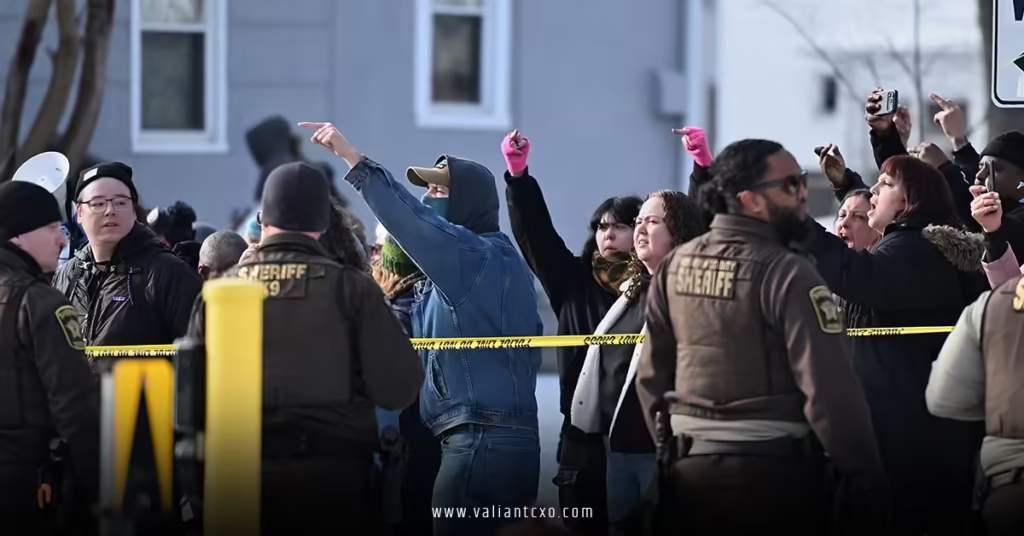
Protests erupted immediately. Thousands gathered for vigils, chanting Good’s name and clashing with agents using chemical irritants. Schools closed, businesses shuttered, and solidarity actions spread nationwide. How does one operation ignite such widespread outrage? It’s the human element—Good was described as compassionate, a mother simply “caring for neighbors.”
For deeper insight into this pivotal moment, read more about the renee nicole good ice shooting minneapolis 2026, which captures the heartbreak and conflicting stories at the core of the escalation.
Community Impact During Minneapolis Immigration Enforcement 2026
Immigrant families lived in terror—hotlines buzzed with reports of agents at doors, malls, and hospitals. Somali businesses suffered, and trust in law enforcement plummeted. Activists formed rapid-response networks, blowing whistles and blocking vehicles to protect neighbors.
On the flip side, DHS touted hundreds of arrests, framing them as removing “murderers and predators.” But critics argued the scale was disproportionate, more political theater than targeted justice.
Political Fallout from Minneapolis Immigration Enforcement 2026
Reactions were polarized. Trump defended agents, while Democrats like Senator Tina Smith and Rep. Ilhan Omar condemned the “terrorizing” of communities. Calls for investigations mounted, with some eyeing accountability for excessive force.
Locally, leaders like Frey and Walz urged calm but firmly opposed the surge. Walz prepared the National Guard, warning against provocation. The operation highlighted sanctuary policies under siege, with past lawsuits resurfacing.
Why does Minneapolis immigration enforcement 2026 feel like a battleground? It’s the intersection of federal power, local resistance, and real lives caught in between—like threads pulling a fabric apart.
Broader Implications of Minneapolis Immigration Enforcement 2026
This isn’t isolated. Similar surges hit other cities, but Minneapolis’s scale and tragedy set it apart. It raises questions: Does aggressive enforcement enhance safety, or sow division? Studies often show immigrants commit crimes at lower rates, yet rhetoric persists.
Moving forward, Minneapolis immigration enforcement 2026 could influence policy nationwide—potentially more oversight, or hardened stances.
Conclusion: Reflecting on Minneapolis Immigration Enforcement 2026
Minneapolis immigration enforcement 2026 exemplifies the high stakes of immigration policy in a divided nation. From the unprecedented agent surge targeting fraud allegations, to community resistance, and the tragic death of Renee Nicole Good, it’s a story of clashing visions for America. Key takeaways: the human cost of enforcement, conflicting narratives fueling distrust, and resilient communities standing together. As debates rage and investigations unfold, one thing’s clear—this chapter urges us to prioritize dialogue and humanity. What kind of society do we want to build? Actions in Minneapolis immigration enforcement 2026 challenge us to answer that.
FAQs
What triggered the Minneapolis immigration enforcement 2026 surge?
Allegations of welfare fraud in Somali communities, amplified by the Trump administration, led to the deployment of 2,000 agents starting January 6, 2026.
How many agents were involved in Minneapolis immigration enforcement 2026?
Approximately 2,000 federal agents from various DHS branches, marking what officials called the largest operation ever.
What role did sanctuary policies play in Minneapolis immigration enforcement 2026?
Minneapolis’s long-standing limits on local cooperation with ICE heightened tensions, as federal agents operated without coordination.
How did the community respond to Minneapolis immigration enforcement 2026?
With protests, vigils, rapid-response networks, and widespread fear, especially after the fatal shooting amid operations.
What broader issues does Minneapolis immigration enforcement 2026 raise?
Questions of force proportionality, federal-local relations, and the impact on immigrant communities versus claimed security gains.