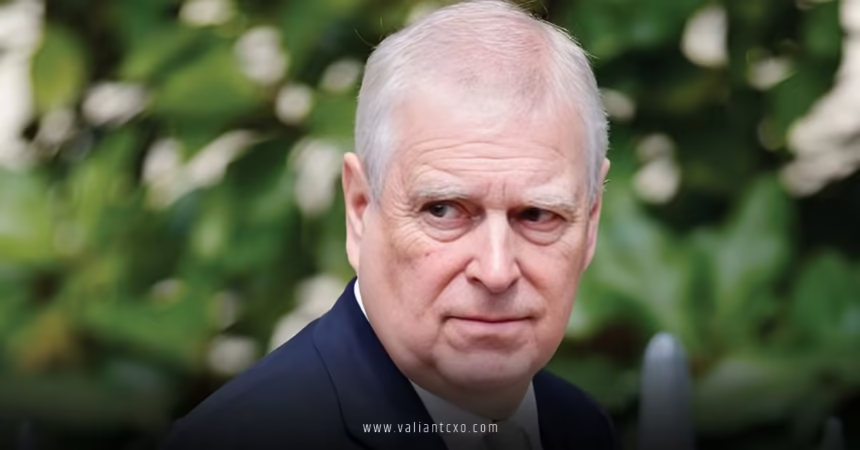
Andrew Mountbatten-Windsor Marsh Farm Sandringham renovations are making headlines as the former royal transitions to a quieter life on the historic Sandringham Estate. Have you ever wondered what happens when a life of palaces and privilege suddenly shifts to something far more modest? It’s like trading a sprawling castle for a cozy countryside retreat—except this retreat comes with a hefty dose of headlines, renovations, and royal family drama.
In recent months, Andrew Mountbatten-Windsor—once known as Prince Andrew, Duke of York—has undergone significant changes. Stripped of his royal titles and asked to leave his long-time home at Royal Lodge in Windsor, he’s now setting his sights on a new chapter. That chapter centers on Andrew Mountbatten-Windsor Marsh Farm Sandringham renovations, a project that’s turning a previously vacant farmhouse into a habitable residence. Funded privately by King Charles, these updates are transforming what was described as a rundown property into something suitable for its new occupant.
Who Is Andrew Mountbatten-Windsor and Why the Move?
Let’s start with a bit of background to understand the context. Andrew Mountbatten-Windsor, born in 1960 as the second son of Queen Elizabeth II and Prince Philip, had a life filled with military service, royal duties, and high-profile moments. He served in the Royal Navy during the Falklands War and later held the title Duke of York. But controversies, particularly his association with Jeffrey Epstein, led to public scrutiny and a step back from royal life.
By late 2025, King Charles III made decisive moves. Titles were removed, and Andrew was required to vacate Royal Lodge—a 30-room mansion he’d occupied for years. The decision wasn’t just logistical; it reflected a broader streamlining of royal residences and finances. Instead of staying in Windsor, Andrew relocated to the Sandringham Estate in Norfolk, a private property owned by the King. This estate, spanning thousands of acres, has long been a favorite royal retreat, especially during holidays.
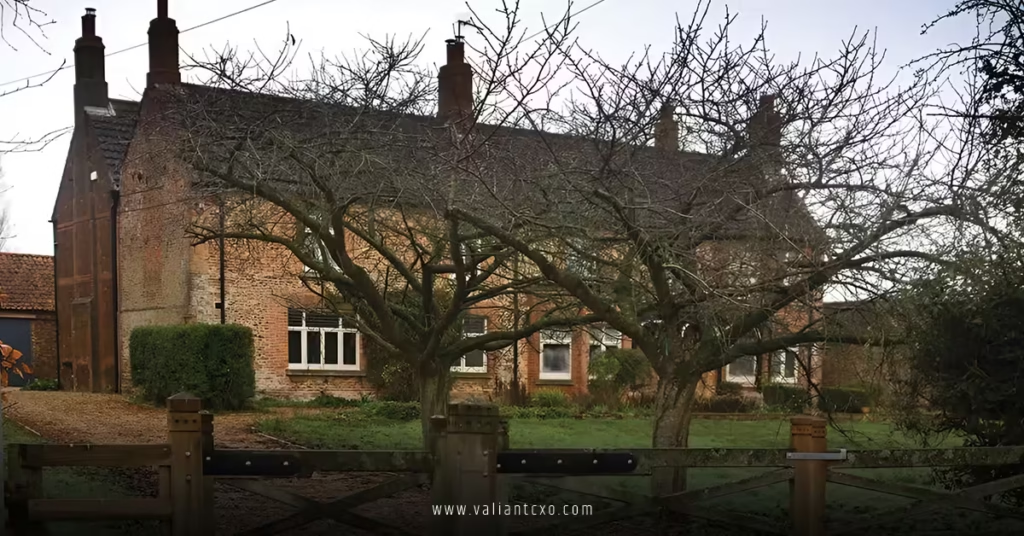
The chosen spot? Marsh Farm, a five-bedroom former farmhouse in the village of Wolferton, a few miles from Sandringham House. It’s a far cry from Royal Lodge’s grandeur—think red-brick charm with outbuildings, stables, and grounds that were once part of a working farm. Reports describe it as boggy and outdated, having stood empty for about a decade after its last tenant farmer passed away. That’s where Andrew Mountbatten-Windsor Marsh Farm Sandringham renovations come into play.
The Background of Marsh Farm on the Sandringham Estate
Sandringham Estate isn’t just any piece of land—it’s a private gem purchased by Queen Victoria for her son, the future Edward VII, in 1862. Over generations, monarchs have added their touches, from gardens to modern updates. King Charles has emphasized sustainability, introducing organic farming and biodiversity efforts.
Marsh Farm sits within this vast estate but feels worlds apart from the main house. It’s near Dersingham Bog Nature Reserve, offering peaceful, rural surroundings—perfect for someone seeking privacy but challenging due to its condition. Previously known in some old records as a variation of nearby properties (like Wood Farm, once called Marsh Farm historically), the current Marsh Farm is a standalone property with a main house featuring two reception rooms, a kitchen, and additional outbuildings.
Why here? It’s secluded yet secure, on family-owned land, and far from London’s spotlight. The estate’s no-fly zone adds an extra layer of privacy—no drones buzzing overhead. For Andrew Mountbatten-Windsor, this represents a fresh start, albeit one requiring serious work to make livable.
Details of Andrew Mountbatten-Windsor Marsh Farm Sandringham renovations
So, what’s actually happening with Andrew Mountbatten-Windsor Marsh Farm Sandringham renovations? Work kicked off around mid-January 2026, with crews spotted on-site despite winter weather. Sources indicate the property needed “a lot of attention” to become habitable—think extensive repairs after years of vacancy.
Key updates include:
- Security Enhancements: Six-foot wooden fences, CCTV systems, new doors, and lighting for safety and privacy.
- Interior Modernization: A new kitchen, potential decorative refreshes, and broadband installation for modern comforts.
- Pest and Grounds Management: Pest control visits (moles and rats are common in the marshy area due to the estate’s no-cats rule), plus addressing boggy land and garden issues.
- General Habitability: Weather hasn’t halted progress, but the focus is on making the interior functional and comfortable.
These renovations are funded privately by King Charles, as Sandringham is his personal estate—not taxpayer-funded like some Crown properties. Estimates suggest significant investment—potentially millions—to upgrade from “ramshackle” to respectable. Work vans, construction materials, and tradespeople have been visible, though details remain low-key.
Andrew initially moved to a temporary spot on the estate (reportedly Wood Farm, a cozy five-bedroom cottage once loved by Prince Philip) while renovations continue. The goal? Completion around Easter 2026, allowing a full move-in. This interim step avoided rushing and ensured the space meets needs.
Challenges and Controversies Surrounding the Renovations
No royal story is without twists, and Andrew Mountbatten-Windsor Marsh Farm Sandringham renovations are no exception. Reports suggest Andrew wasn’t thrilled—some call it a “tantrum” over size or conditions compared to his previous home. It’s a downgrade: from 30 rooms with staff to a modest farmhouse where he’ll reportedly live alone.
The boggy location raises practical questions—will drainage improve? Pest issues persist in rural Norfolk, especially without cats (a quirky estate ban to protect wildlife). Yet, the seclusion offers benefits: peace, nature, and distance from scrutiny.
Public interest remains high. Why fund renovations for someone in controversy? It’s family business on private land. Andrew has denied wrongdoing in past matters, maintaining a low profile. The move symbolizes a new phase—simpler, quieter, perhaps reflective.
Imagine downsizing from a mansion to a farmhouse. It’s like moving from a bustling city penthouse to a countryside cabin. Adjustments are huge, but they can bring unexpected peace.
What the Future Holds for Andrew at Marsh Farm
Once Andrew Mountbatten-Windsor Marsh Farm Sandringham renovations wrap up, what next? A quieter life in Norfolk—walks on the estate, time with family, away from headlines. The estate’s traditions, like Christmas gatherings (though he may skip some), continue nearby.
This relocation highlights royal family dynamics: duty, privacy, and adaptation. For Andrew, it’s a chance to rebuild personally.
In summary, Andrew Mountbatten-Windsor Marsh Farm Sandringham renovations mark a pivotal shift—from Windsor luxury to Norfolk simplicity. Funded by the King, these updates turn a vacant farmhouse into a private home, complete with security, modern amenities, and rural charm. While challenges exist, it’s a step toward stability. If you’re fascinated by royal residences or life changes, this story shows even palaces evolve. Keep an eye on developments—who knows what this new chapter brings?
For more on royal residences, check these high-authority sources:
- BBC News on Andrew’s move
- Official Sandringham Estate website
- People Magazine coverage of royal properties
FAQs About Andrew Mountbatten-Windsor Marsh Farm Sandringham renovations
What exactly are Andrew Mountbatten-Windsor Marsh Farm Sandringham renovations?
These are ongoing updates to Marsh Farm on the Sandringham Estate, including security installations like CCTV and fences, a new kitchen, pest control, and general repairs to make the former vacant farmhouse habitable for Andrew Mountbatten-Windsor.
Why is Andrew Mountbatten-Windsor moving to Marsh Farm after Andrew Mountbatten-Windsor Marsh Farm Sandringham renovations?
After leaving Royal Lodge in Windsor due to title changes and family decisions, Andrew relocated to the private Sandringham Estate for a quieter life. Marsh Farm, once renovated, offers seclusion and family proximity.
Who is paying for Andrew Mountbatten-Windsor Marsh Farm Sandringham renovations?
King Charles is funding the work privately, as Sandringham Estate is his personal property, not a Crown asset supported by taxpayers.
When will Andrew Mountbatten-Windsor Marsh Farm Sandringham renovations be finished?
Reports point to completion around Easter 2026, after starting in mid-January. Andrew has been in temporary accommodation on the estate meanwhile.
Is Marsh Farm really as modest as reports say in relation to Andrew Mountbatten-Windsor Marsh Farm Sandringham renovations?
Yes—it’s a five-bedroom former farmhouse with outbuildings, much smaller than Royal Lodge. Renovations aim to modernize it, but it remains a significant downsize for privacy and simplicity.