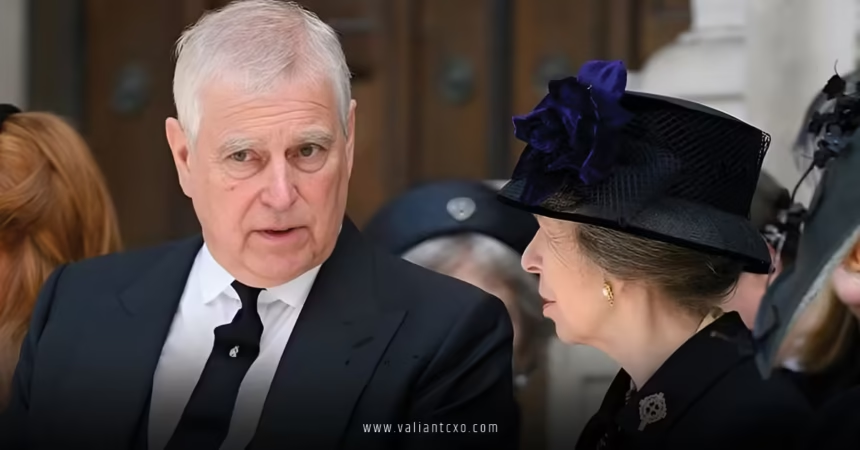
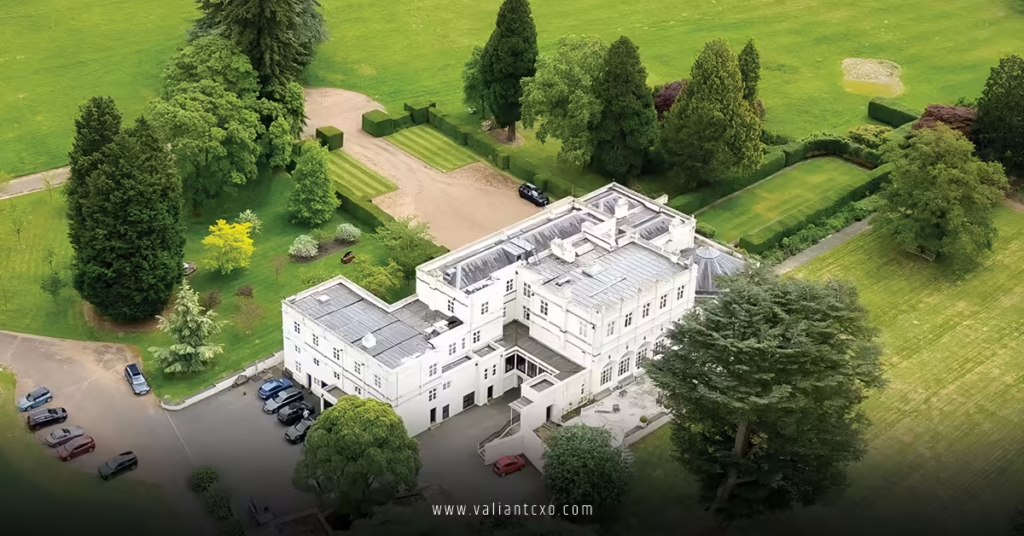
Royal Lodge eviction Andrew Mountbatten-Windsor has become one of the most talked-about royal stories of recent times. Picture this: a once-high-profile prince, living in a grand 30-room mansion for over two decades, suddenly facing an abrupt exit ordered by his own brother, the King. It’s dramatic, it’s personal, and it’s unfolding right now in early 2026.
The saga kicked off in late 2025 when King Charles III made a decisive move. He stripped Andrew Mountbatten-Windsor (formerly known as Prince Andrew, Duke of York) of his remaining royal titles and honors. Along with that came the formal notice to surrender the lease on Royal Lodge, the sprawling Windsor residence he’d called home since 2003. This wasn’t just about real estate—it symbolized a broader effort to streamline royal life, cut costs, and distance the monarchy from ongoing controversies.
Why Did the Royal Lodge Eviction Happen?
Let’s break it down. Andrew’s public troubles trace back years, particularly his association with the late Jeffrey Epstein. Despite repeated denials of wrongdoing, the fallout intensified with renewed scrutiny in 2025, including fresh document releases and allegations. King Charles, focused on a leaner, more modern monarchy, took unprecedented steps.
In October 2025, Buckingham Palace confirmed the title removal and lease surrender. Royal Lodge, a Crown Estate property on Windsor Great Park, came with hefty upkeep costs—reports often cite millions annually in maintenance. Andrew had invested personally in upgrades, but the Crown pushed back on compensation claims. The eviction notice required a 12-month minimum period, technically allowing him to stay until October 2026, but pressure mounted for a quicker departure.
By January 2026, things accelerated. Removal vans appeared at Royal Lodge, signaling the start of packing. Sources described Andrew as resistant at first—some called it digging in his heels—but reality set in. He officially vacated the property on February 2, 2026, under cover of night in some accounts, marking the end of an era.
The Downsizing Reality: From Mansion to Modest Living
Royal Lodge eviction Andrew Mountbatten-Windsor meant trading luxury for something far simpler. The 30-room mansion boasted extensive grounds, staff quarters, and historic charm. Now? He’s relocated to the King’s private Sandringham Estate in Norfolk.
First stop: temporary housing at Wood Farm, a cozy five-bedroom cottage once favored by Prince Philip for its peaceful vibe. It’s a step down—smaller, more low-key—but it provides breathing room while permanent arrangements finalize.
The long-term plan centers on Marsh Farm, another property on the estate. This five-bedroom former farmhouse has sat vacant for years, described in reports as ramshackle, boggy, and in need of serious attention. Renovations are underway to make it habitable, including security upgrades like tall fences and CCTV, a new kitchen, interior refreshes, and pest management (rats and moles are common in the marshy area, thanks to an estate-wide no-cats rule protecting wildlife).
These Andrew Mountbatten-Windsor Marsh Farm Sandringham renovations are privately funded by King Charles, as Sandringham is a personal family holding, not a taxpayer-supported Crown asset. Work continues despite winter weather, with completion eyed for spring 2026. Until then, Andrew shuttles between temporary spots and occasional Windsor visits to collect belongings.
Challenges and Family Dynamics in the Eviction
This isn’t smooth sailing. Andrew reportedly wasn’t thrilled about the downgrade—going from a grand mansion to a modest farmhouse feels like a culture shock. Some insiders hint at frustration over size, location, and conditions. Sarah Ferguson, his ex-wife who shared the home, faced her own relocation pressures, exploring options in Windsor or abroad.
The family angle adds layers. King Charles’ decision reflects tough love—prioritizing the institution over personal ties. Experts note it’s vindicated by ongoing scrutiny. Yet, sibling bonds linger; Princess Anne reportedly feels torn. The move distances Andrew from Windsor life while keeping him on family land, secure and private.
Think of it like corporate restructuring: the monarchy shedding excess properties to focus on core duties. Royal Lodge eviction Andrew Mountbatten-Windsor fits that pattern—practical, if painful.
What Happens Next After the Royal Lodge Eviction?
With the eviction complete, Andrew’s chapter shifts to Norfolk. Seclusion offers privacy: the estate’s no-fly zone, vast grounds, and rural setting shield him from media glare. He’ll likely lead a quieter existence—walks, family visits, reflection.
This relocation underscores broader royal changes. Properties like Royal Lodge may find new uses, perhaps for working royals or rentals. For Andrew, it’s adaptation time—leaving behind privilege for simplicity.
The story captivates because it’s human: family rifts, public scrutiny, reinvention. Royal Lodge eviction Andrew Mountbatten-Windsor marks a turning point, paving the way for his next phase on the Sandringham Estate.
In wrapping up, the Royal Lodge eviction Andrew Mountbatten-Windsor represents more than a house move—it’s a symbol of accountability, family boundaries, and royal evolution. From Windsor grandeur to Norfolk quiet, Andrew navigates change amid headlines. As renovations progress at his future home, one thing’s clear: this chapter closes one door and opens another. Curious about royal residences? Stay tuned—the monarchy’s story keeps unfolding.
For deeper insights into royal properties:
FAQs About Royal Lodge Eviction Andrew Mountbatten-Windsor
What triggered the Royal Lodge eviction Andrew Mountbatten-Windsor?
King Charles stripped Andrew of titles in October 2025 amid renewed Epstein-related scrutiny and ordered the lease surrender on Royal Lodge, citing cost efficiencies and royal streamlining.
When did Andrew officially leave Royal Lodge in the eviction process?
Andrew Mountbatten-Windsor vacated Royal Lodge on February 2, 2026, after months of transition, with removal vans spotted earlier in January.
Where has Andrew moved after the Royal Lodge eviction Andrew Mountbatten-Windsor?
He relocated temporarily to Wood Farm on the Sandringham Estate, with plans to settle at Marsh Farm once renovations finish.
Who funds the new home after Royal Lodge eviction Andrew Mountbatten-Windsor?
King Charles privately funds Marsh Farm updates, as Sandringham is his personal estate, not Crown property.
How does the Royal Lodge eviction Andrew Mountbatten-Windsor connect to Marsh Farm renovations?
The eviction necessitated relocation to Sandringham, where Marsh Farm is being renovated for Andrew’s permanent use—security, interiors, and habitability upgrades are key.