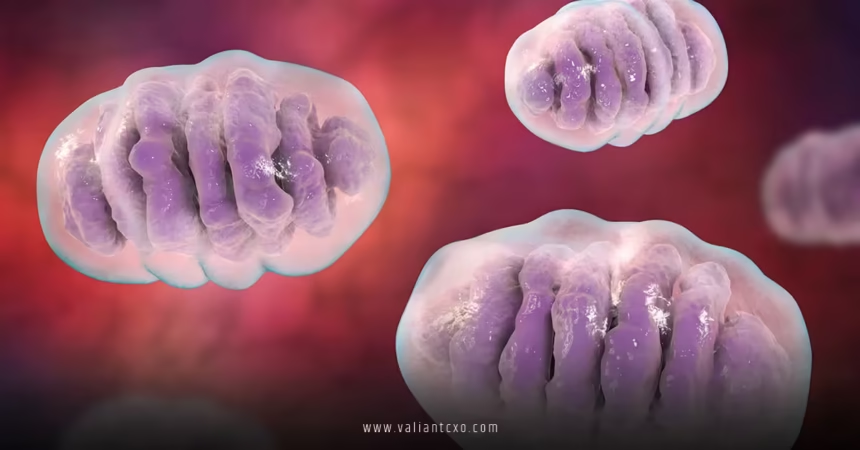
Mitochondrial dysfunction and chronic disease are increasingly linked in modern health discussions, with experts pointing to impaired cellular energy production as a central driver of widespread issues like obesity, diabetes, heart disease, and neurodegeneration. Imagine your cells as bustling cities powered by tiny energy plants called mitochondria—if these plants start failing, the entire city grinds to a halt, leading to fatigue, inflammation, and eventually full-blown chronic conditions. This isn’t just theory; research shows mitochondrial problems appear early in many noncommunicable diseases, making them a potential common thread.
Dr. Casey Means, in her influential work including the book Good Energy, emphasizes that mitochondrial dysfunction lies at the heart of metabolic issues fueling chronic illness. For deeper insights into practical steps, explore Casey Means metabolic health recommendations 2026, which build on protecting these cellular powerhouses through lifestyle changes.
What Exactly Is Mitochondrial Dysfunction?
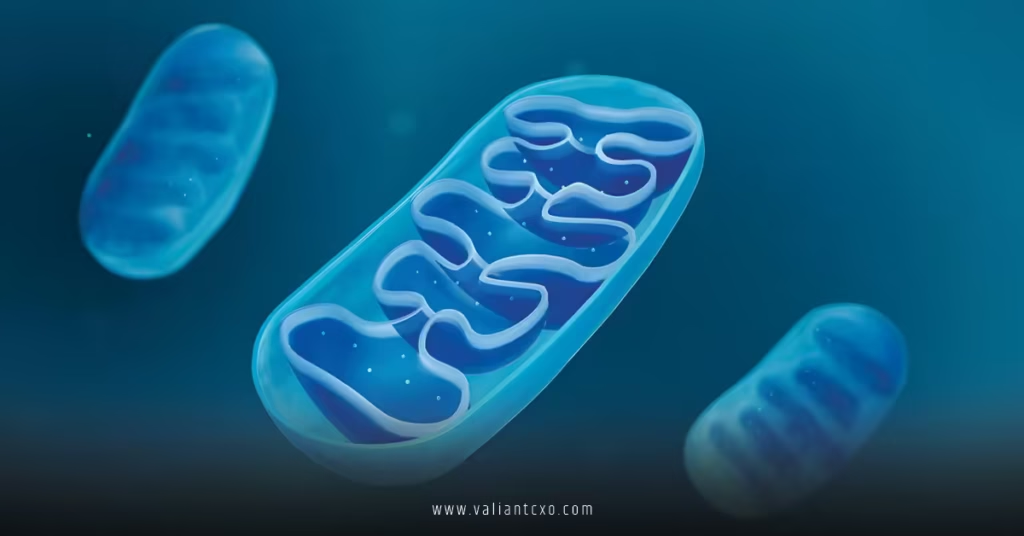
Mitochondria are the powerhouses of your cells, responsible for turning food and oxygen into ATP—the energy currency that keeps everything running. When they dysfunction, efficiency drops: the electron transport chain falters, ATP production slows, and harmful byproducts like reactive oxygen species (ROS) build up.
This creates a vicious cycle. Excess ROS causes oxidative stress, damaging mitochondrial DNA (mtDNA), membranes, and proteins. Damaged mitochondria then release signals—think of them as distress calls—that trigger inflammation and impair other cell functions. Over time, this leads to “underpowered cells,” as some describe it, where organs struggle because their building blocks can’t generate enough energy.
Unlike rare primary mitochondrial disorders (genetic defects present from birth), most cases involve secondary dysfunction triggered by lifestyle, environment, or aging. Factors like poor diet, sedentary behavior, chronic stress, toxins, and even certain medications overload or damage these organelles.
How Mitochondrial Dysfunction Contributes to Chronic Disease
The connection between mitochondrial dysfunction and chronic disease is profound because mitochondria influence nearly every process: energy supply, calcium signaling, cell death regulation, and immune responses. When they falter, the fallout spreads.
Metabolic Disorders Like Obesity and Type 2 Diabetes
In obesity and insulin resistance, mitochondria often show reduced capacity to burn fats and process glucose. This leads to fat buildup in cells (lipotoxicity), further impairing function. Studies indicate that mitochondrial issues appear early in these conditions, creating a feedback loop where poor energy handling worsens weight gain and blood sugar control.
Think of it like a clogged engine: too much fuel (calories from ultra-processed foods) without proper burning leads to backups and breakdowns. Insulin resistance emerges as cells resist glucose uptake, partly because mitochondria can’t handle the load efficiently.
Cardiovascular Disease and Heart Failure
Heart muscle relies heavily on mitochondria for constant energy demands. Dysfunction here means reduced contractility, increased oxidative damage to blood vessels, and higher inflammation. Research links impaired mitochondrial dynamics (fission/fusion imbalance) to atherosclerosis and heart failure progression.
Neurodegenerative Conditions: Alzheimer’s, Parkinson’s, and More
Brain cells are energy hogs, so mitochondrial problems hit hard. In Alzheimer’s, dysfunctional mitochondria contribute to amyloid plaque buildup and neuron death. Parkinson’s often involves mtDNA damage and impaired mitophagy (clearing bad mitochondria), leading to dopamine neuron loss.
Aging itself accelerates this—cumulative mtDNA mutations reduce efficiency, explaining why neurodegenerative risks rise with age.
Cancer, Autoimmunity, and Other Links
Cancer cells frequently reprogram mitochondria to favor quick energy (Warburg effect), but initial dysfunction may promote tumor growth via ROS signaling. In autoimmune diseases, damaged mitochondria release mtDNA fragments acting as danger signals, fueling chronic inflammation.
Across the board, mitochondrial dysfunction creates low-grade inflammation and oxidative stress—hallmarks of chronic disease.
Common Causes of Mitochondrial Dysfunction in Modern Life
Why is this so prevalent now? Modern environments assault mitochondria relentlessly.
- Ultra-processed foods high in refined sugars, seed oils, and additives spike glucose and inflammation, overwhelming mitochondria.
- Sedentary lifestyles reduce mitochondrial biogenesis (new mitochondria creation).
- Chronic stress and poor sleep elevate cortisol, disrupting energy production.
- Environmental toxins (plastics, pollutants, pesticides) directly damage mtDNA.
- Overnutrition floods cells with substrates they can’t process efficiently.
Aging compounds these, as natural mtDNA mutations accumulate.
Signs and Symptoms You Might Notice
Early mitochondrial issues often manifest subtly:
- Persistent fatigue despite rest
- Brain fog or poor focus
- Muscle weakness or exercise intolerance
- Unexplained weight changes
- Mood swings, anxiety, or depression
These are “bad energy” signals—your cells struggling. If ignored, they progress to diagnosable chronic conditions.
Strategies to Support Mitochondrial Health and Combat Dysfunction
The good news? Mitochondria respond to positive changes. Lifestyle tweaks can boost biogenesis, improve efficiency, and reduce damage.
- Nutrition: Prioritize whole foods—vegetables, quality proteins, healthy fats (avocados, olive oil, nuts). Intermittent fasting or time-restricted eating promotes mitophagy. Antioxidants from berries, greens, and spices combat ROS.
- Exercise: Resistance training and HIIT stimulate new mitochondria. Even daily walks help.
- Sleep and stress management: Aim for 7-9 hours; practices like meditation lower cortisol.
- Cold/heat exposure: Saunas or cold showers enhance resilience.
- Avoid toxins: Filter water, choose natural products, minimize plastics.
Tracking biomarkers like fasting glucose, triglycerides, hs-CRP, or even advanced tests (fasting insulin, uric acid) reveals progress.
For a comprehensive framework tying these ideas together, refer to Casey Means metabolic health recommendations 2026, focusing on real-food eating, movement, and glucose awareness to restore mitochondrial function.
The Bigger Picture: Prevention Over Cure
Mitochondrial dysfunction isn’t the sole cause of chronic disease, but it’s a major converging factor. By addressing it early through daily habits, we shift from reactive medicine to proactive vitality. Small, consistent changes compound—your cells thank you with more energy, sharper thinking, and lower disease risk.
Science continues evolving, with emerging therapies targeting mitochondria directly. Until then, lifestyle remains the most powerful tool.
In summary
understanding mitochondrial dysfunction and chronic disease empowers you to take control. Protect your cellular powerhouses, and you protect your future health. Start today—one walk, one real meal at a time—and watch the difference unfold.
FAQs
What is the main link between mitochondrial dysfunction and chronic disease?
Mitochondrial dysfunction impairs ATP production and increases oxidative stress/inflammation, serving as a common root in conditions like diabetes, heart disease, neurodegeneration, and obesity.
How does mitochondrial dysfunction lead to metabolic problems?
It reduces efficient energy processing from glucose and fats, leading to insulin resistance, fat accumulation, and blood sugar instability—key drivers of type 2 diabetes and obesity.
Can lifestyle changes reverse mitochondrial dysfunction?
Yes—exercise, nutrient-dense foods, sleep, and stress reduction promote biogenesis, mitophagy, and reduced damage, often improving function significantly.
Why is mitochondrial dysfunction more common today?
Modern diets (ultra-processed foods), inactivity, toxins, stress, and poor sleep overload and damage mitochondria, unlike ancestral patterns that supported better function.
How does this connect to Casey Means’ work?
Dr. Casey Means highlights mitochondrial dysfunction as central to metabolic issues; her Casey Means metabolic health recommendations 2026 offer actionable steps like whole foods and glucose monitoring to restore “good energy.”