How to host a successful rec room party starts with understanding that your basement, garage, or dedicated game space can become the ultimate entertainment hub for friends and family. The key lies in creating an atmosphere where everyone feels comfortable, engaged, and genuinely excited to be there.
Quick Overview:
- Transform your rec room into a welcoming, functional party space with proper lighting and seating
- Plan 3-4 core activities that accommodate different interests and energy levels
- Provide easy-to-eat snacks and accessible beverages throughout the space
- Create designated zones for different activities to prevent overcrowding
- Prepare backup entertainment options for when energy shifts
Your rec room party doesn’t need to compete with expensive venues or elaborate events. It just needs to feel intentional, comfortable, and fun.
Why Rec Room Parties Work So Well
There’s something magical about casual basement gatherings. No pressure. No pretense. Just good people, good games, and good times.
The beauty of rec room entertaining lies in its flexibility. Unlike formal dinner parties or outdoor events that depend on weather and timing, your rec room gives you complete control over the environment. You set the vibe, manage the noise level, and create exactly the experience you want.
Plus, there’s an inherent nostalgia factor. Most adults remember fondly those basement hangouts from their younger years—the freedom, the laughter, the sense of being part of something special.
Essential Planning: The Foundation Phase
Space Assessment and Setup
Walk through your rec room with fresh eyes. What works? What doesn’t?
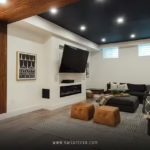
Lighting makes or breaks the mood. Harsh overhead fluorescents kill the vibe instantly. Instead, layer your lighting: table lamps, string lights, maybe even some colored bulbs if you’re feeling adventurous. You want enough light for activities but soft enough to feel relaxed.
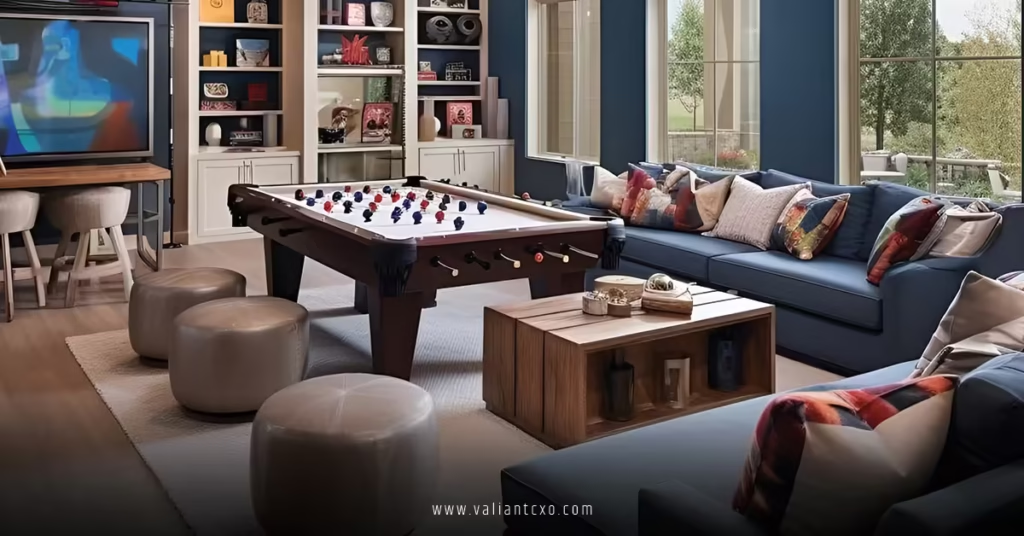
Seating strategy matters more than you think. Mix comfortable chairs, couches, and even floor cushions. People need options—some like to sprawl, others prefer structured seating. Create natural conversation clusters by angling furniture toward each other.
Temperature control is non-negotiable. Rec rooms can get stuffy quickly with multiple people. Test your ventilation beforehand. A small fan or two can make a huge difference.
Guest List Considerations
Here’s the thing about rec room parties: intimacy beats quantity every time. Eight to twelve people typically works better than trying to pack twenty-five into a space that wasn’t designed for it.
Consider your guest mix carefully. You want people who’ll participate without needing constant entertainment direction. Mix outgoing personalities with quieter folks—both contribute to great party dynamics.
Send invitations 7-10 days ahead. Include the casual dress code and mention 2-3 activities you’re planning. This helps guests arrive with the right expectations.
Activity Planning: The Heart of Your Party
Core Entertainment Options
Game Selection Strategy:
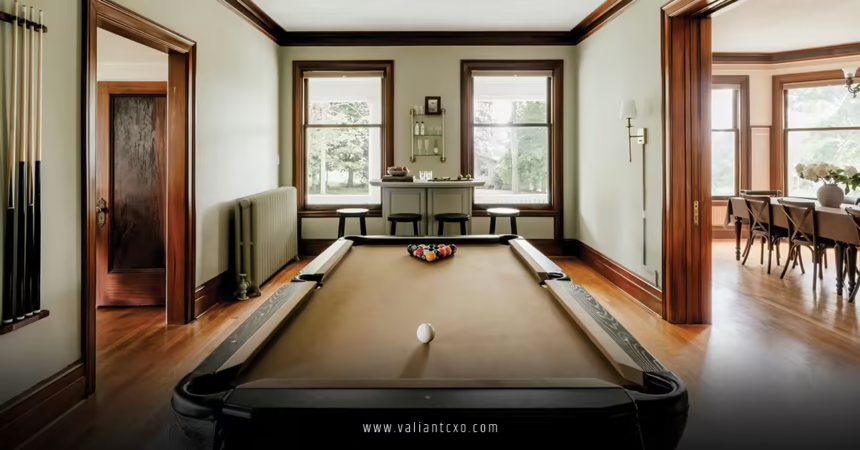
- Choose 1 competitive game that gets people moving (ping pong, foosball, darts)
- Include 1-2 group games that accommodate varying skill levels (charades, trivia, card games)
- Have 1 background activity for mingling moments (music playlist, photo slideshow)
- Keep 1 quiet option available (board games, puzzle corner)
The key is variety without overwhelming choice. Too many options create decision paralysis.
Tournament Format Magic: Nothing energizes a group like friendly competition. Set up a simple bracket for ping pong or pool. Winners advance, but make sure everyone stays engaged by rotating in as scorekeepers or cheerleaders.
Activity Zone Creation
| Zone Type | Purpose | Equipment Needed | Space Required |
|---|---|---|---|
| Active Gaming | High-energy competition | Ping pong table, darts, foosball | 8×10 feet minimum |
| Casual Gaming | Flexible group activities | Card table, board games | 6×6 feet |
| Conversation | Relaxed socializing | Comfortable seating, low table | 10×8 feet |
| Refreshment | Food and drinks | Table, cooler, trash bin | 4×6 feet |
Think of your rec room like a well-designed restaurant—each area serves a specific purpose, but the flow between them feels natural.
Food and Beverage Strategy
The Finger Food Philosophy
Rec room parties call for foods that don’t require plates, forks, or significant cleanup. Think pickup-friendly options that won’t interfere with gaming.
Winners every time:
- Mini sandwiches or sliders (easy to grab, satisfying)
- Veggie tray with hummus (healthy option that doesn’t spoil)
- Mixed nuts and pretzels (constant snacking fuel)
- Cheese and crackers (feels more elevated than basic chips)
- Chocolate or candy for energy boosts
Avoid anything messy, drippy, or requiring utensils. Your guests will thank you when they’re not juggling food and game controllers.
Beverage Station Setup
Create a dedicated drink station away from gaming areas. Stock it with:
- Water (always available, always cold)
- 2-3 soda varieties
- Beer if appropriate for your crowd
- Coffee for longer gatherings
Pro move: Set up a small cooler so you’re not constantly running upstairs for refills. According to the Centers for Disease Control and Prevention, providing water and low-calorie options helps guests stay comfortable and hydrated throughout longer social gatherings.
Creating the Perfect Atmosphere
Music and Sound Management
Your playlist sets the emotional backdrop for everything else. Start with upbeat but not overwhelming music during arrival. Adjust volume so conversation flows naturally—people shouldn’t have to raise their voices.
Create 2-3 different playlists for different energy moments:
- Arrival mix: Familiar, upbeat songs that get people comfortable
- Gaming soundtrack: Higher energy for competitive moments
- Wind-down collection: Mellower tunes for conversation periods
Volume rule: If you can’t easily talk to someone three feet away, turn it down.
Lighting and Ambiance
The goal is “basement cool,” not “interrogation room.” Warm, indirect lighting creates the perfect rec room vibe. String lights aren’t just trendy—they actually solve the harsh lighting problem most basements have.
Consider these lighting layers:
- Overhead dimmed to 60-70%
- Table lamps in conversation areas
- Accent lighting (string lights, colored bulbs) for personality
- Task lighting over game tables
Step-by-Step Action Plan
Two Weeks Before
- Assess and clean your rec room space thoroughly
- Create guest list and send invitations
- Plan your activity lineup and gather necessary equipment
One Week Before
- Confirm attendance numbers and adjust food planning
- Test all games and equipment to ensure everything works
- Create your music playlists
- Shop for non-perishable snacks and beverages
Day Before
- Prepare make-ahead food items
- Set up activity zones and arrange furniture
- Test lighting and sound systems
- Create a simple timeline for the evening
Day Of
- Final food prep (2-3 hours before)
- Set up beverage station and snack areas
- Do final space check and minor adjustments
- Start background music 30 minutes before first guests arrive
Common Mistakes and How to Avoid Them
Mistake #1: Over-planning every minute Fix: Plan 3-4 solid activities, then let the group’s energy guide transitions. The best rec room parties have organic flow.
Mistake #2: Inadequate seating options Fix: Provide 1.5x more seating than your guest count. People like options, and some prefer floor seating during games.
Mistake #3: Ignoring temperature and ventilation Fix: Open windows slightly, run a fan, or adjust your thermostat down 2-3 degrees before guests arrive.
Mistake #4: Complex food that requires constant attention Fix: Choose items you can prep ahead and set out buffet-style. You should be hosting, not cooking during the party.
Mistake #5: Not having backup plans Fix: Keep 2-3 alternative activities ready in case your planned games don’t land with the group.
Timing and Flow Management
Most successful rec room parties run 3-4 hours. Start early enough that people aren’t rushed, but don’t drag into late night unless that’s explicitly the plan.
Ideal timeline:
- First hour: Arrival, mingling, easy activities
- Second hour: Main group activities, competitive games
- Third hour: Peak energy, tournaments, major activities
- Fourth hour: Wind-down, casual conversation, departure flexibility
Watch your group’s energy. When competitive games start feeling forced, transition to more casual activities. When conversations become more important than activities, let that happen naturally.
The American Psychological Association notes that successful social gatherings typically peak around the 2.5-3 hour mark, then gradually wind down as people naturally shift toward departure.
Managing Different Personality Types
Your guest list probably includes introverts, extroverts, competitive types, and casual participants. Great rec room party hosting means creating space for everyone.
For competitive guests: Provide clear game rules and fair tournament structures. These folks energize the room when channeled properly.
For quieter participants: Ensure conversation areas exist where people can engage without being the center of attention.
For social butterflies: Give them roles like scorekeeping or music management. They’ll help draw others into activities.
For casual participants: Don’t pressure anyone into competitive games. Sometimes the best party contribution is enthusiastic cheerleading.
Key Takeaways
- Successful rec room parties prioritize comfort and flexibility over elaborate planning
- Create distinct activity zones but maintain natural flow between them
- Choose finger foods and self-serve beverages to minimize hosting duties
- Layer your lighting to create warm, welcoming ambiance
- Plan 3-4 core activities but let group energy guide transitions
- Prepare backup entertainment options for energy shifts
- Focus on 8-12 guests for optimal space and interaction dynamics
- Test all equipment beforehand to avoid mid-party technical difficulties
Advanced Tips for Seasoned Hosts
Once you’ve mastered the basics of how to host a successful rec room party, consider these next-level strategies:
Theme integration: Subtle themes work better than obvious ones. Maybe it’s “retro gaming night” or “championship tournament series”—something that guides activity choice without requiring costumes.
Seasonal adaptations: Winter rec room parties can embrace cozy elements like hot chocolate stations. Summer versions might include cold brew coffee or frozen treat options.
Photo opportunities: Set up one corner with good lighting and fun props. Don’t make it mandatory, but give people chances to capture memories if they want.
Departure grace: The mark of a truly successful party is when people don’t want to leave but also don’t feel awkward about staying. Create natural ending points by mentioning “last round” or “final game” about 30 minutes before your ideal wrap-up time.
According to research from the National Institute of Mental Health, regular social gatherings in comfortable, low-pressure environments contribute significantly to overall well-being and stress reduction.
Conclusion
How to host a successful rec room party comes down to thoughtful preparation combined with relaxed execution. Your basement or game room already has natural advantages—casual atmosphere, controlled environment, and built-in entertainment options. The key is enhancing these strengths without overcomplicating the experience.
Focus on creating comfort for your guests, variety in activities, and flexibility in timing. When people feel welcome and engaged, everything else falls into place naturally.
Start planning your next rec room gathering. Your friends are probably ready for exactly this kind of authentic, low-pressure fun.
Frequently Asked Questions
Q: How many people should I invite when learning how to host a successful rec room party?
A: Eight to twelve guests works best for most rec room spaces. This size allows for group activities while maintaining comfortable conversation and movement flow.
Q: What if my rec room is small—can I still host a great party?
A: Absolutely. Smaller spaces often create more intimate, memorable gatherings. Focus on 2-3 core activities instead of trying to accommodate everything, and consider standing-room games like charades or trivia.
Q: Should I provide all the food and drinks, or ask guests to bring items?
A: For your first few rec room parties, provide everything to maintain control over timing and quality. As you become more experienced, potluck elements can work well for regular friend groups.
Q: How do I handle guests who don’t want to participate in games?
A: Always create comfortable conversation areas where non-participants can socialize without feeling excluded. Some people prefer to watch and cheer rather than compete directly.
Q: What’s the best way to end a rec room party without being rude?
A: Give gentle time cues about 30 minutes before your ideal end time: “Should we do one final tournament round?” or “Last call for snacks!” Most guests will take the hint gracefully.