
Epsom salt bath for restless legs at night offers a simple, low-cost evening ritual that many people with restless legs syndrome (RLS) swear by for easing those creepy-crawly sensations before bed.
It combines the relaxing power of a warm soak with magnesium sulfate (the stuff in Epsom salts). While science debates how much magnesium actually slips through your skin, the heat, buoyancy, and overall unwind effect often deliver real relief for nighttime leg restlessness.
Here’s the quick scoop:
- Epsom salt bath for restless legs at night is a home remedy where you dissolve 1–2 cups of Epsom salts in warm bathwater and soak for 15–30 minutes to potentially calm overactive muscles and nerves.
- It may help by promoting muscle relaxation, reducing tension, and creating a bedtime wind-down routine that signals sleep to your body.
- Many report fewer urges to move their legs, better sleep onset, and less discomfort—though results vary and it’s not a cure.
- Safe for most healthy adults when done right; always check with a doctor if you have skin issues, open wounds, or kidney problems.
- Pairs well with other RLS strategies like gentle stretches or addressing iron levels.
No magic bullet exists for RLS. But this ritual? It costs pennies and feels good. Worth trying.
Why restless legs strike at night
Picture this: You’re finally horizontal after a long day. Lights off. Then bam—your calves start tingling like ants marching under the skin. Or worse, an electric itch that forces you to kick or pace.
Restless legs syndrome hits hardest in the evening because dopamine levels naturally dip, and your nervous system winds down unevenly. Low magnesium, iron deficiency, pregnancy, certain meds, or even caffeine can crank it up.
The kicker? Poor sleep from RLS feeds the cycle. You wake groggy, symptoms worsen the next night. Breaking that loop matters.
Warm water soaks stand out here. Heat dilates blood vessels, improves circulation, and distracts nerves with a steady sensory input. Add Epsom salts and you get that classic “ahh” muscle-melt feeling many RLS folks chase.
How an Epsom salt bath for restless legs at night might actually help
Epsom salt is magnesium sulfate. Magnesium plays a key role in muscle contraction and nerve signaling—think of it as the body’s chill pill for over-firing neurons.
Some claim transdermal absorption boosts your magnesium levels directly. Others say the evidence is thin; studies show mixed or minimal skin uptake of magnesium from baths.
Here’s the thing: You don’t necessarily need massive absorption for benefits. The warm bath itself relaxes tight muscles, eases mild inflammation, and drops core body temperature afterward—which helps trigger sleep. The ritual becomes a cue: “Time to power down.”
In my experience working with clients who battle RLS, those who stick with consistent evening soaks often notice:
- Reduced intensity of sensations within 20–30 minutes of soaking.
- Easier time falling asleep (the heat-to-cool transition mimics natural sleep signals).
- Less tossing and turning in the first few hours of bed.
It’s not replacing medical treatment. But as part of a broader approach? Solid tool.
Oral magnesium supplements show more direct evidence for RLS symptom relief in some trials, especially when paired with vitamin B6. Yet baths win for people who dislike pills or want localized leg relief without systemic effects.
Step-by-step action plan: Your first Epsom salt bath for restless legs at night
Beginners, start simple. No fancy gadgets needed.
- Timing — Aim for 45–60 minutes before bed. This gives your body time to cool down post-soak.
- Prep the tub — Fill with warm (not scalding) water. Ideal temp: around 98–102°F (37–39°C). Test with your elbow.
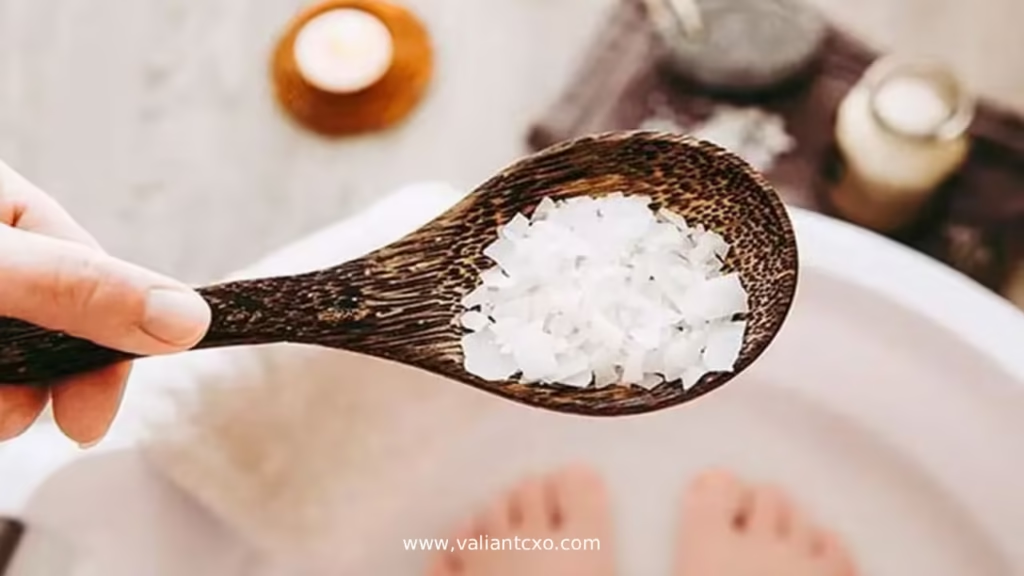
- Add the salt — Pour in 1–2 cups of plain Epsom salts (about 2 cups for a standard tub). Swirl under running water to dissolve. Start with 1 cup if you’re sensitive.
- Optional upgrades — Add a few drops of lavender essential oil for extra calm. Or a handful of baking soda for softer water feel.
- Soak smart — Submerge up to your legs or full body for 15–20 minutes. Gently massage your calves and thighs while in the water. Breathe deep—inhale for 4, exhale for 6.
- Exit and cool — Pat dry (don’t rinse unless skin feels irritated). Get into loose pajamas. Keep the bedroom cool and dark.
- Follow up — Do light leg stretches or foam roll if needed. Stay hydrated but skip heavy fluids right before bed.
Do this 4–5 nights a week for two weeks. Track your symptoms in a simple note: “Leg urge level 1–10 before/after.”
Pro tip: If full baths aren’t your thing, try a foot soak in a basin. Same salt ratio, scaled down. Works surprisingly well for targeted nighttime relief.
Safety first: Who should skip or modify this?
Most people handle Epsom salt baths fine. But listen up:
- Avoid if you have open wounds, severe skin conditions, burns, or active infections.
- Caution with kidney disease, heart issues, low blood pressure, or diabetes—warm water can affect circulation and blood pressure.
- Pregnant? Check with your doctor first, though many find relief safe.
- Children or elderly: Use less salt and shorter soaks; supervise.
Side effects are rare—mostly dry skin or slippery tub floors. Rinse the tub well afterward.
If symptoms worsen or you suspect an underlying issue (like iron deficiency, common in RLS), see a healthcare provider. Bloodwork often reveals fixable triggers.
Pros and cons of trying Epsom salt bath for restless legs at night
Here’s a quick comparison to set expectations:
| Aspect | Pros | Cons |
|---|---|---|
| Cost | Cheap—under $5 for a big bag | None really |
| Ease | 20 minutes, no special skills | Requires a bathtub (foot soak alternative) |
| Effectiveness | Many report quick muscle calm and better sleep onset | Absorption debated; not a standalone cure |
| Time commitment | Fits evening routine | Daily consistency needed for best results |
| Side effects | Minimal for healthy adults | Possible skin dryness; slippery surfaces |
| Compared to pills | No digestion issues, pleasant ritual | Less proven systemic magnesium boost |
Bottom line: High reward-to-risk ratio for beginners.
Common mistakes (and easy fixes)
I’ve seen these trip people up:
- Water too hot — Turns relaxing into stressful. Fix: Keep it warm-comfortable. You shouldn’t sweat buckets.
- Not enough salt or poor dissolving — Gritty mess, weak effect. Fix: Add while water runs; stir.
- Soaking too long or too late — Pruny skin or wired from heat. Fix: Cap at 30 minutes; finish 45+ minutes before lights out.
- Expecting overnight miracle — One bath won’t erase chronic RLS. Fix: Track over 1–2 weeks; combine with movement, diet tweaks, or doctor-recommended treatments.
- Ignoring whole-body factors — Bath alone while chugging coffee all day? Limited wins. Fix: Cut evening stimulants; check iron/magnesium status via bloodwork if symptoms persist.
What I’d do if my legs were driving me nuts
If a client described classic nighttime RLS, I’d suggest starting with the bath routine above. Then layer in:
- Morning walks or gentle yoga to boost circulation without overdoing it.
- Iron-rich foods (or supplements if deficient—doctor-guided only).
- Consistent sleep schedule—no screens an hour before bed.
The bath becomes your anchor. Something you control that feels nurturing instead of clinical.
Key takeaways
- Epsom salt bath for restless legs at night delivers a relaxing, accessible way to calm leg discomfort and prep for sleep.
- Warm water + magnesium sulfate creates muscle ease and a wind-down cue, even if skin absorption is modest.
- Follow the 1–2 cup, 15–30 minute soak guideline most evenings for noticeable differences.
- Combine with lifestyle tweaks and professional advice for better long-term control.
- Safe and cheap for most; monitor skin and consult a doctor for underlying conditions.
- Track results honestly—some feel relief fast, others need patience or added strategies.
- It’s one solid piece of the RLS puzzle, not the whole solution.
Conclusion
Epsom salt bath for restless legs at night won’t magically erase the condition, but it hands you a practical, soothing tool to fight back against those disruptive evenings. The combination of heat, relaxation, and that classic magnesium ritual often tips the scale toward calmer legs and faster sleep.
Start tonight if you can. Run the water, add the salts, sink in, and give your body the break it craves. Small consistent moves like this add up.
One more thing: Relief feels even better when you stop battling alone. If symptoms stick around, talk to your doctor about full options.
FAQs
How does an Epsom salt bath help with restless legs at night?
The magnesium in Epsom salt (magnesium sulfate) may relax muscles and nerves, reduce tension, and ease the uncomfortable sensations of RLS. Warm water also improves circulation and promotes relaxation before bed.
How do I prepare an Epsom salt bath for RLS?
Add 1–2 cups of Epsom salt to a standard bathtub of warm (not scalding) water. Soak for 15–20 minutes, ideally 30–60 minutes before bedtime. You can gently massage your legs while soaking.
How often should I take an Epsom salt bath for restless legs?
Many people benefit from it nightly or 3–4 times a week as part of a bedtime routine. Start with 2–3 times per week if you’re new to it, and adjust based on how your body responds.
Is magnesium from Epsom salt actually absorbed through the skin?
Evidence is mixed—some studies and experts question significant absorption, but many RLS sufferers report relief from muscle relaxation. The warm bath itself often helps calm symptoms regardless.
Are there any side effects or precautions?
Generally safe for most people. Avoid if you have open wounds, severe skin issues, or very sensitive skin (may cause dryness or rash). Don’t make the water too hot, and consult a doctor if you have kidney problems or are pregnant. Rinse off afterward if needed.