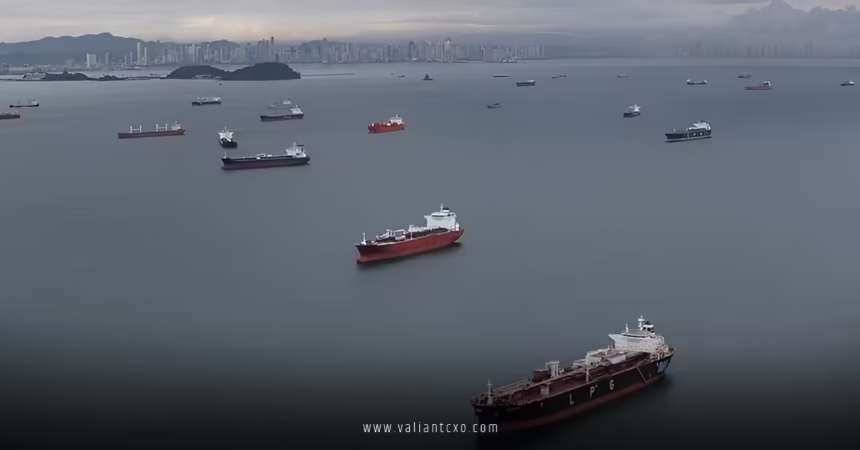
Panama Canal yacht transit costs 2026 hit harder than many first-timers expect. A typical 40- to 60-foot yacht now faces $3,500 to $6,500 total, depending on length, choices, and luck with scheduling. That covers official tolls, mandatory fees, gear rentals, and support services. Nail the budget right and the crossing becomes a calculated adventure instead of a wallet punch.
- Base tolls scale by length: under 65ft starts around $2,130; larger boats pay more.
- Add-ons push the real number higher: scheduling fee, inspection, security, buffer.
- Agent, lines, and handlers add $800–$2,000 easily.
- Why it matters: Proper planning avoids surprises, delays, or rejected transits.
Panama Canal yacht transit costs 2026 reward those who prepare. Here’s the no-BS breakdown.
Official Tolls and Mandatory Fees in 2026
The Panama Canal Authority (ACP) bases small vessel tolls on length overall for handline yachts under 125 feet. These figures reflect 2025–2026 updates and remain stable as of spring 2026.
Expect these core charges:
| Length Overall | Transit Toll | TVI Inspection | Security | Scheduling Fee | Buffer Deposit | Approx. Total Deposit |
|---|---|---|---|---|---|---|
| < 65 ft (19.8m) | $2,130 | $120 | $165 | $500 | $1,060 | ~$3,975 |
| 65–80 ft | $3,200 | $120 | $165 | $500 | $1,060 | ~$5,045 |
| 80–100 ft | $4,660 | $120 | $165 | $500 | $1,060 | ~$6,505 |
The buffer deposit usually returns (minus any incidentals) if you transit cleanly without assistance or delays. Always confirm current rates directly with the ACP or your agent.
Real-World Total Panama Canal Yacht Transit Costs 2026
Tolls form the foundation, but extras stack up fast.
Typical breakdown for a 50-foot yacht:
- Official deposit: ~$4,000
- Agent fee: $400–$750
- Lines and fenders rental: $100–$300
- Professional line handlers (4): $400–$1,300 (or use volunteers/crew)
- Advisor meals, launches, misc: $200–$500
- Cruising permit and other: $200–$400
Grand total: $3,500–$6,500 for most private yachts. Smaller, self-sufficient boats with volunteer handlers land closer to the low end. Bigger boats or those hiring full support climb higher.
In my experience, skipping the agent saves a few hundred but risks headaches with paperwork and scheduling. Most skippers who’ve done it twice recommend one.
For gear specifics that directly impact costs, see Panama Canal yacht transit requirements lines fenders.
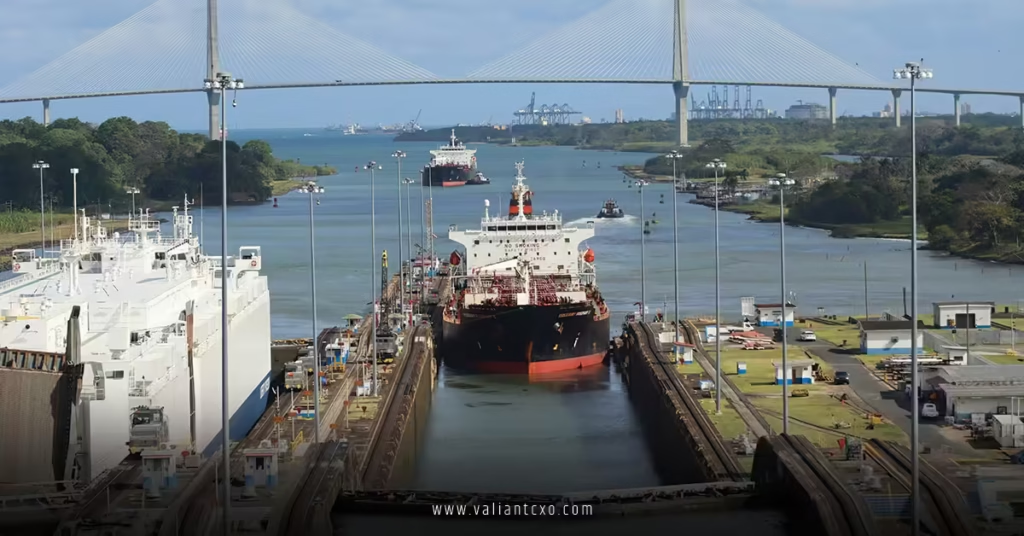
Step-by-Step Budgeting Action Plan
- Measure accurately: Get your exact LOA. It determines the toll bracket.
- Contact an agent early: 2–4 weeks ahead. They quote full package and handle EDCS submission (96 hours minimum).
- Gather documents: Proof of insurance, crew list, vessel registration.
- Rent smart: Bundle lines, fenders, and handlers through the agent—cheaper and compliant.
- Pay the deposit: Via wire or approved method. Track the refund timeline (often 4–8 weeks post-transit).
- Build contingency: Add 20% buffer for delays, extra nights, or last-minute needs.
- Transit day: Fuel up, provision, and stay flexible.
What I’d do? Hire a reputable agent, rent the full gear package, and line up experienced handlers. Saves time and stress.
Common Cost Pitfalls & How to Avoid Them
- Underestimating extras: Tolls look low until you add everything. Fix: Get a full written quote.
- Cheap gear fails: Weak lines or tiny fenders lead to damage claims. Fix: Rent canal-approved sets.
- No agent, DIY chaos: Missed slots or paperwork errors delay you weeks. Fix: Pay for professional help.
- Ignoring refund process: Buffer money sits unclaimed. Fix: Follow up promptly.
- Peak season surprises: Higher wait times mean extra marina fees. Fix: Time your arrival.
Factors That Influence Your Final Bill
Boat size matters most. Engine reliability can avoid costly tows. Rafting configurations sometimes share handlers but still need solid fenders.
Water levels and traffic affect scheduling speed, though 2026 looks more stable than drought years.
For official tariffs, visit the Panama Canal Authority Maritime Tariff page.
Cruising forums and Noonsite Panama Canal guide offer real cruiser updates.
Key Takeaways
- Base tolls for yachts under 65ft start at $2,130 but total costs reach $3,500–$6,500.
- New $500 Vessel Scheduling Fee applies to handline transits.
- Agent fees pay for themselves in reduced stress and faster processing.
- Renting lines and fenders keeps you compliant without big upfront buys.
- Buffer deposit is largely refundable if you follow rules.
- Volunteer handlers slash costs but require skilled crew.
- Early planning and accurate measurements prevent nasty surprises.
- Proper prep makes the Panama Canal one of the best value adventures afloat.
Panama Canal yacht transit costs 2026 deliver a straightforward engineering marvel—if you budget realistically. Know the numbers, choose your support wisely, and the crossing becomes the highlight of your voyage.
Next step: Contact two trusted agents for quotes this week. Compare packages including lines, fenders, and handlers. Lock in your numbers before you sail.
FAQs
How much does a typical 50-foot yacht pay for Panama Canal transit in 2026?
Expect $4,000–$6,000 total including tolls around $2,130–$3,200, fees, agent, and rentals. Exact amount depends on choices and length.
Is the buffer deposit for Panama Canal yacht transit costs fully refundable?
Most of it returns if you complete the transit without incidents, assistance, or damage. Processing takes weeks—plan accordingly.
Do Panama Canal yacht transit costs 2026 include lines and fenders?
No. You rent them separately for $100–$300. Bundling through your agent usually saves money and ensures compliance with requirements.