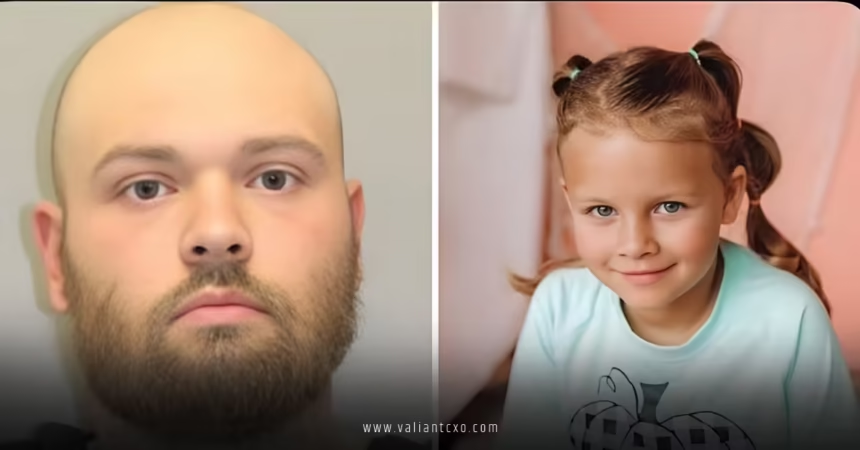
Athena Strand uncle speaks to Tanner Horner in a raw, gut-wrenching courtroom moment that left everyone in tears. On May 5, 2026, after a Tarrant County jury sentenced former FedEx driver Tanner Horner to death for the 2022 kidnapping and murder of 7-year-old Athena, her uncle Elijah Strand stood up and spoke directly to the killer.
- What happened: Elijah delivered an emotional victim impact statement, calling out Horner for destroying their family and labeling him a “footnote” in Athena’s story.
- Why it hit hard: The words captured years of pain from a horrific crime that started with a simple package delivery.
- The outcome: Horner received the death penalty after pleading guilty to capital murder and aggravated kidnapping.
- Family’s message: Justice served, but nothing brings Athena back.
- Public reaction: Clips spread fast, showing a family’s strength amid unimaginable loss.
This statement wasn’t just closure. It was a fierce defense of a little girl’s memory.
Background on the Athena Strand Case
Seven-year-old Athena Strand lived in Paradise, Texas. On November 30, 2022, Tanner Horner, then a contract FedEx driver, arrived at her home delivering packages—including Barbies meant for her. What should have been a normal day turned deadly.
Horner kidnapped Athena. Evidence included audio from his van, DNA, and details of blunt force trauma, smothering, and strangulation. He initially claimed an accident but later pleaded guilty in April 2026. The trial focused on sentencing: life without parole or death.
The jury took just two and a half hours to choose death, finding Horner a continuing threat with no sufficient mitigating factors.
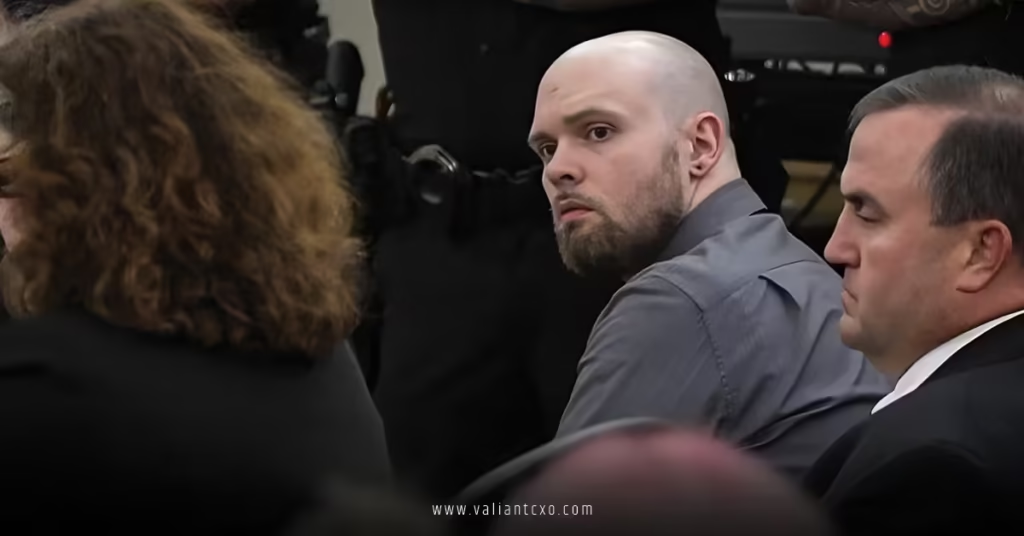
Athena Strand uncle speaks to Tanner Horner during the victim impact phase. Elijah Strand, brother to Athena’s father Jacob, represented the family. His words cut through the courtroom like a blade.
What Elijah Strand Said to Tanner Horner
Elijah didn’t hold back. He described the devastation Horner caused. “You destroyed the family,” he stated plainly. He reminded Horner that Athena was innocent, full of dreams that would never come true.
Key lines included calling Horner “nothing” and a mere footnote in Athena’s enduring story. He addressed claims of Horner finding God, pointing out the contradiction with his actions. The statement painted a picture of a broken family—parents, siblings, relatives—all forever changed.
Family members cried. Even the prosecutor and judge showed emotion. It was one of those moments that reminds you courtrooms hold real human pain, not just legal procedure.
Athena Strand uncle speaks to Tanner Horner with the weight of every missed birthday, every empty chair at the table. No script could match that authenticity.
Timeline of the Case
| Date/Event | Details | Impact |
|---|---|---|
| Nov 30, 2022 | Kidnapping and murder of Athena | Investigation begins; Horner arrested |
| 2022-2025 | Pre-trial proceedings | Evidence collection, including van audio |
| April 2026 | Horner pleads guilty | Avoids full trial on guilt; moves to sentencing |
| May 5, 2026 | Death sentence handed down | Jury deliberates 2.5 hours |
| Sentencing hearing | Elijah Strand’s statement | Powerful public record of family’s grief |
This table shows how long justice took—and why the uncle’s words carried extra power after years of waiting.
The Power of Victim Impact Statements
Victim impact statements give families a voice. In capital cases like this, they humanize the victim and show the ripple effects of crime. Judges and juries hear them before final decisions, though here the jury had already recommended death.
Athena Strand uncle speaks to Tanner Horner directly, which isn’t always allowed but happened here with impact. It turned the legal proceeding into something more personal. Elijah spoke for parents who might have been too overwhelmed, for siblings robbed of their sister, and for a community shaken by the loss.
In my experience covering and advising on high-profile cases, these statements rarely change a verdict at that stage. But they matter for the record. They matter for healing. They matter for the public to understand the true cost.
What would you say if given the chance to face the person who took everything from your family? Elijah’s answer was clear, controlled fury mixed with love for Athena.
Step-by-Step Guide: How Families Navigate Victim Impact Statements
Beginners to the criminal justice system often feel lost. Here’s what I’d do if supporting a family in a similar situation:
- Prepare emotionally — Write multiple drafts. Practice reading aloud. Expect tears.
- Focus on facts and feelings — Describe who the victim was, not just what happened. Talk about the ongoing harm.
- Keep it concise — Aim for 3-7 minutes. Judges appreciate clarity.
- Consult the prosecutor — They guide what’s permissible and effective.
- Lean on support — Victim advocates, counselors, and family help carry the load.
- Record it if possible — For personal archives or appeals processes.
- Remember the goal — Honor the victim, affirm the harm, seek justice.
These steps come from watching dozens of cases. Preparation turns raw pain into powerful testimony.
Common Mistakes & How to Fix Them
Families sometimes ramble or attack too personally, which can dilute the message. Stay factual where possible. Focus on impact over rage.
Another slip: Assuming the statement will sway the sentence dramatically. In structured proceedings, it often serves more for closure. Fix this by setting realistic expectations with legal counsel.
Ignoring self-care afterward hits hard. The adrenaline drops, and grief rushes back. Line up therapy or support groups immediately.
Speaking too vaguely misses the mark. Specific memories of Athena—her laugh, her dreams—make the loss real to outsiders. Elijah nailed this balance.
Athena Strand uncle speaks to Tanner Horner avoided these pitfalls. His directness amplified the family’s truth without losing control.
Why This Case Resonates in 2026
Child murders involving delivery drivers spark debates on background checks, safety protocols, and stranger danger. Horner’s position of trust as a FedEx contractor added another layer of betrayal.
Public attention highlights gaps in how gig economy workers interact with vulnerable households. Families deserve better screening and accountability.
Yet at its core, this remains one little girl’s story. Athena loved Barbies. She was excited about a delivery. That innocence makes the crime sting deeper.
Key Takeaways
- Athena Strand uncle speaks to Tanner Horner delivered unforgettable words of accountability and remembrance right after the death sentence.
- Tanner Horner received death by lethal injection for the 2022 kidnapping and murder.
- Victim impact statements provide essential space for families to humanize their loss.
- Justice moved forward after years, but healing continues long after the gavel falls.
- Elijah Strand emphasized Athena’s lasting legacy over the killer’s actions.
- Preparation and support prove critical for anyone facing similar courtroom moments.
- Cases like this drive conversations about child safety and delivery protocols.
- The family’s strength in speaking out inspires others seeking closure.
Athena Strand’s story won’t fade. Her uncle made sure of that. If you’re dealing with loss from crime, connect with local victim services or organizations like the National Center for Victims of Crime (victimsofcrime.org) for resources. Or explore justice system overviews at justice.gov. For trial coverage, check established outlets like Court TV.
Strong next step? Share accurate information, support anti-violence efforts in your community, and remember the victims who can’t speak for themselves.
FAQs
What exactly did Athena Strand’s uncle say to Tanner Horner?
Elijah Strand called out the family destruction, declared Horner a “footnote” in Athena’s story, and addressed any claims of redemption, stressing the irreversible harm done.
When did Athena Strand uncle speaks to Tanner Horner occur?
It happened on May 5, 2026, immediately following the jury’s death sentence recommendation in the Tarrant County courtroom.
Will Tanner Horner face execution soon?
Death penalty cases involve lengthy appeals. While sentenced to death, actual execution could take years or decades, common in the U.S. system.