Eco-friendly snow melting solutions for driveways 2026 are exactly what they sound like: ways to keep a driveway safer and more usable in winter without leaning so hard on salt, wasteful energy use, or harsh chemicals. If you live in a cold part of the USA, this matters because the wrong approach can chew up concrete, harm landscaping, and create more runoff trouble than people realize.
- The best eco-friendly options use less chemistry, less waste, and more targeted heat or traction.
- Permeable surfaces, radiant heat, and smarter snow-melt controls can cut overuse fast.
- For most homeowners, the sweet spot is a hybrid setup: good drainage, safer deicing, and better snow-removal habits.
- The goal is not “zero snow.” It’s less ice, less damage, and less mess.
- The right choice depends on climate, driveway material, and how much snow you actually get.
Here’s the thing: snow management is a systems problem, not a product problem. Treat it like one.
What eco-friendly snow melting solutions for driveways 2026 actually includes
When people hear “snow melting,” they usually picture dumping rock salt and hoping for the best. That’s the old playbook. In 2026, the smarter play is a mix of prevention, lower-impact melting, and better surface design.
That can include:
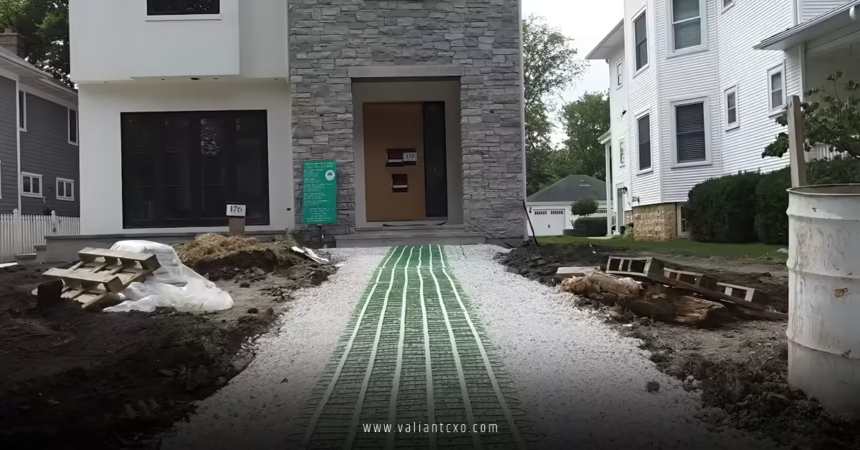
- Heated driveway systems using electric, hydronic, or geothermal-assisted setups
- Liquid deicers with lower chloride impact
- Sand or traction agents for black-ice control
- Permeable pavers that reduce pooling and refreezing
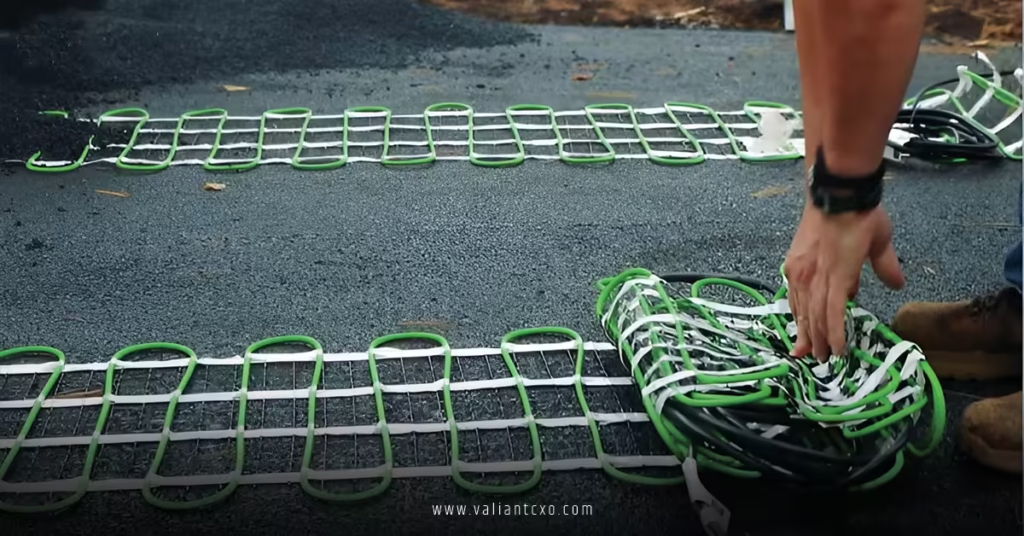
- Snow-melt mats for short driveway sections, steps, or problem zones
- Manual clearing paired with eco-friendlier spot treatment
The kicker is simple: the greenest solution is often the one you use least often because the driveway is designed better from the start.
For federal context on winter roadway chemicals and environmental runoff concerns, see the U.S. EPA overview on road salt and freshwater impacts.
Why eco-friendly snow melting solutions for driveways 2026 matter more now
Winter damage is rarely dramatic. It’s slow. A little chloride here. A little freeze-thaw stress there. Then one spring you notice flaking concrete, stained stone, crispy shrubs, or runoff that did exactly what runoff does.
In practical terms, eco-friendly snow melting solutions for driveways 2026 help with three things:
- Surface protection: Less aggressive chemical exposure means less wear on concrete, pavers, stone, and nearby plants.
- Water quality: Less chloride and fewer excess chemicals washing into stormwater systems.
- Safety: Better melt strategy reduces slip risk without turning your driveway into a science experiment.
If you want the big-picture weather context, the National Weather Service winter safety guidance is worth a look. It’s basic, but the basics are what keep people upright.
Best eco-friendly options, ranked by real-world usefulness
Here’s the blunt version: not every “green” snow solution is actually practical. Some are great for small areas. Some only make sense in new construction. Some are maintenance band-aids.
| Option | Eco impact | Best for | Main tradeoff | My take |
|---|---|---|---|---|
| Permeable pavers | Strong | New or major driveway projects | Higher upfront cost | Excellent long-term move if you’re rebuilding anyway |
| Electric radiant snow-melt system | Moderate to strong, depending on power source | High-use driveways and short regions with consistent snow | Energy cost and install expense | Best “set it and forget it” option for many homes |
| Hydronic snow-melt system | Strong if efficiently designed | Larger driveways and long-term builds | Complex install | Serious solution, not a weekend project |
| Liquid deicers with lower chloride load | Moderate | Spot treatment and prevention | Still needs careful use | Great as part of a toolkit, not a magic fix |
| Sand or grit | Strong | Short-term traction on light ice | No melting effect | Underused, cheap, and useful when used correctly |
| Snow-melt mats | Moderate | Small sections, entries, walk-up areas | Limited coverage | Perfect for trouble spots, not entire driveways |
Eco-friendly snow melting solutions for driveways 2026: what works best for different homes
Best for a brand-new driveway
If you’re starting from scratch, permeable pavers plus a heated system can be a very strong combo. You get better drainage, less pooling, and less refreezing. That’s a big deal because standing meltwater is what turns into morning ice.
Best for an existing concrete driveway
If the slab is already in place, the most realistic upgrade is often targeted heating in problem areas, not a full rip-and-replace. Think slopes, garage aprons, and the section that always turns into a rink.
Best for a modest budget
A smart manual-clear routine, paired with a lower-impact liquid deicer and traction material, beats over-salting every time. No drama. Just discipline.
Best for heavy snowfall regions
If you’re in a place that gets hammered regularly, heated systems start making more sense. It’s about reducing labor, reducing chemical use, and keeping access open without a daily shovel battle.
Step-by-step action plan for beginners
If you’re new to eco-friendly snow management, keep it simple. Don’t buy five products and hope for a miracle.
- Start with the surface. Check whether your driveway has drainage issues, low spots, or cracked concrete that holds water.
- Pick the problem zone. Focus on the area that freezes first: slope, apron, or shaded section.
- Use manual removal early. Clearing fresh snow is cleaner and easier than fighting packed ice later.
- Add traction before you add chemicals. Sand or grit often solves the “slip” problem better than more melting product.
- Use deicer sparingly. Apply only where needed, and avoid blanket coverage.
- Upgrade the worst section first. If heating the whole driveway is too much, start small.
- Review runoff after a storm. If meltwater is pooling, fix drainage before winter returns.
What would I do if I owned an older driveway with recurring ice? I’d stop chasing the symptom and fix the low spot or shade issue first. Otherwise, you’re just feeding the same problem with a different bag of product.
Eco-friendly snow melting solutions for driveways 2026: where people go wrong
Using too much salt
This is the classic fail. More product does not equal better performance. It often means more runoff, more residue, and more damage.
Ignoring the driveway material
Concrete, asphalt, pavers, and natural stone do not react the same way. What’s fine for one surface can be rough on another. Read the manufacturer guidance for both the driveway and the deicer.
Waiting until ice is already locked in
The best time to act is before the freeze sets deep. Small, early actions usually beat heavy rescue treatments later.
Skipping drainage
If meltwater has nowhere to go, you’ll be right back at square one by sunrise. Water management matters as much as heat or chemistry.
Heating the whole driveway when only one section freezes
That’s like heating an entire house because one room is cold. Wasteful. Target the problem zones first.
Professional opinion: the greenest driveway is usually the smartest managed driveway
In my experience, the most eco-friendly setup is rarely the flashiest. It’s the one that reduces repeat work. Good grading. Better drainage. Less dependence on chloride-heavy products. Heat only where it earns its keep.
That’s the sweet spot.
And yes, radiant snow-melt systems sound fancy. But the real win is not luxury. It’s control. You control where heat goes, when it runs, and how much chemical runoff never happens in the first place.
Think of it like switching from blasting the whole kitchen to using the right burner.
Cost and practical tradeoff snapshot
If you want the short version, the more permanent the solution, the higher the upfront cost, but also the lower the daily headache.
| Approach | Upfront effort | Ongoing effort | Eco benefit | Best use case |
|---|---|---|---|---|
| Manual clearing + grit | Low | Moderate | High | Budget-friendly winter safety |
| Lower-impact liquid deicer | Low | Moderate | Moderate | Spot treatment and prevention |
| Snow-melt mats | Moderate | Low | Moderate | Entries and small problem zones |
| Full radiant driveway system | High | Low | High to moderate | Frequent snow, high-value properties |
Common mistakes and how to fix them
- Mistake: treating every snow event the same.
Fix: Light snow needs a different response than refrozen slush. Match your method to the conditions. - Mistake: using one product year-round.
Fix: Build a small toolkit. Shovel, grit, and a safer deicer beat a one-size-fits-all habit. - Mistake: buying a heating system before checking drainage.
Fix: Fix the grade first. Heat cannot solve bad water flow. - Mistake: overestimating how much area needs melt protection.
Fix: Target the parts people walk or drive on most. - Mistake: ignoring nearby landscaping.
Fix: Keep chemicals and meltwater away from shrubs, lawns, and plant beds.
For local climate and winter preparedness context, the NOAA climate and snowfall information resources can help you understand how your region has actually been trending, not just how it feels in memory.
Key Takeaways
- eco-friendly snow melting solutions for driveways 2026 work best when they reduce runoff, salt use, and repeated labor.
- The smartest setup is usually a hybrid: better drainage, smarter clearing, and selective melt support.
- Permeable pavers and heated systems make the most sense when you’re building new or fixing major problem areas.
- For existing driveways, target the worst freeze zones first.
- Sand or grit solves traction problems without pretending to melt everything.
- Overusing deicers causes more damage than most homeowners expect.
- Drainage is the hidden boss of winter driveway performance.
- The greenest choice is often the one that prevents ice from forming in the first place.
If you want less slip risk and less driveway damage, stop thinking in terms of “the strongest product.” Start thinking in terms of the cleanest system. That’s where the real win lives.
FAQs
What is the most eco-friendly option for eco-friendly snow melting solutions for driveways 2026?
For most homeowners, the best balance is better drainage, manual snow removal, and targeted traction or deicer use. If you’re installing new, permeable pavers plus a heated section is a strong long-term play.
Are heated driveways really eco-friendly in eco-friendly snow melting solutions for driveways 2026?
They can be, if they’re used strategically and paired with efficient controls. The footprint depends on system design, how often it runs, and where the electricity or heat source comes from.
What should I avoid with eco-friendly snow melting solutions for driveways 2026?
Avoid overapplying salt, ignoring drainage, and heating more surface area than you need. Those three mistakes burn money, waste energy, and create more runoff issues.