A smart South Africa safari packing list is the difference between “this is incredible” and “why am I freezing in an open vehicle with the wrong shoes on.”
You don’t need a mountain of gear. You need the right few things.
If you’re planning an expert led Big Five safari tour South Africa 2026, this guide keeps your bag lean, airline-friendly, and field-tested for real conditions in the bush.
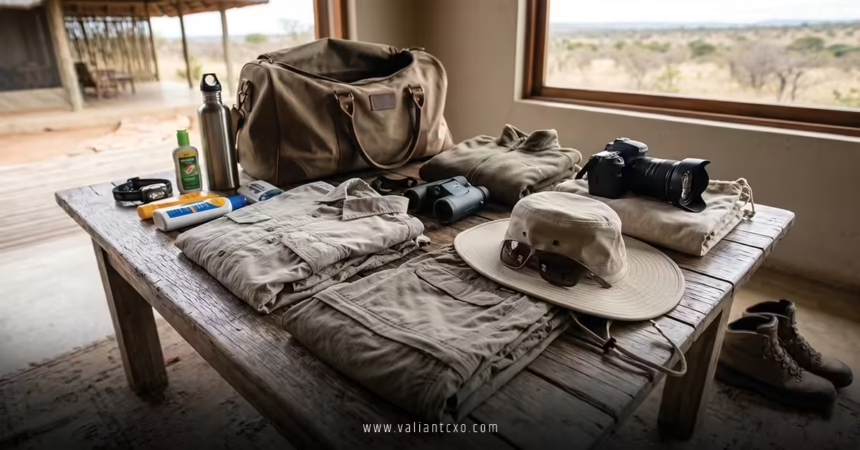
Quick-Glance South Africa Safari Packing List
If you remember nothing else, remember this core kit:
- 2–3 neutral‑colored safari shirts (long-sleeve, lightweight)
- 2 neutral pants + 1–2 pairs of shorts
- Lightweight insulated layer (fleece or thin down jacket)
- Warm hat/beanie + baseball cap or wide-brim hat
- Closed walking shoes + sandals or flip-flops for the lodge
- Binoculars (8x or 10x)
- Camera or smartphone with spare batteries / power bank
- Sunscreen, insect repellent, lip balm
- Any prescription meds + basic travel first-aid
- Soft-sided duffel bag (if using small planes between lodges)
We’ll break all of that down with exact quantities and real-world tips.
Luggage Rules: Start With the Bag, Not the Clothes
Before you think shirts and lenses, think luggage restrictions.
Many South Africa safaris—especially if you’re flying between reserves on small charter planes—have:
- Soft bag requirements (no hard suitcases)
- Weight limits around 15–20 kg / 33–44 lb including hand luggage
If you’re on an expert led Big Five safari tour South Africa 2026 that includes bush flights, your confirmation should spell out bag type and weight. Respect those limits; they’re about safety, not revenue.
Best Luggage Setup
- Main bag: Soft‑sided duffel with no rigid frame, 70–90L
- Daypack / personal item: 20–30L backpack for camera, layers, water, documents
Hard rollers are fine for big international legs (US–Johannesburg/Cape Town), but often need to be stored at your arrival hotel if your safari involves charters.
Clothing: Colors, Layers, and Quantities That Actually Work
Safari clothing is where people overcomplicate everything. You don’t need a movie costume. You need breathable, layerable, neutral gear.
Color Rules
- Best: Khaki, tan, olive, brown, muted greens
- Avoid: White (shows dust), bright colors (can attract insects or stand out), and especially dark navy or black, which can attract certain insects like tsetse in some regions
Tops
Aim for a 4–5 day rotation with lodge laundry filling the gaps.
- 2–3 long-sleeve, lightweight shirts (roll-up sleeves are ideal)
- 1–2 short-sleeve t‑shirts or polos
- 1 sun-protective top or thin base layer if you burn easily
Long sleeves protect you from sun, wind, and bugs on game drives. Breathable technical fabrics or light cotton both work.
Bottoms
- 2 pairs of lightweight neutral pants
- 1 pair of shorts (or zip-off pants) for warmer days at the lodge
Choose quick-drying materials. Skinny jeans and heavy denim are a pain in heat and dust.
Layers for Cold Drives
Even in “warm” seasons, early mornings and evenings on an open vehicle can be surprisingly cold.
Pack:
- 1 fleece or synthetic mid-layer
- 1 packable down or similar insulated jacket
- 1 beanie/warm hat
- 1 pair of light gloves (especially for winter months – roughly May to August)
Those layers take up little space but are gold when you’re rolling out before sunrise.
Underwear & Sleepwear
- 5–7 pairs of underwear (you can always wash a few in the sink if needed)
- 2–3 pairs of socks (more if you like fresh socks daily for drives)
- 1–2 sets of sleepwear
Most lodges offer laundry (sometimes complimentary in higher-end camps), but assume a 24–48 hour turnaround.
Footwear: Don’t Overpack Shoes
You’re not hiking Kilimanjaro. A South Africa safari is mostly vehicle-based, with some optional walks.
You need:
- 1 pair closed shoes: Trail runners or light hiking shoes with decent grip
- 1 pair lodge sandals/flip-flops: For downtime, pool, and showers
Heavy hiking boots are overkill for most travelers unless you’re doing serious walking safaris. Trail shoes hit the sweet spot: pack lighter, still stable on uneven terrain.
Sun, Dust & Weather Protection
The African sun doesn’t play nice, especially on open vehicles.
Pack:
- Sunscreen SPF 30+ (broad spectrum, non-greasy)
- Lip balm with SPF
- Sunglasses (polarized if possible)
- Hat: Wide-brim or baseball cap (wide brim is better for neck and ears)
- Buff / neck gaiter or light scarf: Great for dust on drives and extra warmth in the morning
If you’re going on an expert led Big Five safari tour South Africa 2026 in the dry winter months, that buff or scarf will be your unsung hero when wind and dust kick up.
Electronics & Camera Gear: Keep It Simple and Protected
You don’t need a rolling camera store. But you should think through what you’ll actually use.
Essentials
- Smartphone (camera + offline maps + notes)
- Camera (mirrorless/DSLR or high-quality compact) if you’re into photography
- 2–3 memory cards
- 1–2 spare batteries for camera
- Power bank (10,000–20,000 mAh)
- Universal plug adapter (South Africa mainly uses Type M and sometimes Type C)
Most lodges in South Africa have standard power outlets in rooms, but some tented camps might limit power availability, especially at night. A power bank keeps phone and camera topped up.
Lens Choices (If You’re Bringing a Camera)
- Wildlife: 70–300mm, 100–400mm, or similar zoom lens
- General / landscape / lodge: 24–70mm or your favorite mid-range zoom
Oversized telephoto lenses can be amazing but heavy and intrusive in a shared vehicle. If you’re not a die-hard photographer, a single flexible zoom lens is enough.
Documents, Money & Admin
Paperwork isn’t glamorous, but it’s non-negotiable.
Pack:
- Passport with 6+ months validity beyond travel dates
- Printed and digital copies of:
- Flight itineraries
- Safari booking confirmations
- Travel insurance policy details
- Credit/debit cards + a small amount of South African rand for tips and small purchases
Also keep a photo of your passport and cards backed up in secure cloud storage. It’s boring—until it saves your trip.
Health, Safety & Personal Items
You’re likely to spend a lot of time far from big pharmacies, so think ahead.
Medication & Health Essentials
- Any prescription meds in original containers (plus copies of prescriptions where possible)
- Basic pain reliever (ibuprofen/acetaminophen)
- Antihistamines (for bites or allergies)
- Anti-diarrheal tablets
- Rehydration salts or electrolyte tablets
For vaccine advice and malaria guidance specific to South Africa, always cross-check with your doctor and reference sites like the CDC travel health pages at
https://wwwnc.cdc.gov/travel.
Insect Protection
- DEET-based or picaridin insect repellent
- After-bite or soothing cream
- Light long-sleeve layers for evenings
Many lodges provide repellents and sometimes mosquito nets, but having your own repellent guarantees you’re covered.
Toiletries
- Toothbrush, toothpaste, floss
- Deodorant
- Travel-sized shampoo, conditioner, body wash (a lot of lodges supply these, so check your itinerary)
- Personal hygiene products (including feminine products if needed)
Think “hotel plus remote” – some things will be provided, but don’t assume your exact preferred items will be on hand.
Binoculars: The One “Luxury” You’ll Wish You Had
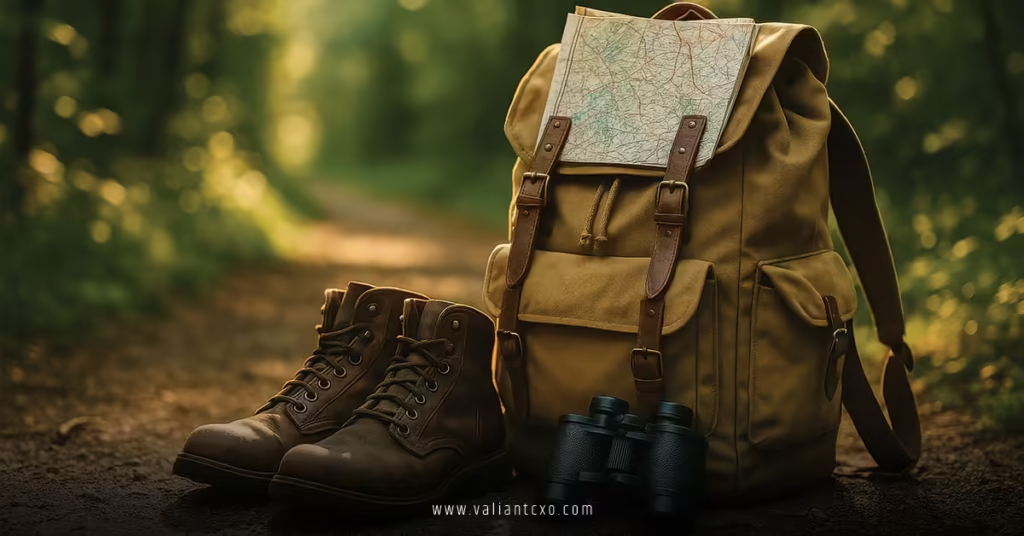
If there’s one non-negotiable on a South Africa safari packing list after clothes and shoes, it’s this: bring your own binoculars. Sharing a single pair across a vehicle is painful.
Ideal specs:
- 8×32 or 8×42 for most travelers (bright, easy to hold, good field of view)
- 10×42 if you’re comfortable with a bit more magnification
You don’t need pro-level glass, but a decent mid-range pair transforms your experience. Every bird, every distant leopard in a tree, all of it suddenly comes alive.
On an expert led Big Five safari tour South Africa 2026, your guide will often have a high-quality pair—but they can’t hand them to six people at once.
Optional (But Nice-to-Have) Extras
These aren’t essential, but they often earn their place in the bag:
- Small notebook + pen (for animal names, guide notes, or journaling)
- E‑reader or book for downtime between drives
- Light rain jacket if you’re traveling in or near rainy months
- Ziplock bags or dry bags for dust protection (camera, phone, documents)
- Small flashlight or headlamp (handy in more remote camps)
What NOT to Pack for a South Africa Safari
Some items look useful on paper but just take up space.
Skip:
- Heavy hiking boots (unless you’re on a serious walking safari itinerary)
- Camouflage clothing (not appropriate in some regions and unnecessary)
- Excessive jewelry or anything flashy (no need around wildlife, and safer to leave at home)
- Hair dryers (most lodges have them; check ahead if it’s a must)
- Hard-shell oversized suitcases (often a problem on charter flights)
If you’re on a curated expert led Big Five safari tour South Africa 2026, your operator can often send a lodge-specific “don’t pack” list—use it.
Packing Strategy for Different Seasons
South Africa’s safari regions (like Kruger and nearby private reserves) are summer-rainfall, winter-dry areas. That changes what you feel on drive.
May–August (Dry, Cool to Cold Mornings & Evenings)
- Emphasize warm layers: fleece + insulated jacket + beanie + gloves
- Slightly thicker socks
- Buff/neck gaiter for wind on drives
- Same number of shirts/pants, just expect to wear layers over them
September–April (Warmer, Some Rain Possible)
- More breathable, lighter clothing
- Rain jacket or shell if you’re in the wetter months
- Extra focus on sun and insect protection
Game drives run in all seasons; you just tweak the ratio of warmth to airflow.
How This List Changes for Families
Traveling with kids on safari? Compress, don’t expand.
Key adjustments:
- Quick-dry clothing so you can wash-and-dry overnight
- Extra snacks for picky eaters (most lodges cater well, but familiar snacks are a lifesaver)
- Simple games or digital downloads for downtime
- A warm layer per child—kids feel the cold on vehicles even more
A good expert led Big Five safari tour South Africa 2026 operator will advise on child-specific age limits for certain activities and tailor game-drive times when possible.
How to Use This South Africa Safari Packing List Without Overthinking It
Practical way to pack:
- Lay out clothing for 5 days, not your entire trip.
- Check your itinerary for laundry availability at each lodge.
- Build from the core list: neutral clothes, layered warmth, one pair of closed shoes, one pair of sandals.
- Add binoculars, camera, meds, documents, and power.
- Weigh your fully packed bag against the strictest limit in your trip.
The goal isn’t to be prepared for every hypothetical scenario. The goal is to be comfortable, safe, and flexible from dawn drives to sunset drinks.
Get this South Africa safari packing list right, and you can focus on what you came for: lions in the early mist, elephants at the waterhole, leopards melting into the dusk—and that quiet moment when you realize the bush is louder, richer, and more alive than you expected.
And if you’re building a full expert led Big Five safari tour South Africa 2026, this packing list plugs in perfectly: lean, efficient, and completely dialed for those long, unforgettable days in the field.
Final Thoughts
A smart South Africa safari packing list isn’t about cramming in gear; it’s about choosing a tight, flexible setup that works from icy dawn drives to warm sunset sundowners. Focus on neutral layers, one solid pair of closed shoes, sun and insect protection, and your own binoculars, then build everything else around that core. Keep weight limits in mind—especially if your itinerary includes bush flights—and let laundry at the lodge work in your favor instead of overpacking. Pair this lean, purposeful packing list with an expert led Big Five safari tour South Africa 2026, and you’ll spend your time watching wildlife, not worrying about what you left in your suitcase.
FAQs
1. How many outfits do I really need for a South Africa safari?
For most travelers, 4–5 days’ worth of clothing is enough because many safari lodges offer laundry; rotate 2–3 shirts, 2 pairs of pants, 1 pair of shorts, and rely on layers for warmth rather than packing bulky extras.
2. Do I need special “safari” clothes or brands?
No—any neutral-colored, breathable clothing works fine, as long as it’s comfortable, layerable, and not bright or white; save your budget for good binoculars and experiences like an expert led Big Five safari tour South Africa 2026 instead of chasing logo-heavy safari fashion.
3. Are hiking boots necessary for a South Africa safari?
For most standard, vehicle-based safaris, comfortable closed shoes or light trail runners are enough; only if your itinerary includes extensive walking safaris would heavier hiking boots make sense, and even then they’re optional rather than essential.