Best asphalt rollers for small contractors deliver the perfect mix of maneuverability, compaction power, and affordability without tying up massive capital. These compact machines handle driveways, parking lots, patches, and light road work where bigger rigs just don’t fit or make sense. In 2026, small crews lean toward 1.5- to 5-ton tandem vibratory models that crush jobs fast and keep fuel and transport costs low.
- Maneuverability wins: Tight drum widths (35-54 inches) let you work close to curbs and edges.
- Cost control: New units start around $25k-$60k; solid used options go much lower.
- Versatility matters: Combo rollers (drum + tires) and oscillation features shine on sensitive asphalt mixes.
- Why it pays off: One good roller can replace daily rentals and boost your margins on residential and small commercial jobs.
The right pick depends on your typical job size, crew experience, and budget. Nail that, and you’ll lay down smooth, dense mats without the headaches.
Top Picks for Small Contractor Fleets in 2026
Small contractors swear by machines that start easy, run all day, and fit on standard trailers. Here are the standouts.
Wacker Neuson RD Series
These lightweight tandems (RD12, RD16) dominate tight spaces. Drum widths around 35 inches make them ideal for bike paths, driveways, and patching. Great visibility, simple controls, and gas or diesel options keep them popular with rental fleets and one-truck operations.
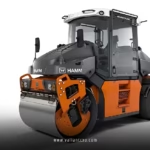
Hamm HD CompactLine
Hamm’s smaller models like the HD10 and HD12 offer excellent vibration control and articulated steering. They excel at finish rolling and hold up well in daily use. For deeper value, check current used Hamm tandem roller price listings—many low-hour examples deliver big performance at used-equipment savings.
BOMAG BW Light Tandem Rollers
Smart compaction tech like Asphalt Manager helps even beginners hit density targets faster. Reliable, with strong parts support. Perfect for crews doing overlays and seal coats.
Sakai Small Tandems
Known for durable oscillation on select models. The 1.5- to 4-ton range crushes small commercial lots and residential work with fewer passes.
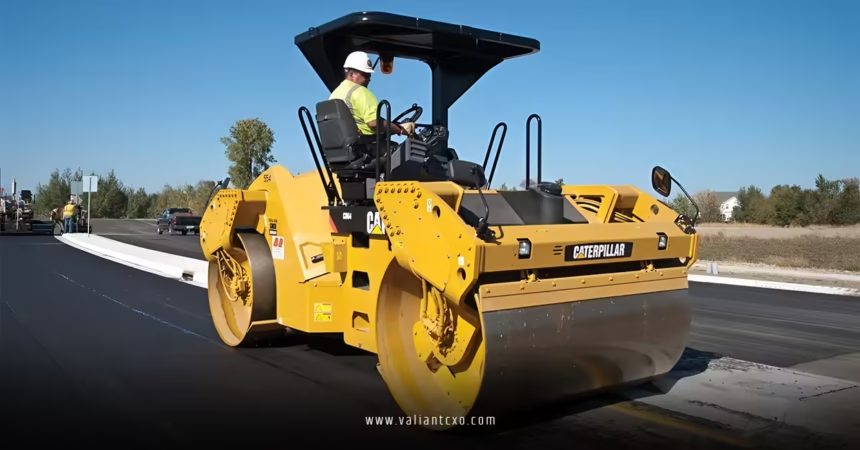
Caterpillar Utility Rollers
Bulletproof dealer network and resale value. CB series small tandems provide consistent results, though they often carry a premium price.
Other mentions: Ammann for visibility and ergonomics, plus niche options like walk-behind or zero-clearance units for super-tight spots.
Comparison Table: Best Asphalt Rollers for Small Jobs
| Model/Brand | Weight Class | Drum Width | Key Features | Approx. New Price (2026) | Best For |
|---|---|---|---|---|---|
| Wacker Neuson RD12/RD16 | 1-2 tons | 35-40 inches | Excellent visibility, compact | $25,000 – $45,000 | Driveways, patches, tight areas |
| Hamm HD10/HD12 | 2.5-4 tons | 39-47 inches | Strong vibration, oscillation options | $35,000 – $65,000 | Finish work, small paving |
| BOMAG BW120-130 | 2.5-4 tons | 47-51 inches | Intelligent compaction systems | $40,000 – $70,000 | Overlays, consistent density |
| Sakai SW Series | 1.5-4.5 tons | 35-51 inches | Oscillation for crack reduction | $30,000 – $60,000 | Quality residential lots |
| Cat CB24/CB34 | 2.5-4 tons | 39-51 inches | Robust build, great support | $45,000 – $75,000 | Crews wanting longevity |
Prices vary with options and location. Used machines can slash these figures by 40-70%.

Key Factors Small Contractors Must Weigh
Best Asphalt Rollers for Small Contractors Drum size and weight directly impact productivity. Too light and you make extra passes. Too heavy and you risk cracking fresh mats or struggling in confined spaces.
Vibration modes matter. Standard vibratory works for most jobs, but oscillation or high-frequency options reduce marks on tender mixes. Combo rollers (front drum, rear tires) knead the surface beautifully for seal work.
Transport and storage count. Most small rollers tow easily behind a pickup with the right trailer. Fuel efficiency and maintenance access keep daily costs down—critical when margins are thin.
Step-by-Step Guide to Choosing and Buying
- Assess your jobs: List the five most common projects. Measure tightest areas for drum width needs.
- Set budget boundaries: Factor purchase (or used), transport, insurance, and first-year maintenance. Aim for ROI within 12-18 months.
- Test drive options: Rent candidates for a weekend. Feel the controls and compaction results.
- Inspect used units: Hours, drum condition, hydraulics, and service records. Cross-reference with recent sales.
- Compare total ownership: Dealer support, parts availability, and resale value trump initial price.
- Close smart: Negotiate bundles with warranties or attachments. Get delivery and training included.
What I’d do? Start with a 2.5-4 ton tandem. It covers 80% of small contractor work without overkill.
Common Mistakes & How to Fix Them
- Buying too big or too small: Fix by matching specs to actual job data, not “bigger is better” thinking.
- Ignoring operator comfort: Long days on a vibrating seat kill productivity. Fix with test runs and ergonomic checks.
- Skipping maintenance planning: Cheap upfront often means expensive downtime. Fix by budgeting for filters, grease, and pro service.
- Overlooking used market: A well-maintained older model outperforms a neglected new one. Fix by inspecting thoroughly and verifying history.
- Poor financing choices: High-interest loans eat profits. Fix with equipment-specific lenders or dealer programs.
Maintenance Tips to Maximize Uptime
Daily: Clean scrapers, check water spray, grease fittings. Weekly: Inspect hoses and belts. Follow manufacturer intervals religiously—vibration systems don’t forgive shortcuts.
Think of your roller like a trusted crew member. Neglect it, and it lets you down on bid day. Invest in basic training and records, and it keeps performing season after season.
For detailed specs, visit manufacturer sites like Wacker Neuson or BOMAG.
Key Takeaways
- Focus on 1.5-5 ton tandems for most small contractor needs.
- Wacker Neuson, Hamm, BOMAG, Sakai, and Cat lead the pack for reliability and fit.
- Oscillation and combo features add real value on asphalt work.
- Used equipment, like Hamm models, offers strong ROI—always inspect before buying.
- Prioritize visibility, maneuverability, and dealer support.
- Match the roller to your most frequent job types.
- Budget for ongoing maintenance to protect your investment.
- Test before you buy—demo units reveal what specs can’t.
Picking the best asphalt rollers for small contractors means faster jobs, better results, and healthier margins. Start by evaluating your current workflow, then explore listings and rentals. Line up a few demos this week and watch how the right machine changes your game.
FAQs
What size asphalt roller works best for small contractors doing driveways and parking lots?
A 2-4 ton tandem roller with 39-51 inch drums strikes the ideal balance for most residential and light commercial work.
How do used options compare to new for small paving crews?
Used rollers, especially Hamm tandems, deliver excellent value when properly inspected. Check used Hamm tandem roller price trends to find low-hour gems that fit tight budgets.
Should small contractors buy combo rollers or straight tandem models?
Combo rollers excel at sealing surfaces and versatile work. Straight tandems suit pure asphalt compaction. Choose based on your mix of jobs.