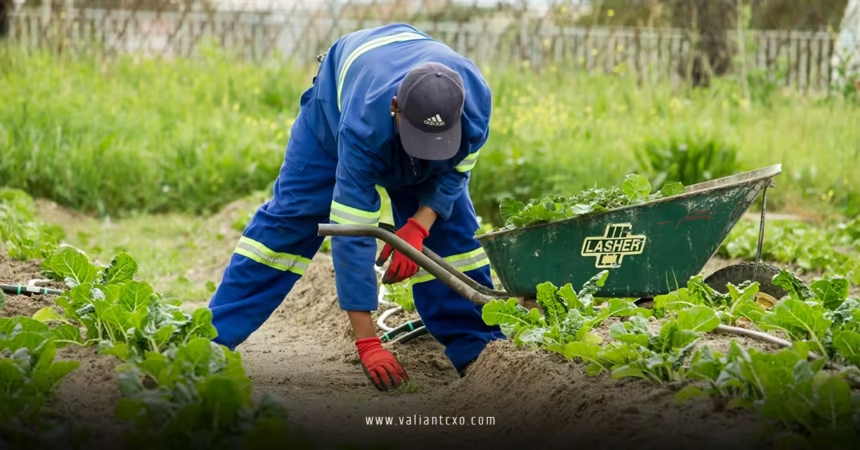
Regenerative farming basics for beginners can feel like a smart next step if you’re tired of high input costs and want healthier land that produces more over time. Many new and growing farm operators struggle with soil that seems worn out, unpredictable yields, and rising expenses for fertilizers and chemicals. The good news is you don’t need a huge operation or fancy equipment to start making positive changes.
In this article, we’re going to be taking a look at regenerative farming basics for beginners, and how you can build a stronger foundation for your business. If you would like to find out more, feel free to read on.
Pic – CC0 License
Why regenerative farming makes sense for your operation
Regenerative farming focuses on working with nature to restore soil health instead of constantly fighting it. You improve the living ecosystem in your dirt so it naturally supports crops, holds water better, and reduces the need for expensive inputs.
For beginners, this approach offers real business advantages. Healthier soil often leads to more resilient plants that handle drought or heavy rain better. Over time, many farmers see lower costs and the chance to sell into growing markets that pay more for clean, nutrient-dense food.
This ties nicely into bigger efforts like the Trump regenerative agriculture pilot program MAHA farmers, which provides practical support and funding to help producers like you adopt these methods.
Core principles of regenerative farming basics for beginners
Start with these four simple ideas that form the backbone of regenerative farming:
Minimize soil disturbance. Reduce or stop tilling whenever possible. Tilling breaks up soil structure and kills beneficial microbes. No-till or low-till methods keep everything intact so your soil stays alive and productive.
Keep the soil covered. Use cover crops, mulch, or crop residues to protect bare ground. This prevents erosion, feeds soil organisms, and suppresses weeds naturally.
Increase diversity. Grow a mix of crops, rotate them thoughtfully, and incorporate livestock where it fits. Diversity builds a stronger system that resists pests and improves nutrient cycling.
Maintain living roots. Keep plant roots in the ground as much as possible throughout the year. This feeds soil life continuously and prevents nutrient leaching.
These principles work together. You don’t have to do everything at once. Pick one or two that fit your current setup and build from there.
Practical first steps you can take right now
Begin small so you can learn without big risks. Choose a few acres to test regenerative farming basics for beginners.
- Plant a simple cover crop mix after your main harvest. Options like clover, rye, or radish are forgiving for new users.
- Switch one field to no-till planting if you’re using tillage now. Modern equipment makes this easier than ever.
- Add compost or natural amendments to boost microbial activity without relying solely on synthetic fertilizers.
- Integrate animals if possible. Even a small herd can graze cover crops and return nutrients to the land.
Track what happens with simple notes or photos. Many beginners are surprised how quickly they see improvements in soil structure and water infiltration.
For more structured help, programs like the Trump regenerative agriculture pilot program MAHA farmers can connect you with experts and financial support as you scale up.
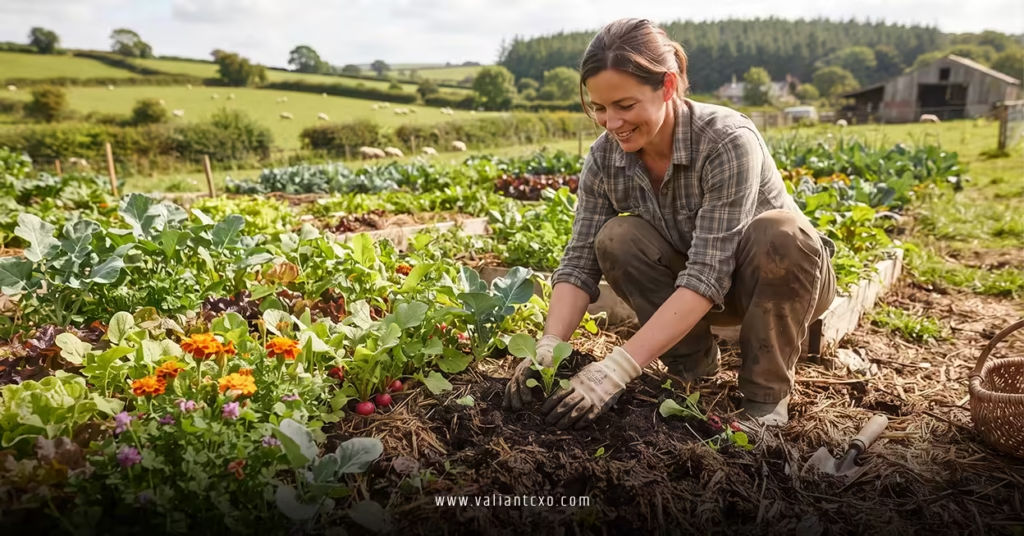
Common challenges and how to handle them
Transitioning takes patience. Yields might dip slightly at first while your soil biology rebuilds. Plan for this by starting small and keeping good records of your expenses and results.
Weed pressure can feel higher initially without chemicals. Cover crops and better soil health usually reduce this over time. Mechanical or targeted approaches can bridge the gap.
Finding markets is another piece. Look for local buyers, CSAs, or certifications that reward regenerative practices. The demand is growing as more people seek better food.
Measuring success beyond the harvest
Look at soil tests over multiple years to track organic matter increases. Notice how much less water your fields need. Pay attention to the variety of insects and birds returning to your land—these are good signs.
Your profitability picture often improves as input bills drop and you command better prices. Many farmers report stronger businesses and greater satisfaction once the system starts working for them.
Building on the basics for long-term growth
Once you’re comfortable with regenerative farming basics for beginners, explore advanced techniques like rotational grazing, agroforestry, or value-added products from your healthier harvests. The skills you develop create opportunities beyond traditional commodity farming.
This approach isn’t just about one season—it’s about creating a farm that lasts for generations while staying profitable. Whether you’re running a small family operation or scaling a larger business, these fundamentals give you more control and resilience.
We hope that you have found this article enlightening in some way. Start experimenting with one regenerative practice this season and watch how your land responds. Combining these basics with support from initiatives like the Trump regenerative agriculture pilot program MAHA farmers can accelerate your progress and open new doors for your farm business. You’ve got this—take that first step today.