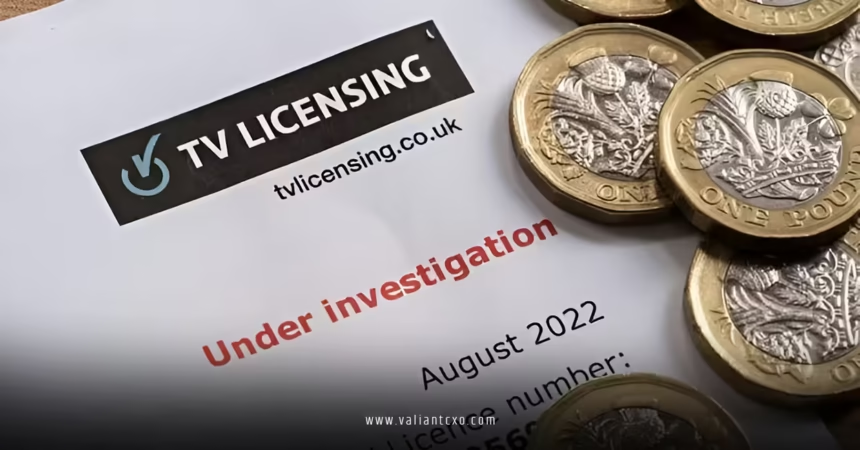
TV licence cost 2026 matters more than many small business owners realise. As your team gathers around a screen for the morning news or customers wait in your reception area, that annual fee can quietly add up. With costs rising again, it pays to understand exactly what you’re dealing with so you can plan your budgets properly and avoid any nasty surprises.
In this article, we’re going to be taking a look at tv licence cost 2026, and how you can manage the impact on your operations. If you would like to find out more, feel free to read on.
Pic – CC0 License
Why the TV Licence Cost 2026 Increase Hits Businesses
The TV licence cost 2026 now stands at £180 for a standard colour licence, up from £174.50. This change took effect on 1 April 2026, following the agreed inflation-linked rise. For many entrepreneurs, this feels like just another overhead creeping up when margins are already tight.
You might think this only affects households, but businesses face different rules. If you use TVs or devices to watch live TV or BBC iPlayer in your workplace, even for staff breaks, you often need a business licence. Reception areas, waiting rooms, or staff kitchens can trigger the requirement. Getting this wrong risks fines that hurt far more than the licence fee itself.
We see many owners caught out because they assume personal rules apply. They don’t. Business use means separate obligations, and the tv licence cost 2026 reflects that reality.
How Much Does It Actually Cost Your Business?
For most small operations, the tv licence cost 2026 of £180 per qualifying premises is manageable. But if you run multiple sites, shops, or offices, the numbers multiply quickly. A café with screens for customers, a gym with workout TVs, or a hotel with guest lounge sets all need proper coverage.
Payment options help spread the load. You can pay monthly from around £15, which makes cash flow easier for growing businesses. Quarterly payments are available too, though they come with a small extra charge. Planning this into your annual budget from day one prevents last-minute scrambles.
Remember black and white licences sit at £60.50, but almost nobody uses those anymore. Stick with the standard colour option unless your setup is truly basic.
Who Needs a Business TV Licence in 2026?
Not every business needs one. If your team only watches catch-up services without live broadcasts, you might be fine. But live news, sports, or any real-time viewing changes the picture. Many entrepreneurs discover this the hard way during quiet office moments or customer entertainment.
Check your setup carefully. Offices, retail spaces, hospitality venues, and even some home-based businesses with public areas fall under the rules. The key question is simple: are you watching live TV or BBC iPlayer for business purposes? If yes, sort the licence.
Concessions exist for certain situations, like severely sight-impaired individuals, but business applications follow stricter guidelines. Always verify your specific case rather than assuming.
Smart Ways to Handle TV Licence Cost 2026
Budget for it early. Add the tv licence cost 2026 to your fixed overheads list alongside rent and utilities. This small habit helps you forecast more accurately and frees mental energy for growth activities.
Consider alternatives where possible. Some businesses shift to non-live content or subscription streaming that doesn’t require a licence. Others keep one central licensed screen and remove others. Weigh the convenience against the cost for your particular operation.
Review annually. With the licence fee set to rise again in line with inflation in 2027, staying on top of changes keeps you ahead. The current charter runs until the end of 2027, so expect ongoing adjustments as the government reviews BBC funding models.
Common Mistakes Business Owners Make
Many skip the licence thinking “it’s just for home” or “nobody will notice.” Enforcement teams do check business premises, and penalties add up fast. Another error is buying the wrong type of licence or forgetting multiple locations.
We recommend keeping records of your licence details handy. Train your team on the rules too, especially if different staff manage different sites. A quick internal note can save headaches later.
Looking Ahead: Future Changes on the Horizon
The BBC charter review is underway, with discussions about long-term funding. This could bring bigger shifts after 2027. For now, focus on the current tv licence cost 2026 reality while keeping an eye on developments that might affect your costs down the line.
Smart entrepreneurs treat this as part of running a responsible business. You provide for your team and customers while meeting legal requirements. It shows attention to detail that builds trust overall.
We hope that you have found this article enlightening in some way. Taking a few minutes to sort your TV licence properly can give you one less thing to worry about as you focus on building something strong. Stay on top of these details, and you’ll keep more energy for the exciting parts of running your business.
External references:
TV Licensing official costs
Government announcement on 2026 fee
BBC coverage of licence changes