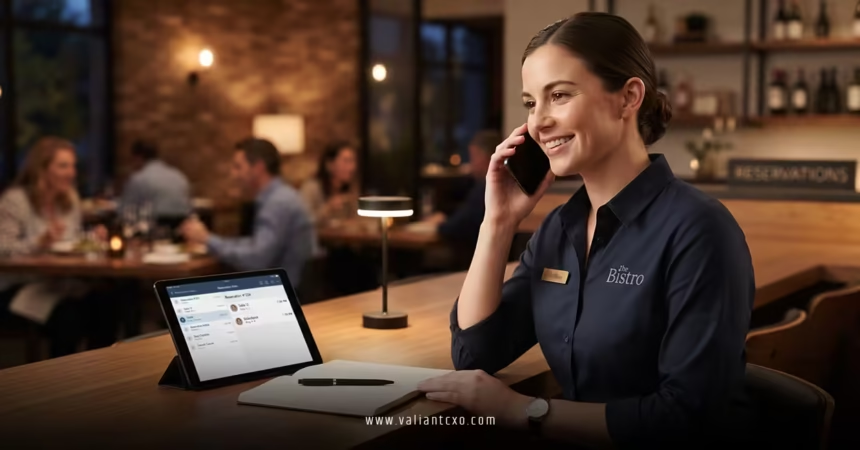
Restaurant Phone Reservation Automation is transforming how busy eateries handle bookings without losing that personal touch. If your staff spends too much time on the phone during rushes or you miss calls when things get hectic, you already know the problem. Reservations slip away, tables sit empty, and your team feels stretched thin.
Restaurant Phone Reservation Automation lets you capture every call, reduce no-shows, and free up staff to focus on what matters most — delivering great experiences in the dining room. In this article, we’re going to be taking a look at Restaurant Phone Reservation Automation, and how you can streamline operations while boosting bookings and customer satisfaction. If you would like to find out more, feel free to read on.
Pic – CC0 License
The Real Cost of Manual Phone Reservations
Every missed or mishandled call means lost revenue. During peak hours, hosts juggle seating, questions, and bookings at the same time. This leads to long hold times, errors in the reservation book, and frustrated guests.
Automation solves these issues 24/7. Modern systems answer instantly, check real-time availability, and confirm details accurately. For restaurant owners in competitive markets, this edge can mean fuller tables and happier teams.
How Restaurant Phone Reservation Automation Works
AI-powered voice systems handle incoming calls naturally. Callers speak normally about party size, time preferences, special requests, or dietary needs. The system understands, checks your booking software, and locks in the reservation.
Most tools integrate directly with popular platforms like OpenTable, Resy, or your POS system. Updates sync instantly so your floor team always sees accurate information. No double bookings. No manual entry errors.
Many systems also send automatic confirmation texts or emails. This simple step cuts no-shows significantly and keeps guests informed about any changes.
Key Benefits for Restaurant Owners
You save staff hours every week. Instead of answering the same questions repeatedly, your team focuses on service, food quality, and building relationships with diners in person.
Automation handles surges perfectly. Busy Friday nights or unexpected events no longer overwhelm your phone lines. The system manages multiple calls at once without stress.
Data from automated bookings gives you useful insights. You learn peak times, popular requests, and customer patterns to improve operations and marketing.
Choosing the Right Automation Tools in 2026
Look for solutions that sound natural and match your restaurant’s voice and style. The best ones learn your menu, policies, and common requests quickly.
Integration matters most. Pick tools that work seamlessly with your existing reservation and point-of-sale systems. Test how easily they handle modifications and cancellations too.
Start small if needed. Many platforms offer easy setup and scalable pricing so you can begin with phone handling and add features later.
For advanced AI voice options tailored to table bookings, explore solutions like Yandex AI-hostess for restaurant table booking calls. These systems bring smart, conversational booking right to your phone lines.
Implementation Tips for Smooth Rollout
Train your team on the new system so everyone understands how it works and when to step in. Clear communication prevents confusion.
Customize greetings and responses to reflect your brand. A warm, welcoming voice builds trust from the first ring.
Monitor calls at the beginning. Review recordings to fine-tune responses and catch any unique requests your system needs to learn.
Combining Automation with Human Touch
The goal isn’t to replace people — it’s to support them. Automation handles routine bookings so your staff can give personal attention to special occasions or complicated requests.
Many restaurants use automated systems for initial calls and route special cases to a manager. This balance keeps efficiency high while preserving hospitality.
Common Challenges and How to Overcome Them
Some owners worry about sounding too robotic. Choose modern AI that uses natural conversation and test it with real callers first.
Data privacy remains important. Select tools that comply with local regulations and protect guest information carefully.
Start with a pilot period. Run the system alongside your current process for a week or two to build confidence.
Real Results Restaurants Are Seeing
Owners report big jumps in captured bookings — sometimes 100% or more during busy periods. Staff morale improves when they’re not chained to the phone.
Fewer no-shows come from timely confirmations and reminders. Better table turnover follows accurate booking data and optimized seating suggestions.
Overall, automation often pays for itself quickly through increased reservations and reduced labor costs on phone duty.
For more on restaurant tech, check practical guides from Restaurant365. Explore integration ideas at Toast. And review industry trends via National Restaurant Association resources.
Getting Started with Restaurant Phone Reservation Automation
Assess your current call volume and pain points first. Then research a few tools that fit your budget and systems.
Set clear goals — whether it’s reducing missed calls, cutting staff phone time, or growing weekend bookings. Track progress weekly as you implement.
We hope that you have found this article enlightening in some way. Restaurant Phone Reservation Automation can give you more control over your bookings and peace of mind during hectic service. Take it step by step, choose tools that fit your style, and enjoy running a smoother, more profitable operation.