Voyager 1 thruster switch backup 2026 turned a quiet October into a real nail-biter for the mission team. For nearly two days the farthest human-made object went silent. Then it spoke again—on its own terms. Here’s the short version of what we know so far:
- On October 18 and 19, 2026, NASA’s Deep Space Network heard nothing from Voyager 1 during scheduled contacts.
- The signal returned on October 20 before engineers could send any troubleshooting commands.
- Telemetry later showed one thruster group had gone offline and the backup set had activated automatically.
- This automatic response is part of the spacecraft’s fault-protection system, designed to keep the probe stable when something looks wrong.
- The root cause is still under investigation.
That sequence of events is what people mean when they talk about the Voyager 1 thruster switch backup 2026.
What the Thrusters Actually Do
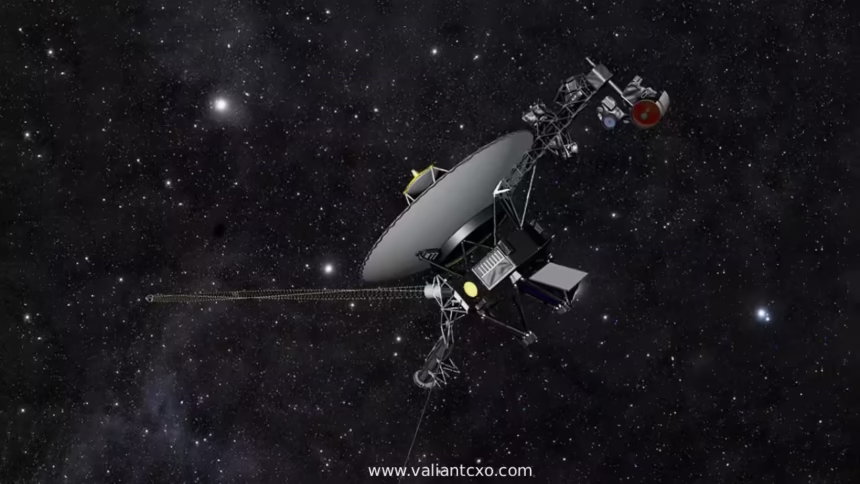
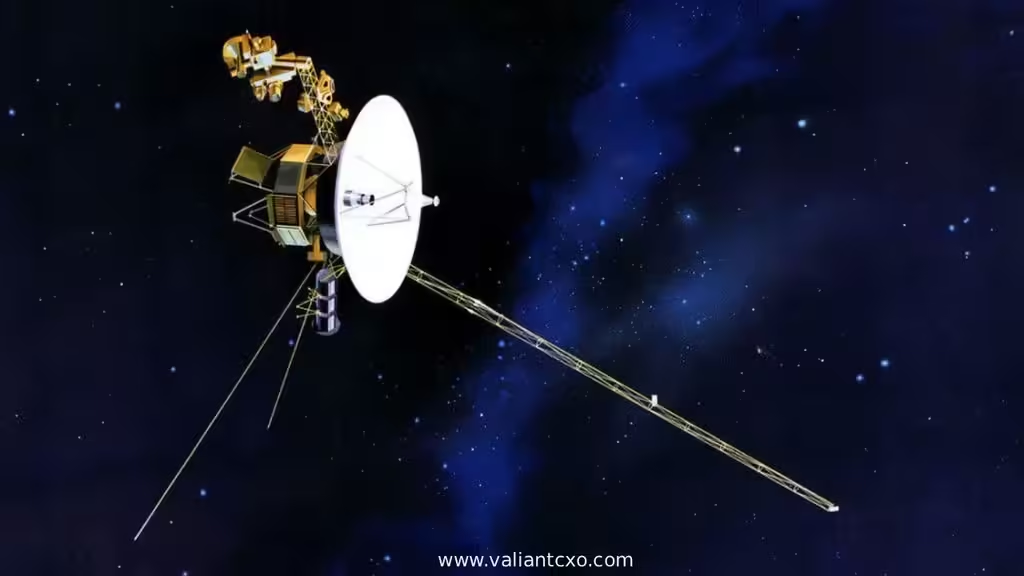
Voyager 1’s thrusters are tiny engines. Their job is simple but non-negotiable: keep the high-gain antenna pointed at Earth and maintain the spacecraft’s orientation. At 16 billion miles out, a slight drift can kill the link. The probe carries multiple thruster groups for exactly this reason. When the computers sense trouble with the active set, they switch to the backups and put the spacecraft into a safe configuration. Operations pause. Engineers get time to figure out the next move.
This isn’t new technology. It’s old, careful engineering that has kept the mission alive for almost five decades. In 2025 the team even revived a set of roll thrusters that had been considered unusable since 2004, precisely so Voyager 1 would have a working backup if residue clogged the primary lines. That foresight paid off.
How the Voyager 1 Thruster Switch Backup 2026 Unfolded
The timeline is tight and public. NASA’s Deep Space Network antennas in California, Spain, and Australia missed the expected signal on the 18th. Same result on the 19th. By the 20th the carrier was back. The team has maintained contact since.
Engineers later confirmed the thruster swap had already happened. The spacecraft’s computers made the call without waiting for instructions from Earth. At this distance a one-way radio signal already takes close to a day. By November 18 it will take a full light-day. Real-time troubleshooting is impossible. The onboard fault protection is the only thing standing between a recoverable glitch and a permanent silence.
Kareem Badaruddin, Voyager mission manager at JPL, put it plainly: this was the first time the team had seen the spacecraft take this particular action. They expected the unexpected. The mission is in that phase now.
Step-by-Step: How Beginners Can Track the Aftermath
If you’re just getting into deep-space missions, here’s a practical way to stay current without drowning in technical papers.
- Start with the official NASA Voyager blog. The October 29, 2026 post is the primary source for the thruster event and the earlier power-saving work.
- Cross-check the distance and signal travel time on the live status pages maintained by JPL. Numbers change slowly but they do change.
- Watch for updates on the remaining science instruments. Two are still running: the magnetometer and the plasma wave subsystem. Everything else has been powered down to stretch the dwindling electricity from the radioisotope generators.
- Note the November 18 light-day milestone. After that date every command and every reply will take 24 hours one way. Planning cycles get longer.
- Follow the investigation language carefully. NASA has not declared the thruster issue resolved. “Still investigating” means exactly that.
That’s the practical tracking loop most of us use.
Common Mistakes People Make When Reading This Story
Voyager 1 thruster switch backup 2026 People often assume the thruster switch caused the silence. It may have. It may have been a symptom of something else. The data released so far does not settle the question. Another frequent error is treating the backup thrusters as a permanent fix. They are a reserve. Residue can build up in any set of propellant lines over decades. The team has already shown they will go to extraordinary lengths to keep options open—see the 2025 revival effort.
A third mistake is underestimating how thin the power margin is. The September “Big Bang” power swap bought time by turning off three devices and substituting lower-power alternatives. Without that work another instrument would have been next on the chopping block by summer 2027. The thruster event arrived right after that major configuration change. Coincidence? Possibly. Worth watching? Absolutely.
Comparison of Recent Voyager 1 Health Events
| Event | Date | What Happened | Outcome | Status as of Early November 2026 |
|---|---|---|---|---|
| Power-saving “Big Bang” | Early September 2026 | Three devices replaced with lower-power versions | Extended instrument life | Complete |
| Thruster group offline | Mid-October 2026 | Primary set stopped; backups activated automatically | Signal lost 48 hours, then restored | Under investigation |
| Instrument shutdown (LECP) | April 17, 2026 | Low-energy charged particles experiment powered off | Power conserved | Permanent |
| One light-day milestone | November 18, 2026 | Distance reaches ~16.09 billion miles | Signal delay becomes 24 hours each way | Approaching |
Why the Voyager 1 Thruster Switch Backup 2026 Still Matters
Voyager 1 thruster switch backup 2026 This is not just another anomaly report. It is a live demonstration of how a 1977 spacecraft still protects itself when the light-time delay makes ground control too slow. The automatic switch bought the team time. The signal came back. Science continues. That sequence is rare and valuable.
In my experience covering long-duration missions, the quiet periods between big headlines are when the real risk accumulates. Power drops a few watts every year. Propellant lines age. Heaters fail. The team keeps finding work-arounds. The thruster event is the latest reminder that the work-arounds still work—for now.
What would I do if I were advising a younger engineer joining the project tomorrow? Read the fault-protection logic first. Understand exactly what triggers a thruster swap and what the spacecraft does next. Then study the power budget line by line. Everything else flows from those two systems.
Key Takeaways
- The Voyager 1 thruster switch backup 2026 was an automatic, onboard response to a detected problem with the active thrusters.
- Contact was lost for roughly 48 hours in mid-October and restored before any ground commands arrived.
- Fault protection is designed for exactly this distance and this age of hardware.
- The root cause remains under investigation; the thruster swap is confirmed but may not be the full story.
- Power margins are tight. The September device swap and earlier instrument shutdowns bought critical time.
- November 18 marks the one light-day milestone—communication latency will permanently increase.
- Two science instruments continue to return data from interstellar space.
- The mission remains active and the team remains prepared for further surprises.
The probe is still out there, still talking, still teaching us how far careful engineering can go. Keep an eye on the official updates. The next chapter is already being written at the speed of light—slowly.
FAQs
What exactly triggered the Voyager 1 thruster switch backup 2026?
NASA has confirmed that one thruster group went offline and the backups activated under fault protection. The underlying reason for the primary set shutting down is still being investigated.
Did the thruster switch cause the 48-hour silence?
It is one of the confirmed events that occurred around the same time. Engineers have not yet stated whether the switch itself produced the loss of signal or whether both were symptoms of a deeper issue.
Is Voyager 1 still using the backup thrusters?
Public information released through early November 2026 indicates the backup set is active following the automatic switch. Ongoing analysis will determine the long-term plan for attitude control.