Modern life has made achievement easier to measure than well-being. Careers are defined by titles, businesses by growth, and success by visible milestones. Yet behind achievement is a quieter question: how can people succeed without losing their health, balance, or sense of self?
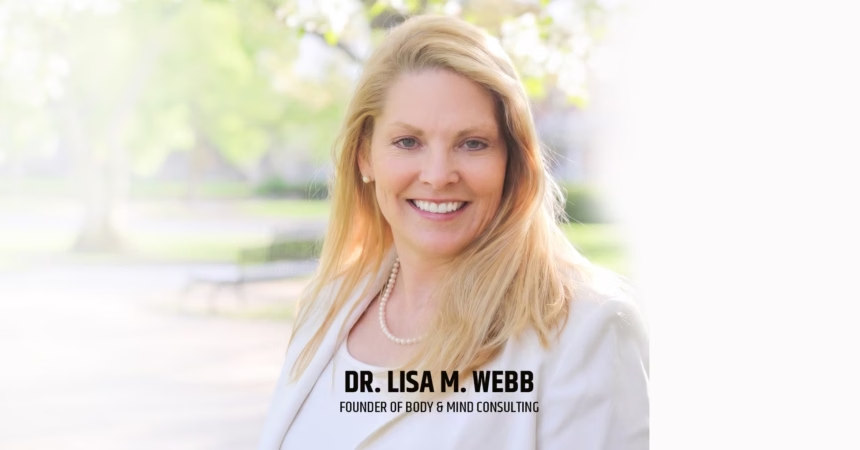
For high-achieving women, that question can become particularly complicated. Sleep, nutrition, hormones, relationships, workplace pressures, executive functioning, past experiences, and leadership responsibilities can all influence how a person thinks, feels, performs, and responds to everyday life. It is this wider understanding of wellness that shapes the work of Dr. Lisa M. Webb, Founder and Clinical Psychologist of Body & Mind Consulting.
Dr. Webb does not view psychological care simply as an exercise in reducing symptoms. Her approach brings together clinical psychology, public health, business, lifestyle, and an appreciation of the environments in which people live and work. Her philosophy is that emotional well-being cannot always be understood by examining one part of a person’s life in isolation.
Looking Beyond Symptoms
Dr. Webb’s interest in psychology began with a fascination with human resilience. Early in her career, she wanted to understand not only why people develop anxiety, depression, or trauma-related disorders, but why some individuals emerge from profound adversity stronger while others continue to struggle despite receiving appropriate treatment.
That curiosity developed into what she now describes as functional and integrative mind wellness. Her clinical experience has shown her that emotional well-being is closely connected to sleep, nutrition, physical health, hormonal changes, stress physiology, executive functioning, meaningful relationships, and purpose. Rather than focusing solely on symptom reduction, she seeks to understand underlying contributors to distress and help people build sustainable strategies for lifelong brain health, emotional resilience, and wellness over time.
Her doctorate in clinical psychology provides foundation for diagnosis and evidence-based treatment. Her Master of Public Health encourages a preventive view of wellness, while her MBA provides insight into leadership, organizational dynamics, executive performance, and workplace stress. Her graduate work in conservation and sustainability reinforces her belief that people, like ecosystems, thrive when internal resources and external environments are in balance.
A Whole-Person Approach
Psychological health is rarely shaped by one factor. Thoughts, emotions, behaviors, relationships, physical health, and environment continually interact. At Body & Mind Consulting, Dr. Webb’s integrative approach reflects that reality.
When clinically appropriate, psychotherapy may be complemented by strategies that support nervous system regulation and overall wellness. Her work can include sleep optimization, nutritional influences on cognitive functioning, movement, stress management, executive functioning strategies, and lifestyle modifications. Complementary tools such as LightStim may also be considered as part of a comprehensive treatment plan rather than as replacements for evidence-based psychotherapy.
This perspective is particularly meaningful in her work with executive women. Some arrive believing they are simply burned out, when several factors may actually be overlapping. Undiagnosed ADHD, chronic stress, hormonal changes associated with perimenopause or menopause, and years of compensatory coping strategies can affect focus, confidence, emotional regulation, and performance. Looking at only one part of that puzzle may miss what is really happening.
The Hidden Cost of Achievement
High achievement can sometimes conceal personal struggles. Dr. Webb sees this among women who have spent decades succeeding academically and professionally while quietly managing executive functioning differences they never understood.
Perfectionism, excessive preparation, overwork, and self-sacrifice can become coping strategies. During hormonal transitions, women who have long felt capable may suddenly question their memory, concentration, emotional regulation, or professional competence.
Dr. Webb’s role is not to tell these individuals to simply work harder. Instead, she helps them understand how their brains function and develop healthier ways of working with themselves. For her, sustainable excellence does not need to come at the expense of well-being.
Rethinking Trauma
Trauma-informed care is another important part of Dr. Webb’s work. She believes trauma should not be limited to catastrophic experiences. While violence and abuse can be deeply traumatic, repeated or cumulative experiences can also leave lasting psychological and physiological effects.
Workplace bullying, organizational betrayal, chronic caregiving, emotional neglect, repeated invalidation, discrimination, medical illness, and perfectionistic family systems can affect a person’s sense of safety and identity. These experiences may unfold gradually, making their impact difficult to recognize even when they continue to influence thoughts, emotions, relationships, and behavior.
This understanding is particularly relevant to executive women who have spent years feeling underestimated or expected to continually prove themselves. Dr. Webb recognizes how workplace dynamics, leadership expectations, neurodevelopmental differences, and hormonal transitions can intersect.
Rather than viewing these responses as personal defects, she helps clients understand them as adaptations to difficult circumstances. Through trauma-informed care and functional mind wellness strategies, the work focuses on restoring regulation, rebuilding confidence, strengthening resilience, and moving beyond survival toward meaningful flourishing.
Compassion in the Therapeutic Relationship
Despite the many disciplines informing her practice, Dr. Webb sees compassion as the foundation of meaningful therapeutic relationships. Before people can change, she believes they need to experience the feeling of being understood rather than judged.
Anxiety, perfectionism, emotional withdrawal, hypervigilance, and overachievement can develop as adaptive responses to difficult environments. Understanding the purpose behind those patterns can replace shame with curiosity and self-criticism with growth.
This message is especially important for people who readily offer compassion to colleagues, family members, employees, and friends but struggle to offer the same kindness to themselves. Dr. Webb encourages clients to recognize that the relationship they have with themselves is the longest relationship they will ever experience.
Wellness That Can Last
Nature demonstrates that healthy systems depend on balance, diversity, adaptation, and resilience. Dr. Webb sees a similar principle in human wellness.
Emotional health cannot be separated from relationships, environment, physical activity, restorative sleep, daily habits, or purpose. Her goal is therefore not simply to help people reduce symptoms, but to help them build lives that are sustainable, fulfilling, and aligned with their values.
For people who hesitate to seek care because they do not consider themselves “sick,” Dr. Webb offers another perspective. Many clients are already highly successful, yet may quietly wonder why maintaining that success suddenly requires so much effort, particularly during midlife.
At Body & Mind Consulting, Dr. Webb creates space to explore brain function, nervous system regulation, relationships, life patterns, and personal goals. She is especially passionate about helping high-achieving executive women navigate late-life ADHD diagnosis, perimenopause, menopause, trauma, leadership challenges, and major life transitions through functional and integrative mind wellness.
Ultimately, Dr. Lisa M. Webb’s work is about helping people understand themselves more fully. By bringing psychology into conversation with biology, environment, leadership, lifestyle, and purpose, she offers a broader view of what wellness can mean.
In a world that often celebrates how much people can accomplish, Dr. Lisa M. Webb brings the focus back to a more meaningful measure of success: building a life that supports the whole person, allows room for resilience and growth, and can be sustained with confidence and purpose.
“True wellness begins when we stop treating people as a collection of symptoms and start understanding the whole person, their experiences, environment, and resilience.”