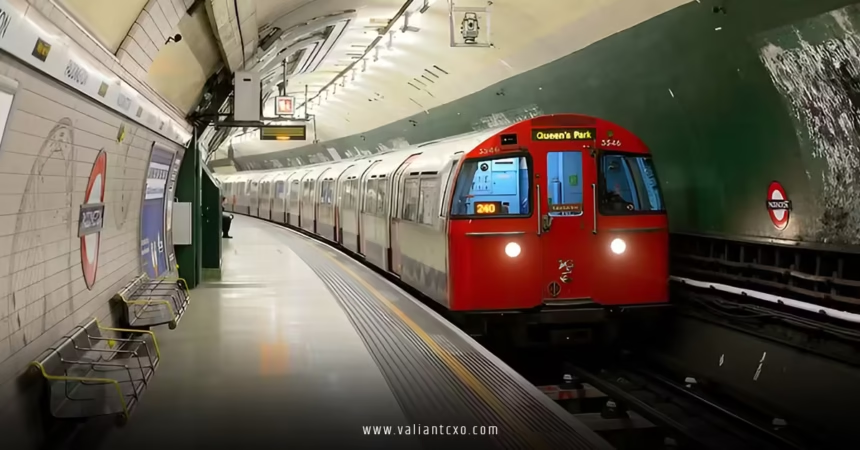
Bakerloo line new trains upgrade is one of the most anticipated projects on the London Underground right now. If you’ve ever squeezed onto a sweaty, rattling Bakerloo train in the height of summer, you’ll know exactly why this matters—those 1972 Stock trains have been soldiering on for over 50 years, making them the oldest fleet in daily use across the UK.
Why the Bakerloo Line New Trains Upgrade Is Long Overdue
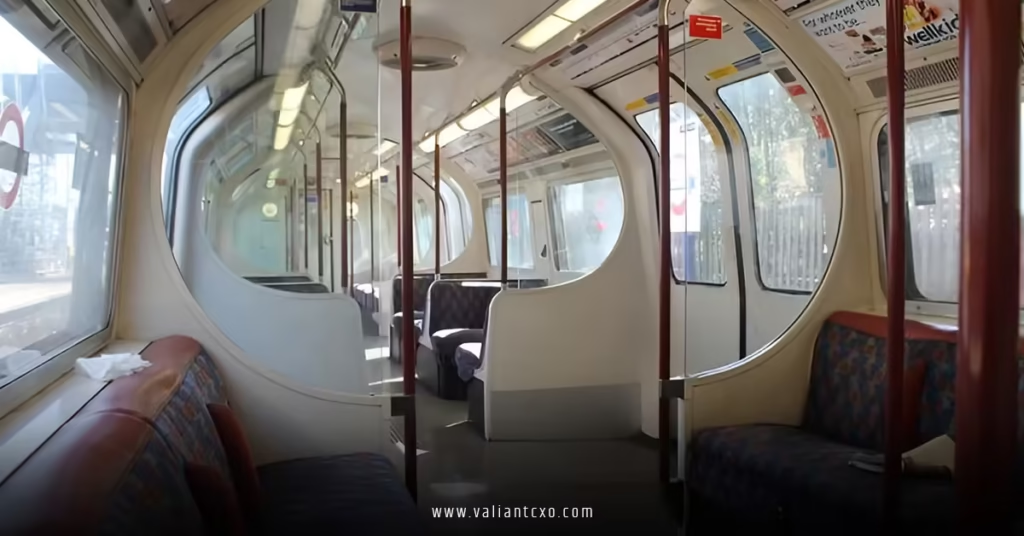
Let’s be honest: the Bakerloo line’s current trains feel like relics from another era. Introduced back in 1972, these carriages were state-of-the-art once upon a time, but today? They’re creaky, unreliable, and notoriously hot. Ever wondered why the Bakerloo feels like a sauna even on mild days? That’s because there’s no air conditioning. Passengers have been putting up with this for decades, and reliability has started slipping too—with fewer trains available during peak hours in recent years.
The Bakerloo line new trains upgrade isn’t just about swapping old for new; it’s about bringing the line into the 21st century. Transport for London (TfL) has been planning this for years, recognizing that without fresh rolling stock, service disruptions could worsen. These old trains are well past their original lifespan, requiring increasingly expensive maintenance just to keep them running. Imagine trying to keep a vintage car roadworthy forever—it works for a while, but eventually, you need an upgrade.
Key Features of the Bakerloo Line New Trains Upgrade
So, what can we expect from the Bakerloo line new trains upgrade? The new fleet, likely built by Siemens Mobility as part of their Inspiro family (the same design powering the upcoming Piccadilly line trains), promises some serious improvements.
First off: air conditioning. Yes, finally! No more melting on your commute to Oxford Circus or Elephant & Castle. These modern trains will feature walk-through carriages, meaning you can move freely from one end to the other—perfect for spreading out during busy times or finding that elusive empty seat.
Accessibility gets a massive boost too. Wider doors, lower floors, and dedicated spaces for wheelchairs will make boarding easier for everyone. Real-time information screens, better lighting, and energy-efficient systems round out the package. And let’s not forget improved reliability—these trains are designed to minimize breakdowns, which means fewer delays for you.
The Bakerloo line new trains upgrade also opens the door to higher frequencies. With new signalling potentially tied in, TfL aims for up to 27 trains per hour during peak times—a 25% capacity increase that could add tens of thousands of extra journeys daily.
Timeline and Progress on the Bakerloo Line New Trains Upgrade
You might be asking: when will this actually happen? The Bakerloo line new trains upgrade has seen some exciting momentum recently. Back in 2025, government funding boosts—around £2.2 billion for capital renewals—gave TfL the green light to push forward with ordering. Siemens, already manufacturing new Piccadilly line trains at their Goole factory in Yorkshire, has a time-limited option in their contract with TfL for Bakerloo replacements.
As of early 2026, planning is well underway, with procurement activities ramping up. If orders are confirmed soon, we could see the first new trains rolling out in the early 2030s, though some reports suggest an accelerated timeline could bring them sooner—potentially by the end of the decade. Supporting infrastructure, like depot upgrades at Stonebridge Park, is also in the works to accommodate the fleet.
Of course, funding remains key. TfL has been vocal about needing sustained government support to avoid delays. But with recent commitments, the Bakerloo line new trains upgrade feels closer than ever.
How the Bakerloo Line New Trains Upgrade Benefits Commuters
Picture this: stepping onto a cool, spacious train instead of cramming into a stuffy box. That’s the everyday reality the Bakerloo line new trains upgrade promises. For daily commuters from Harrow & Wealdstone to Elephant & Castle, it means smoother, more comfortable journeys.
Capacity jumps will ease overcrowding—think fewer people pressed against the doors. Better reliability translates to fewer cancellations, helping you get to work or home on time. And for tourists hopping between Paddington and Lambeth North? A more pleasant ride enhances the whole London experience.
Environmentally, it’s a win too. Newer trains are more energy-efficient, reducing the Underground’s carbon footprint. Plus, with walk-through designs, airflow improves even without full crowds.
The Manufacturing Story Behind the Bakerloo Line New Trains Upgrade
One fascinating angle of the Bakerloo line new trains upgrade is where these trains come from. Siemens Mobility’s factory in Goole isn’t just building for London—it’s boosting jobs across the UK. Hundreds of roles have been created or secured there, with potential for more if the Bakerloo order goes ahead.
This ties into broader economic benefits. Upgrading the Bakerloo supports manufacturing in Yorkshire while improving transport in the capital. It’s a reminder that big infrastructure projects ripple far beyond the tracks.
Bakerloo Line New Trains Upgrade and the Proposed Extension
Often mentioned alongside the fleet replacement is the potential Bakerloo line extension southeast to Lewisham, and possibly further to Hayes. While the Bakerloo line new trains upgrade focuses primarily on replacing the existing fleet, the two projects complement each other.
An extension would unlock massive growth in south London, with new stations along Old Kent Road bringing better connections and spurring housing development. However, the extension faces separate funding hurdles and is considered a longer-term goal. The new trains, though, are essential regardless—preparing the line for future demands.
Challenges Facing the Bakerloo Line New Trains Upgrade
No big project is without hurdles. Funding uncertainty has delayed things in the past, with TfL reliant on government settlements. The old signalling system limits what new trains can achieve without further investment.
There’s also the logistics of introducing a new fleet: testing, driver training, and phasing out the old trains all take time. But TfL’s track record with recent upgrades—like the Piccadilly line—gives confidence they’ll get it right.
What Riders Are Saying About the Bakerloo Line New Trains Upgrade
Commuters are buzzing with excitement. Who wouldn’t want air-con after years of complaints? Social media is full of memes about the “Bakerloo sauna,” and the prospect of modern trains has folks hopeful. Reliability issues have frustrated many, so this upgrade feels like a breath of fresh (cooled) air.
Looking Ahead: The Future After the Bakerloo Line New Trains Upgrade
Once complete, the Bakerloo line new trains upgrade will rejuvenate one of London’s busiest routes. From Queen’s Park to Queen’s Park—wait, no, all the way along its brown-line path—it’ll feel reborn. Higher frequencies, better comfort, and improved access will make it a go-to choice again.
This isn’t just about trains; it’s about making London’s transport network more resilient and passenger-friendly. As the city grows, upgrades like this keep everything moving.
In conclusion, the Bakerloo line new trains upgrade represents a vital step forward for the Underground. By replacing outdated stock with modern, efficient trains, TfL is addressing long-standing issues while preparing for tomorrow’s demands. Commuters deserve reliable, comfortable travel—and this project delivers exactly that. Whether you’re a daily rider or occasional visitor, keep an eye on progress; cooler, smoother Bakerloo journeys are on the horizon. It’s time to get excited—London’s oldest line is finally getting the love it needs.
Frequently Asked Questions About the Bakerloo Line New Trains Upgrade
1. When will the new trains from the Bakerloo line new trains upgrade enter service?
The timeline depends on final orders and funding, but with recent progress, the first new trains could arrive in the early 2030s, potentially sooner if procurement accelerates in 2026.
2. Will the Bakerloo line new trains upgrade include air conditioning?
Absolutely! One of the biggest highlights is proper air cooling, ending the infamous hot and stuffy rides on the current fleet.
3. How many new trains are planned as part of the Bakerloo line new trains upgrade?
TfL aims to replace the existing 36 trains, with options for a full modern fleet featuring walk-through designs and enhanced capacity.
4. Is the Bakerloo line new trains upgrade linked to the line extension?
While they complement each other, the new trains focus on upgrading the current route. The extension to Lewisham is a separate, longer-term project.
5. Who is building the trains for the Bakerloo line new trains upgrade?
Siemens Mobility is the likely manufacturer, producing them at their UK factory in Goole, supporting jobs nationwide.