Basement entertainment ideas can completely revolutionize how you use your home’s most underutilized space. Whether you’re working with a finished basement or a raw concrete jungle, the right entertainment setup transforms this area into your family’s favorite hangout spot and the envy of every neighbor.
Quick Overview:
- Gaming zones with pool tables, foosball, and arcade machines create instant entertainment value
- Home theater setups turn basements into private cinema experiences
- Multi-purpose spaces accommodate everything from workout areas to craft rooms
- Bar areas and snack stations make entertaining effortless and enjoyable
- Creative storage solutions keep entertainment areas organized and functional
Your basement doesn’t need a massive budget to become amazing—it just needs smart planning and creative vision.
Why Basements Make Perfect Entertainment Spaces
Think about it: basements offer something no other room in your house can match. Privacy. Space. And the freedom to make noise without bothering anyone upstairs.
Unlike living rooms where you’re constantly moving things around for different activities, basements can be dedicated entertainment zones. No compromises. No “put that away before dinner” moments. Just pure, unadulterated fun space.
The best part? Basements have this built-in casual vibe that makes everyone relax instantly. There’s something about heading downstairs that signals “time to unwind” in a way that formal spaces never can.
Gaming Paradise: Classic Entertainment Zones
Traditional Game Tables
Pool tables remain the basement entertainment gold standard. They’re conversation starters, skill builders, and surprisingly good for all ages. A quality 8-foot table needs about 13×17 feet of space for comfortable cueing.
Foosball tables bring out everyone’s competitive side. They’re perfect for quick games between other activities and work brilliantly for tournaments. Plus, they take up minimal floor space compared to pool tables.
Air hockey delivers fast-paced excitement that gets people laughing and moving. The sound might seem like a concern, but most modern tables are surprisingly quiet.
Gaming Station Setup
Create dedicated areas for different gaming styles:
- Console gaming corner with comfortable seating and proper TV height
- Retro arcade section with classic pinball or arcade cabinets
- Board game table with good lighting and storage for game collections
- Card game area with felt-top table and chip storage
Pro tip: Position gaming areas to avoid interference. You don’t want pool players bumping into foosball enthusiasts mid-game.
Home Theater Magic: Cinema in Your Basement
Essential Components for Basement Theaters
The beauty of basement theaters lies in controllable lighting and sound. No windows means perfect darkness for daytime movies. Concrete walls actually help with sound insulation.
Screen and projector setup:
- 100-120 inch screens work beautifully in most basements
- Short-throw projectors save space and reduce shadow interference
- Consider painted walls if permanent screens aren’t feasible
Seating arrangements that work:
- Tiered seating using platforms creates stadium-style viewing
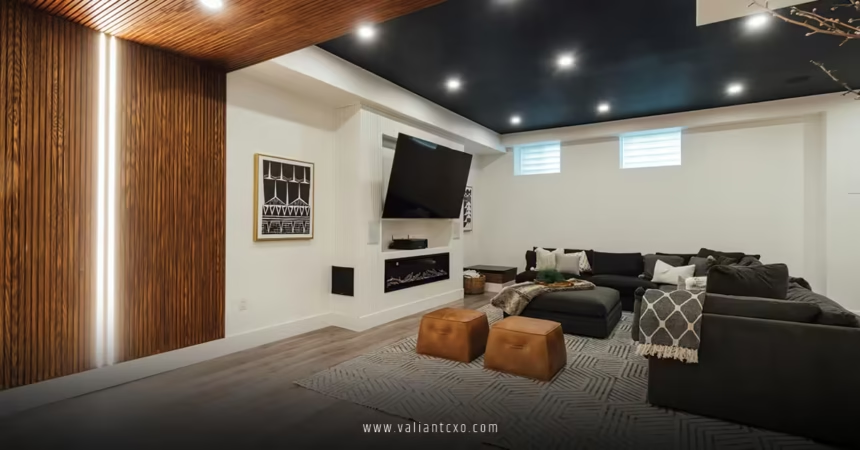
- Sectional sofas with recliners maximize comfort and capacity
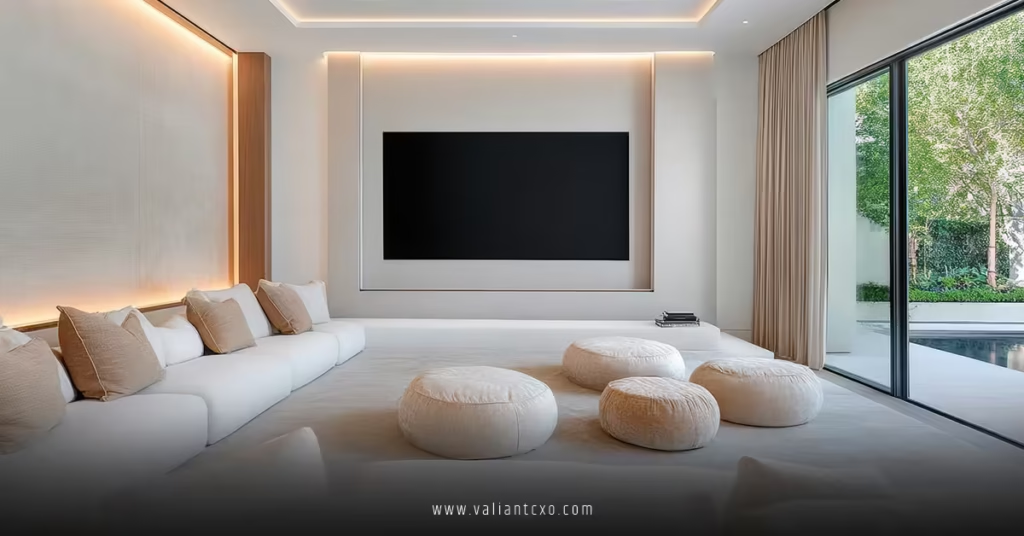
- Bean bags and floor cushions for casual movie nights
- Bar-height seating in back for easy entry/exit
Sound System Considerations
Basements offer unique acoustic advantages. Hard surfaces can create amazing sound experiences with proper speaker placement. Focus on surround sound systems that make dialogue clear while delivering impactful action sequences.
According to the Consumer Technology Association, home theater installations in basement spaces have increased 40% since 2020, largely due to improved projector technology and streaming service quality.
Creative Multi-Purpose Entertainment Ideas
Flexible Space Design
The smartest basement entertainment ideas accommodate multiple activities without major reorganization. Think modular furniture, folding tables, and mobile storage units.
Zone combinations that work:
| Primary Use | Secondary Use | Equipment Needed | Space Requirement |
|---|---|---|---|
| Game Room | Party Space | Folding chairs, mobile bar cart | 200+ sq ft |
| Home Theater | Gaming Lounge | Swivel seating, console storage | 150+ sq ft |
| Workshop | Craft Room | Pegboard storage, fold-down tables | 100+ sq ft |
| Exercise Area | Dance Studio | Mirrors, sound system, mat storage | 120+ sq ft |
Activity Rotation Systems
Smart basement entertainment design allows for seasonal or mood-based activity changes. Summer might emphasize air-conditioned comfort zones. Winter could highlight cozy gaming corners.
Seasonal adaptation strategies:
- Summer: Emphasize cool, comfortable seating and refreshment stations
- Winter: Focus on warm lighting and cozy gathering areas
- Holiday periods: Create space for larger group activities and food service
- School year: Designate homework/study areas that convert to entertainment zones
Bar Areas and Refreshment Stations
Basement Bar Essentials
Nothing elevates basement entertainment like a proper bar area. Even a simple setup makes the space feel more sophisticated and party-ready.
Basic bar components:
- Counter space for drink preparation and serving
- Mini-fridge or beverage cooler for cold storage
- Glass and barware storage (consider unbreakable options)
- Ice maker or dedicated ice storage
- Good task lighting for drink preparation
Snack station integration: Combine your bar area with easy-access snack storage. Think nuts, pretzels, and other foods that complement beverages without requiring constant restocking.
Entertainment-Friendly Food Prep
Basement entertainment works best when food doesn’t require trips upstairs. Consider installing a small sink, microwave, and mini-fridge triangle that handles basic food prep and cleanup.
Smart appliance choices:
- Countertop ice makers eliminate upstairs ice runs
- Wine fridges maintain proper temperatures for entertaining
- Small dishwashers handle party cleanup efficiently
- Microwave/convection combinations heat food quickly
Technology Integration for Modern Entertainment
Smart Home Entertainment Systems
Today’s basement entertainment ideas benefit enormously from integrated technology. Whole-home audio systems, smart lighting, and voice controls make entertainment seamless.
Essential tech upgrades:
- Wireless network boosters ensure strong internet throughout basement areas
- Smart lighting systems adjust mood for different activities automatically
- Whole-home audio connects basement entertainment to house-wide sound systems
- Climate control integration maintains comfort during gatherings
Gaming Technology Evolution
Modern gaming setups go far beyond basic console connections. Consider VR gaming areas, racing simulation setups, or even golf simulators if ceiling height allows.
Space-efficient gaming tech:
- Wall-mounted TVs save floor space for activities
- Wireless gaming controllers eliminate cord management issues
- Compact gaming chairs stack or fold when not in use
- Charging stations keep devices ready for use
According to Entertainment Software Association research, multi-generational gaming spaces in homes have become increasingly popular, with basement installations leading the trend.
Lighting Solutions for Basement Entertainment
Overcoming Natural Light Limitations
Most basements lack adequate natural light, but proper artificial lighting creates amazing ambiance for entertainment. Layer different light sources to accommodate various activities.
Lighting layer strategy:
- Ambient lighting provides overall room illumination
- Task lighting focuses on specific activity areas
- Accent lighting creates mood and visual interest
- Decorative lighting adds personality and warmth
Popular basement lighting solutions:
- Track lighting offers flexibility for changing layouts
- Pendant lights define specific entertainment zones
- LED strip lighting adds modern ambiance without heat
- Table and floor lamps create cozy conversation areas
Color Temperature Considerations
Warm lighting (2700K-3000K) works best for social entertainment areas. Cool lighting (4000K+) suits task-oriented spaces like workshops or exercise areas. Adjustable LED systems let you change mood based on activity.
Storage and Organization Solutions
Entertainment Equipment Storage
Basement entertainment generates lots of equipment: games, controllers, sports gear, movies, and accessories. Smart storage keeps everything accessible while maintaining clean, uncluttered spaces.
Effective storage strategies:
- Built-in shelving maximizes wall space efficiency
- Ottoman storage provides seating plus hidden organization
- Rolling carts move equipment between activity zones
- Wall-mounted racks display and organize sports equipment
- Media cabinets protect electronics while providing easy access
Seasonal Equipment Management
Some entertainment equipment only gets used occasionally. Design storage systems that accommodate seasonal rotation without disrupting daily-use items.
Rotation-friendly storage:
- High shelves for rarely-used items
- Clear bins for easy identification
- Climate-controlled areas for sensitive electronics
- Quick-access zones for frequently-used equipment
Budget-Friendly Entertainment Ideas
DIY Entertainment Solutions
Not every basement entertainment idea requires major investment. Creative DIY projects can deliver significant entertainment value on modest budgets.
Low-cost, high-impact projects:
- Dartboard setup with proper backing and measurement markings
- Card table with built-in cup holders and chip storage
- Movie projection setup using white walls and affordable projectors
- Exercise area with mirrors and equipment storage
- Reading nook with comfortable seating and good lighting
Phased Implementation Strategy
Build your basement entertainment area gradually. Start with one core activity, then add features as budget allows. This approach lets you test what works before making major investments.
Smart phasing approach:
- Phase 1: Basic seating, lighting, and one main entertainment feature
- Phase 2: Add refreshment station and additional seating
- Phase 3: Include technology upgrades and specialized equipment
- Phase 4: Enhance with decorative elements and comfort features
Safety and Comfort Considerations
Essential Safety Features
Basement entertainment areas need proper safety considerations that other rooms don’t face. Address these fundamentals before focusing on fun features.
Safety checklist:
- Adequate egress windows for emergency exit
- Proper ventilation to prevent moisture and air quality issues
- GFCI electrical outlets in all areas
- Smoke and carbon monoxide detectors
- Adequate ceiling height for safe movement (7 feet minimum)
- Non-slip flooring in high-traffic areas
Moisture and Climate Control
Basements face unique climate challenges that can damage entertainment equipment and create uncomfortable conditions for guests.
Climate management essentials:
- Dehumidifiers maintain proper humidity levels year-round
- Proper insulation prevents condensation issues
- Ventilation fans circulate air during gatherings
- Waterproofing protects against flooding damage
The Environmental Protection Agency recommends maintaining basement humidity levels between 30-50% to prevent mold growth while protecting entertainment equipment.
Connecting Entertainment Areas
Flow Between Activity Zones
The best basement entertainment ideas create natural flow between different activity areas. People should move easily from gaming to socializing to refreshments without awkward navigation.
Design principles for good flow:
- Clear pathways between major activity zones
- Central gathering area that connects all other spaces
- Refreshment access from all entertainment areas
- Seating options that face multiple activity zones
Integration with Main House
Smart basement entertainment design connects seamlessly with upstairs living areas. Consider intercom systems, shared audio zones, or even dumbwaiters for easy food and supply transport.
When you’ve perfected your basement entertainment setup, you’ll naturally want to share it with friends. Learning how to host a successful rec room party becomes the perfect next step—transforming your amazing entertainment space into memorable social experiences that bring people together.
Step-by-Step Implementation Guide
Assessment and Planning Phase
- Measure your basement dimensions and identify structural limitations
- Evaluate current electrical, plumbing, and HVAC capacity
- Determine your primary entertainment priorities and budget range
- Create a rough floor plan with major activity zones
Infrastructure Phase
- Address safety, moisture, and climate control issues
- Upgrade electrical service for entertainment equipment needs
- Install proper lighting systems for different activity areas
- Complete any necessary flooring improvements
Entertainment Installation Phase
- Install your primary entertainment feature (pool table, theater, etc.)
- Add seating and furniture for comfort and functionality
- Set up refreshment and storage areas
- Install technology and audio systems
- Add decorative elements and personal touches
Common Mistakes to Avoid
Mistake #1: Underestimating space requirements Fix: Always measure equipment dimensions plus movement space before purchasing. Add 3-4 feet around pool tables, 2-3 feet around seating areas.
Mistake #2: Ignoring moisture control Fix: Address humidity and waterproofing before installing entertainment equipment. Moisture damage is expensive and preventable.
Mistake #3: Poor lighting planning Fix: Layer multiple light sources rather than relying on overhead fluorescents. Entertainment needs different lighting than storage.
Mistake #4: Inadequate electrical capacity Fix: Upgrade electrical service to handle multiple entertainment devices, lighting, and climate control simultaneously.
Mistake #5: Forgetting about ceiling height Fix: Measure carefully—some activities need 8-9 feet of clearance. Plan accordingly or choose alternative entertainment options.
Key Takeaways
- Successful basement entertainment starts with addressing safety, moisture, and comfort fundamentals
- Multi-purpose design accommodates various activities without constant reorganization
- Strategic lighting transforms basement ambiance from utilitarian to entertaining
- Proper storage systems maintain organization while keeping equipment accessible
- Phased implementation allows testing and budget management over time
- Technology integration enhances entertainment value without overwhelming the space
- Flow design creates natural movement between different activity areas
- Budget-friendly DIY options deliver significant entertainment value with creativity
Advanced Entertainment Concepts
Themed Entertainment Areas
Once basic infrastructure is complete, consider developing themed zones that reflect specific interests or design aesthetics.
Popular basement themes:
- Sports bar atmosphere with team memorabilia and pub-style seating
- Retro arcade featuring vintage games and neon lighting
- Industrial modern with exposed elements and contemporary furniture
- Cozy cabin feeling with wood elements and warm lighting
- High-tech gaming center with cutting-edge equipment and sleek design
Seasonal Entertainment Rotation
Design flexibility into your entertainment areas to accommodate changing interests and seasonal preferences throughout the year.
Adaptive entertainment strategies:
- Modular furniture that reconfigures for different group sizes
- Equipment storage that allows activity rotation
- Lighting systems that adjust for seasonal mood changes
- Climate control that maintains comfort year-round
Future-Proofing Your Entertainment Space
Technology and entertainment preferences evolve rapidly. Design flexibility into your basement entertainment area to accommodate future changes without major renovation.
Future-ready design elements:
- Extra electrical capacity for unknown future equipment
- Conduit systems for easy cable and wire updates
- Modular furniture that adapts to changing needs
- Neutral base design that accommodates technology updates
Consider emerging entertainment trends like virtual reality, augmented reality gaming, and smart home integration when planning your space layout and infrastructure.
Conclusion
Basement entertainment ideas offer endless possibilities for transforming underutilized space into your home’s most popular area. Whether you’re drawn to classic gaming, modern technology, or creative multi-purpose designs, the key lies in thoughtful planning that addresses both immediate needs and future flexibility.
Start with safety and comfort fundamentals, then build entertainment features that reflect your family’s interests and lifestyle. Remember that the best basement entertainment areas grow and evolve over time—begin with core elements, then enhance and expand as your vision develops.
Your basement has incredible potential waiting to be unleashed. Start planning your entertainment transformation today.
Frequently Asked Questions
Q: What’s the minimum ceiling height needed for basement entertainment ideas?
A: Seven feet is the absolute minimum for basic activities, but eight to nine feet opens up many more entertainment options like pool tables and active gaming.
Q: How much should I budget for a complete basement entertainment transformation?
A: Basic setups start around $3,000-5,000, while comprehensive entertainment areas can range from $10,000-25,000 depending on features and finishes.
Q: Can I install basement entertainment areas in unfinished spaces?
A: Yes, but address moisture control, insulation, and basic finishing first. Entertainment equipment needs protected, climate-controlled environments.
Q: What entertainment options work best for families with different age groups?
A: Multi-purpose spaces with game tables, comfortable seating areas, and technology zones accommodate everyone from kids to grandparents effectively.
Q: How do I deal with noise concerns from basement entertainment areas?
A: Proper insulation, carpet or rugs, and acoustic panels significantly reduce noise transmission to upper floors while improving sound quality downstairs.