The best time to visit Iran depends on what you want: mild weather, fewer crowds, or epic cultural experiences that stick with you for years. Iran is huge, diverse, and wildly seasonal—snowy mountains, sizzling deserts, lush green north. One “perfect” month for someone else might be a hard pass for you.
Let’s break it down cleanly, so you know exactly when to go and how to plan around climate, crowds, and costs.
Quick Answer: The Best Time to Visit Iran at a Glance
If you just want the fast verdict, here it is:
- Overall best seasons:
- Spring: March–May
- Autumn: late September–early November
- Best for first-timers: mid‑April to late May or mid‑October
- Best for deserts and Yazd/Kerman: October–November and March–April
- Best for ski trips (yes, really): January–March in the Alborz and Zagros mountains
- Best for budget and fewer crowds: Winter (excluding major holidays) and late summer—if you can handle the heat
If you’re planning deeper cultural immersion, pairing your trip with curated iran cultural tour packages for small groups is one of the smartest ways to make the most of those prime seasons.
Iran’s Climate in One Simple Picture
Iran is not a “one-weather” country. It’s more like a continent squeezed into one border.
You’ll find:
- Mediterranean-like weather in some western parts
- Humid subtropical climate along the Caspian Sea
- Arid and semi-arid deserts in central and eastern regions
- Cooler alpine zones in the mountains around Tehran and beyond
What that means in practice: you can be skiing in the morning near Tehran and walking in a sun-drenched bazaar in the afternoon in another region—depending on the season.
Spring (March–May): The Crowd-Pleaser
Spring is widely considered the best time to visit Iran for general travel.
Why Spring Works So Well
- Comfortable temperatures
- Many cities sit in a “just right” range—warm days, cool evenings.
- Central cities like Isfahan, Shiraz, and Yazd are far more pleasant than in peak summer.
- Green landscapes and flowers
- Gardens in Shiraz and Kashan at their best.
- Rural areas and the north around the Caspian feel surprisingly lush.
- Perfect for first-timers
- Easier on your body, easier on your schedule, easier on your planning.
Watch Out For: Nowruz
Nowruz (Persian New Year, around March 20–21) is a huge national holiday that can affect travel:
- Pros: Festive energy, family gatherings, decorated public spaces, cultural events.
- Cons: Higher domestic travel, busier tourist sites, some accommodation booked out weeks in advance.
If you like energy and don’t mind crowds, late March can be magical. If you prefer calmer travel, think mid‑April to late May instead.
Summer (June–August): Hot, But Not Off-Limits
Is summer the best time to visit Iran? For most mainstream travelers, probably not. But it’s not a total no-go.
What Summer Looks Like
- Central and southern Iran (Yazd, Kerman, Ahvaz, Persian Gulf coast) can get very hot, with daytime temperatures frequently soaring.
- Northern regions near the Caspian Sea and higher-altitude towns can be surprisingly pleasant by comparison.
- Tehran and Isfahan can be warm to hot, but manageable if you plan around midday heat.
When Summer Makes Sense
Summer can work if:
- You’re tied to school holidays or fixed annual leave.
- You’re willing to structure your days around early mornings and late afternoons.
- You prioritize cooler or higher regions over central deserts.
Think of it as “strategic summer travel”: not ideal for wandering in the midday sun in Yazd, but good enough if you plan smartly and stay hydrated.
Autumn (September–November): The Other Sweet Spot
Autumn rivals spring as the best time to visit Iran for many serious travelers.
Why Autumn Rocks
- Milder temperatures return after summer, especially from late September onward.
- Desert regions like Yazd and Kerman become comfortable again, ideal for stargazing or desert eco-lodges.
- Clear air and softer light make this a fantastic time for photography lovers.
October in particular is a standout month for balanced weather across many regions.
What to Expect Month by Month
- September: Still warm/hot in central and southern areas, but improving.
- October: One of the strongest all-round months—very popular with small-group cultural tours.
- November: Cooler in higher elevations and northern areas; deserts can be near-perfect.
If your main focus is cultural cities and light adventure—not skiing or extreme landscapes—October is a top contender for the best time to visit Iran.
Winter (December–February): Cold, Quiet, and Underrated
Winter travel in Iran is a niche move, but it has its perks.
Who Winter Works For
- Skiers and snowboarders: Resorts like Dizin and Shemshak near Tehran can have excellent conditions.
- Crowd-averse travelers: Many cultural sites are quieter outside holiday periods.
- Budget-conscious travelers: You can often find more favorable prices on accommodations.
What Winter Feels Like
- Tehran and mountain cities: Cold, sometimes snowy.
- Central desert regions: Cold nights, crisp days.
- Southern coastal areas: Much milder and sometimes surprisingly pleasant.
If your goal is sunny, easy strolling in gardens and historical sites, winter isn’t the best time to visit Iran. If you’re okay bundling up and targeting ski plus city breaks, it can be a smart, off-beat play.
Best Time to Visit Key Regions in Iran
Since climate and experience vary so much, here’s a quick regional breakdown.
Tehran & Alborz Mountains
- Best: April–May, September–October
- Good for skiing: January–March
- Expect a big-city feel with mountain vistas, museums, and lively cafés.
Shiraz & Persepolis
- Best: March–May, October–November
- Summers can get hot, but mornings and evenings still work.
- Spring adds a bonus: beautiful gardens at their peak.
Isfahan
- Best: April–May, late September–October
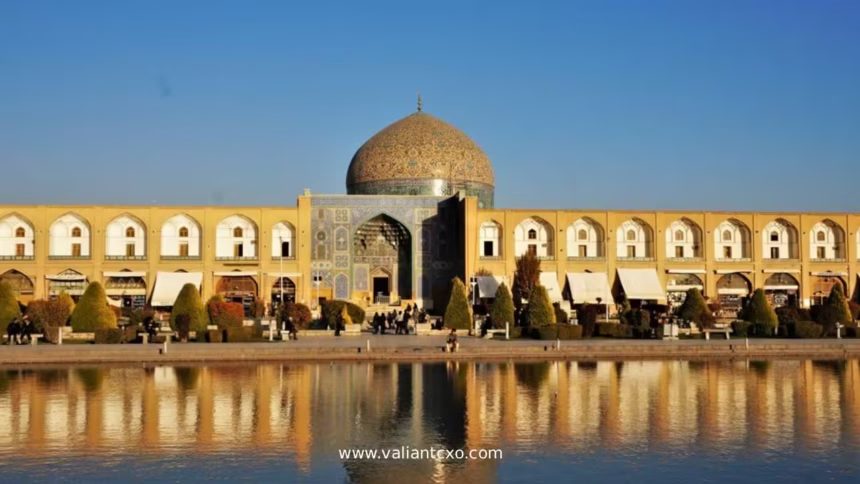
- Mild, photogenic, and ideal for long walks around Naqsh-e Jahan Square and the bridges.
Yazd & Central Deserts
- Best: March–April and October–November
- Avoid high summer if you don’t handle heat well.
- These months give you comfortable nights for desert stays.
Caspian Sea & Northern Iran
- Best: Late spring to early autumn
- Wetter than central Iran, with more greenery and humidity.
- Works well as a “cool-down” segment after hotter central regions.
Matching Your Travel Style to the Best Season
The best time to visit Iran also depends on how you like to travel, not just weather data.
If You Love Culture & History
- Prime seasons: Mid‑April–May and October
- Why: Comfortable temps for walking cities, exploring bazaars, and visiting historical sites without rushing for shade.
If You’re Into Photography
- Prime seasons:
- Spring for soft light, flowers, and greenery
- Autumn for golden tones and clearer skies
- Avoid harsh midday sun in summer central regions; plan dawn and dusk shoots.
If You Want Adventure (Skiing + Cities)
- Prime seasons:
- January–March for ski + city combo (Tehran + Dizin)
- Shoulder seasons for hiking and mild outdoor exploration around mountains and rural areas
If Budget and Fewer Tourists Matter Most
- Prime seasons:
- Winter (excluding major holidays)
- Shoulder weeks around late November and early March
You give up some weather perfection, but gain quieter sites and potential cost savings.

Why Small-Group Cultural Tours Match Peak Seasons So Well
Here’s the kicker: the best time to visit Iran often overlaps exactly with when the best small-group cultural itineraries run.
Operators typically schedule their most popular iran cultural tour packages for small groups in:
- Spring: late March to May
- Autumn: late September to early November
That’s when:
- Weather is comfortable across multiple cities on one route.
- Roads and travel days are easier to manage.
- Outdoor experiences (gardens, villages, desert visits) are genuinely enjoyable, not just tolerable.
If you’re first-time or intermediate-level as a traveler and want a smoother, more immersive experience without doing all the heavy planning yourself, aligning your trip window with these tours makes a lot of sense.
Month-by-Month Snapshot of the Best Time to Visit Iran
Here’s a simple view of what each month is generally good for:
- January–February:
- Great for skiing and winter experiences.
- Cold in many regions; quieter cultural tourism.
- March:
- Transition month; can be lovely, but Nowruz holidays make planning important.
- Book early if traveling around New Year.
- April:
- One of the best months overall—comfortable, colorful, lively.
- Ideal for first-timers and small-group cultural trips.
- May:
- Still very strong across most regions.
- Heat begins to ramp up later in the month in desert areas.
- June–July–August:
- Hot in central and southern Iran; better if you focus on northern mountains and Caspian areas.
- Manageable with strategic planning, but not the easiest introduction to the country.
- September:
- Transitional; early month can be hot, late month improves significantly.
- Good if you’re flexible and don’t mind some warmth.
- October:
- Arguably the single best all-round month for general travel.
- Fantastic blend of comfortable weather and great light for photography.
- November:
- Cool but pleasant, with excellent conditions in many central and desert regions.
- Good choice if you prefer calmer, slightly cooler travel.
- December:
- Start of winter; cold in many areas, but manageable.
- Potential for lower prices and fewer crowds.
Practical Tips for Timing Your Iran Trip
A few things experienced travelers do differently when deciding the best time to visit Iran:
- Check more than just average temperatures
- Look at day vs night ranges, especially for desert stays.
- Think about how you personally tolerate heat or cold.
- Plan around religious and national holidays
- Holidays can bring closures, crowds, or schedule changes.
- With good planning, they can also become a highlight, not a headache.
- Book ahead for prime seasons
- Spring and autumn fill quickly, especially for well-located hotels and popular small-group tours.
- If you want a specific itinerary or style of accommodation, early decisions pay off.
- Build in buffer days
- Don’t try to cram too many cities into a short trip, especially in warmer months.
- A rest day or “light” day in a favorite city can transform how the whole trip feels.
- Align your dates with your priorities
- Culture, photography, skiing, budget, crowds—decide your top two, then choose the season that matches those best.
Key Takeaways
- The best time to visit Iran for most travelers is spring (March–May) and autumn (late September–early November).
- April, May, and October stand out as especially strong months for first-time visits and cultural exploration.
- Summer can work if you prioritize northern and higher-altitude regions, but central deserts will be hot.
- Winter is great for ski enthusiasts and travelers who prefer quieter sites, but expect cold conditions in many areas.
- Weather, crowds, and your travel style all matter—pick based on your personal priorities, not just a generic “best month” list.
- Aligning your trip with well-planned iran cultural tour packages for small groups during spring or autumn can dramatically boost comfort, cultural depth, and overall trip quality.
FAQs about the Best Time to Visit Iran
1. What is the absolute best month to visit Iran?
For most travelers, April or October are the standout months. You get comfortable temperatures across major cities like Tehran, Shiraz, Isfahan, and Yazd, plus great light for photography and easier full-day sightseeing without extreme heat or cold.
2. Is summer a bad time to visit Iran because of the heat?
Not necessarily, but it’s challenging in central and southern regions. Cities like Yazd and Kerman can be very hot in July and August, so summer works best if you focus on cooler northern areas and plan your sightseeing for early mornings and evenings.
3. How far in advance should I book if I’m traveling in peak season?
If you’re visiting in spring or autumn, especially April, May, or October, aim to book 3–6 months in advance. This is particularly important if you want popular routes or specialized options like iran cultural tour packages for small groups, which can sell out early in prime months.