Chinese New Year greetings are the heartbeat of one of the world’s most vibrant festivals. These heartfelt phrases do more than wish someone well—they carry hopes for prosperity, health, and happiness into the new lunar year. Whether you’re celebrating with family, friends, or business partners, knowing the right Chinese New Year greetings can make your words feel warm, authentic, and deeply respectful.
Why Chinese New Year Greetings Matter
Every culture has its way of marking a new beginning, but Chinese New Year greetings stand out because they’re packed with meaning. They’re not casual “happy holidays”—they’re intentional blessings rooted in centuries of tradition. When you share authentic Chinese New Year greetings, you’re participating in a ritual that strengthens bonds and invites good fortune.
Think of these greetings as verbal red envelopes: small but powerful gifts that show you care.
The Most Popular Chinese New Year Greetings
Here are the phrases you’ll hear (and want to use) most often during the Lunar New Year.
1. Xīn Nián Kuài Lè (新年快乐) – Happy New Year
This is the classic, all-purpose greeting. Simple, cheerful, and universally understood, it’s the go-to phrase for everyone from kids to grandparents. Pronunciation: “Shin nee-an kwai luh.”
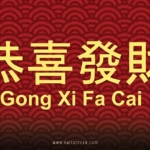
2. Gōng Xǐ Fā Cái (恭喜发财) – Wishing You Prosperity
Perhaps the most famous of all Chinese New Year greetings, this one focuses directly on wealth and success. It’s especially popular in business settings because it conveys ambition and good fortune. For professionals navigating cross-cultural relationships, understanding the gong xi fa cai business greeting meaning can give you a real edge—it’s more than a greeting; it’s a strategic wish for thriving partnerships.
3. Wàn Shì Rú Yì (万事如意) – May All Your Wishes Come True
A beautiful, all-encompassing blessing that wishes smooth sailing in every aspect of life. You’ll often hear this one later in conversations as a thoughtful follow-up.
4. Shēn Tǐ Jiàn Kāng (身体健康) – Good Health
Health is wealth in Chinese culture, especially after recent global challenges. This greeting has grown even more meaningful in modern celebrations.
5. Cái Yuán Gǔn Gǔn (财源滚滚) – May Wealth Flow In
A playful yet powerful wish for abundant financial success—like a river of prosperity rolling toward you.
How to Pronounce Chinese New Year Greetings Correctly
Pronunciation matters. A small effort goes a long way in showing respect.
- Gōng Xǐ Fā Cái → “Gong shee fah tsai” (rising tone on “xi” and “cai”)
- Xīn Nián Kuài Lè → “Shin nee-an kwai luh”
- Wàn Shì Rú Yì → “Wahn shee roo ee”
Practice a few times—it’s worth it. Your effort will be noticed and appreciated.
When and How to Use Chinese New Year Greetings
Timing makes these greetings special.
- New Year’s Eve and Day 1: Stick to core phrases like Xīn Nián Kuài Lè and Gōng Xǐ Fā Cái.
- Days 2–15: Broader blessings like Wàn Shì Rú Yì become more common.
- With elders: Always greet first as a sign of respect.
- In writing: Use the full Chinese characters when possible—texts, cards, or social media posts look more elegant.
Chinese New Year Greetings in Business and Professional Settings
In professional contexts, Chinese New Year greetings take on extra weight. A well-timed Gōng Xǐ Fā Cái in an email or meeting can strengthen client relationships and signal cultural awareness. Many companies send branded cards or digital greetings featuring these phrases.
As mentioned earlier, the gong xi fa cai business greeting meaning runs deeper than a simple translation. It’s a deliberate invocation of prosperity that resonates strongly in commerce. Using it thoughtfully can set the tone for successful collaborations in the year ahead.
Regional Variations of Chinese New Year Greetings
While Mandarin dominates globally, regional dialects offer their own flavors:
- Cantonese: Kung Hei Fat Choi (same meaning as Gōng Xǐ Fā Cái)
- Hokkien: Xin Nian Kuai Le or Keong Hee Huat Chye
- Teochew: Similar variations with local pronunciation
Knowing your audience’s dialect adds a personal touch.
Modern Ways to Share Chinese New Year Greetings
Today’s celebrations blend tradition with technology:
- WeChat red envelopes paired with voice messages
- Animated e-cards with auspicious phrases
- Social media posts using festive stickers and hashtags
Digital greetings keep the spirit alive across distances.
Common Mistakes to Avoid
- Using Gōng Xǐ Fā Cái after the first few days (it’s most appropriate early in the festival)
- Pronouncing it as “Gong Hai Fat Choy” in Mandarin-heavy contexts
- Overusing wealth-focused greetings with people you don’t know well—balance with health or happiness wishes
The Deeper Meaning Behind Chinese New Year Greetings
These aren’t just words—they’re acts of generosity. Each greeting carries positive energy meant to shape the recipient’s year. In a culture that values harmony and mutual goodwill, sharing sincere Chinese New Year greetings creates ripples of positivity.
Conclusion
Chinese New Year greetings are a beautiful way to connect, celebrate, and invite good fortune. From the joyful Xīn Nián Kuài Lè to the prosperous Gōng Xǐ Fā Cái—and its powerful role in professional settings—these phrases offer something for every relationship. This Lunar New Year, take a moment to learn, practice, and share them. Your warmth will be returned tenfold.
FAQs
What is the most common Chinese New Year greeting?
Xīn Nián Kuài Lè (Happy New Year) is the safest and most widely used.
When should I stop saying Chinese New Year greetings?
Traditionally, greetings continue through the 15-day festival, ending with the Lantern Festival.
Is Gōng Xǐ Fā Cái only for business contexts?
No—it’s used with family and friends too, though its focus on wealth makes it especially fitting professionally.
How do I respond to Chinese New Year greetings?
Return the same greeting or say “Nǐ yě shì” (you too) with a smile.
Can I use English alongside Chinese New Year greetings?
Absolutely—many people write “Happy Lunar New Year & Gōng Xǐ Fā Cái!” for clarity and warmth.