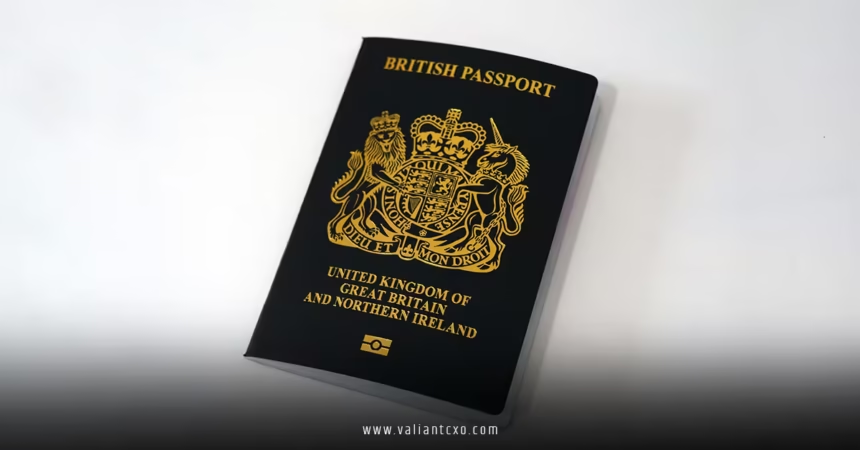
Dual British Citizens Must Use British Passport to Enter UK from February 2026 :
Hey there, if you’re a dual British citizen—maybe you hold British nationality alongside Australian, Canadian, American, EU, or another passport—this upcoming change might just throw a wrench in your travel plans. Dual British citizens must use British passport to enter UK from February 2026, and it’s not just a gentle suggestion from the Home Office. Starting 25 February 2026, this becomes a strict enforcement tied to the UK’s new Electronic Travel Authorisation (ETA) system. Imagine showing up at the airport excited for a family visit or holiday, only to be denied boarding because your go-to foreign passport no longer cuts it. Frustrating, right? But don’t panic—let’s break it down step by step so you’re prepared.
Why Dual British Citizens Must Use British Passport to Enter UK from February 2026: The Big Picture
Dual British Citizens Must Use British Passport to Enter UK from February 2026 : The UK has been rolling out its ETA scheme gradually, a digital pre-approval system similar to the US ESTA or Australia’s ETA. It’s designed for visitors from around 85 visa-free countries who want to stay up to six months. The goal? Streamline borders, boost security, and create a more digital, contactless experience.
British and Irish citizens (including dual nationals) are exempt from needing an ETA because they have an automatic right of abode. Sounds great—until you realize the flip side. Airlines and carriers now perform pre-departure checks. If you book with a non-British passport from a visa-exempt country, the system expects an ETA. But as a British citizen, you can’t apply for one. Boom—technical mismatch. That’s why dual British citizens must use British passport to enter UK from February 2026 to avoid being flagged and potentially refused boarding.
Previously, many dual nationals happily used their foreign passport for convenience (cheaper renewals, no extra paperwork). The Home Office advised using a British one for months, but enforced it softly during transition. That grace period ends sharply on 25 February 2026.
How the Change Works in Practice for Dual Nationals
Picture this: You’re a British-Australian living in Sydney, planning a trip home to London. In the past, you’d whip out your Aussie passport—easy check-in, no fuss. From 25 February 2026, if that’s your only document presented, the airline’s system sees “Australian national, no ETA” and red-flags you. Even if you have proof of British citizenship tucked away, it’s too late—carriers face fines for letting ineligible passengers board.
Dual British citizens must use British passport to enter UK from February 2026 to sail through smoothly. At the border, you present your valid UK passport, zip through e-gates or passport control as a citizen—no extra questions, no delays.
What if you don’t have a valid British passport? Options include:
- Renew your British passport (around £94.50 online for adults—quick and straightforward).
- Apply for a Certificate of Entitlement (COE) to the right of abode, which attaches to your foreign passport (but costs £589 and takes longer—ouch!).
Trying to wing it with just your foreign passport? Expect additional identity checks at the border, delays, or even being turned away until citizenship is verified.
Who This Affects: Common Dual Nationality Scenarios
This hits hardest for dual nationals in non-visa countries like:
- Australia
- Canada
- New Zealand
- United States
- Many EU countries
Think of the millions with British-EU ties post-Brexit, or British-Commonwealth citizens abroad. If you’re a British-Canadian popping over for Christmas, or a British-American visiting family, dual British citizens must use British passport to enter UK from February 2026 applies to you—no exceptions.
Irish-British duals get a slight pass (Irish passports work too), but most others need that British document.
What Happens Before 25 February 2026?
Good news: If you’re traveling on or before 24 February 2026, transitional rules still apply. You can likely board using a valid passport from a non-visa national country. But why risk it? Many are already rushing to renew British passports to beat the deadline.
The Home Office has been crystal clear: “We strongly advise dual British citizens to make sure they have a valid British passport or Certificate of Entitlement, to avoid problems like being denied boarding.”
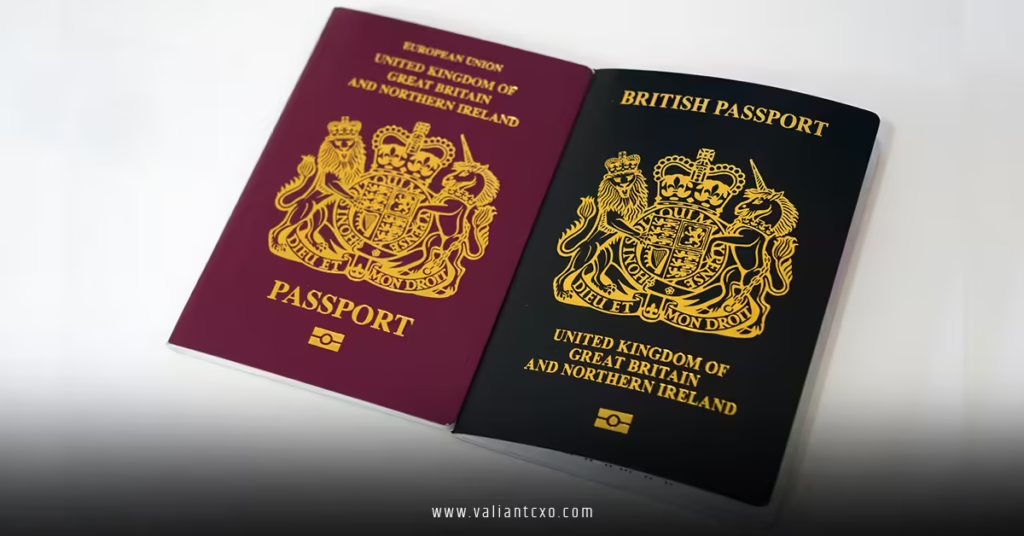
Steps to Prepare: Your Practical Checklist
Feeling overwhelmed? Here’s a straightforward plan:
- Check your British passport status — Is it valid? If expiring soon, renew now (processing can take weeks).
- Apply online via the official HM Passport Office—it’s cheaper and faster than a COE.
- Book flights wisely — Use your British passport details when reserving to avoid system glitches.
- Carry both passports — Handy for round trips (show foreign one where needed abroad).
- Stay informed — Rules can evolve, so check official sources regularly.
Think of this like updating your phone’s OS before a big trip—annoying upfront, but it saves headaches later.
Potential Challenges and Real Stories
I’ve heard from dual nationals frustrated by the costs and hassle. One person might say: “Why pay £100 to renew when my Aussie one is fine?” But the reality is border tech has caught up. Airlines won’t risk fines, so they’re enforcing strictly.
Some even consider extreme steps like renouncing British citizenship (costly at around £482, and you lose rights). Most experts say: Just get the passport—it’s the simplest fix.
Broader Impacts on Travel and Tourism
This shift aligns with global trends toward digital borders. It might streamline entry for genuine visitors while preventing misuse. For UK tourism, it could mean smoother flows once everyone adjusts.
But for dual citizens, it’s a reminder: Citizenship perks come with responsibilities.
For more details, check these trusted sources:
- House of Commons Library briefing on British citizens using non-British passports
- GOV.UK guidance on Electronic Travel Authorisation for dual citizens
- Home Office ETA factsheet
Conclusion: Don’t Get Caught Out—Act Now
Dual British Citizens Must Use British Passport to Enter UK from February 2026 : In summary, dual British citizens must use British passport to enter UK from February 2026 due to full ETA enforcement. This ends the old flexibility, but with a valid British passport (or COE), you’ll avoid delays, denials, and stress. Renew early, book smart, and travel confidently. Your right to enter the UK is rock-solid—make sure your proof is too. Safe travels, and here’s to smoother journeys ahead!
FAQs
1. Why do dual British citizens must use British passport to enter UK from February 2026?
It’s linked to the ETA system rollout. Dual citizens can’t get an ETA, so using a foreign passport causes mismatches at pre-departure checks, risking denied boarding.
2. Can I still use my foreign passport after February 2026 if I’m a dual British citizen?
No—dual British citizens must use British passport to enter UK from February 2026 (or have a Certificate of Entitlement). Foreign passports alone won’t work without extra verification.
3. What if my British passport is expired before February 2026?
Renew it ASAP! Transitional rules apply until 24 February 2026, but post-deadline, an invalid one leads to issues.
4. How much does it cost to comply with dual British citizens must use British passport to enter UK from February 2026?
A standard adult British passport renewal is about £94.50 online. A Certificate of Entitlement costs £589—much pricier.
5. Does this rule apply to British-Irish dual citizens?
Irish passports are accepted too, so Irish-British duals have flexibility. But for other nationalities, dual British citizens must use British passport to enter UK from February 2026.