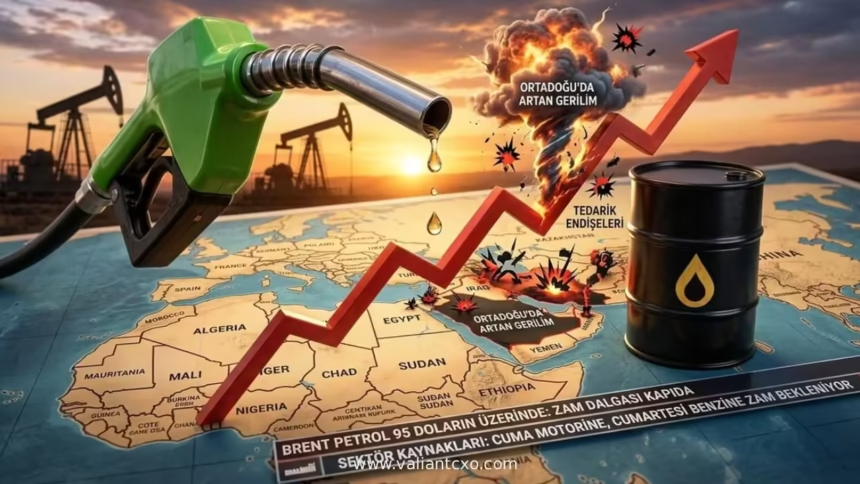
Global Oil Chokepoints Explained Global oil markets depend on a handful of narrow maritime passages known as chokepoints. These strategic waterways carry a large share of the world’s seaborne crude oil and petroleum products. Disruptions at any one of them can quickly ripple into higher prices, longer shipping times, and supply concerns for importers.
Roughly 60–75% of global oil trade moves by sea, and a significant portion of that volume must pass through these constrained routes. Understanding the major oil chokepoints is essential for anyone following energy security, geopolitics, or commodity markets.
What Are Oil Chokepoints?
Global Oil Chokepoints Explained Oil chokepoints are narrow channels, straits, or canals along major shipping routes where vessel traffic is concentrated and alternatives are limited or costly. Their importance stems from three factors:
- High daily volumes of oil and products
- Geographic constraints (width, depth, or length)
- Limited practical bypass options
Even temporary closures or heightened risks can force tankers onto longer routes, raising freight costs and insurance premiums while tightening supply in key markets.
The World’s Most Important Oil Chokepoints
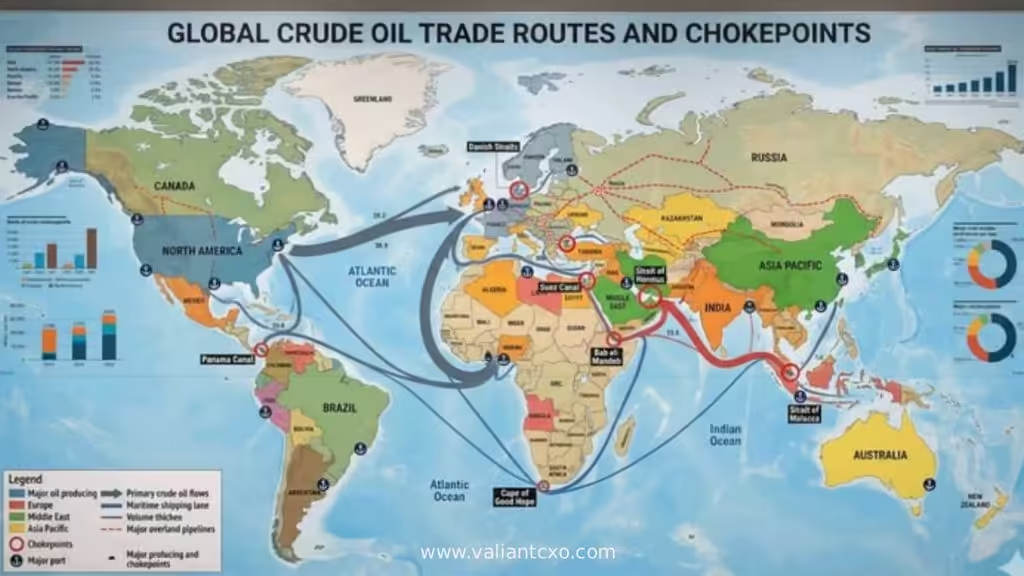
Based on recent U.S. Energy Information Administration (EIA) and tanker-tracking data (primarily first-half 2025 baselines before major regional disruptions), here are the leading oil transit chokepoints by volume:
| Chokepoint | Approximate Volume (mb/d) | Share of Maritime Oil Trade | Key Connections |
|---|---|---|---|
| Strait of Malacca | 23.2 | ~29% | Indian Ocean ↔ South China Sea / Pacific |
| Strait of Hormuz | 20.9 | ~26% | Persian Gulf ↔ Gulf of Oman / Arabian Sea |
| Cape of Good Hope | 9.1 | ~11% | Alternative route around Africa |
| Danish Straits | 4.9 | ~6% | Baltic Sea ↔ North Sea |
| Suez Canal & SUMED Pipeline | 4.9 | ~6% | Red Sea ↔ Mediterranean |
| Bab el-Mandeb | 4.2 | ~5% | Red Sea ↔ Gulf of Aden |
| Turkish Straits | 3.7 | ~5% | Black Sea ↔ Mediterranean |
| Panama Canal | 2.3 | ~3% | Atlantic ↔ Pacific |
Volumes are approximate and based on available 2025 data; actual flows fluctuate with production, demand, and geopolitical events.
1. Strait of Malacca – The Busiest by Volume
Global Oil Chokepoints Explained Located between Malaysia, Indonesia, and Singapore, the Strait of Malacca is the primary route for Middle Eastern and African oil heading to East Asia. It handles the highest volume of any chokepoint. Alternatives via the Lombok or Sunda Straits add significant distance and cost, making congestion or security issues here particularly impactful for China, Japan, South Korea, and other Asian importers.
2. Strait of Hormuz – The Most Strategically Critical
The Strait of Hormuz, between Iran and Oman, is the only maritime exit from the Persian Gulf. It routinely carries around one-fifth of global oil consumption and roughly a quarter of seaborne oil trade under normal conditions. Most oil from Saudi Arabia, Iraq, Kuwait, the UAE, and Qatar that is not moved via limited pipelines must transit this strait. A large share of global LNG (especially from Qatar) also passes through it.
Because practical bypass capacity is limited (Saudi Arabia’s East-West Pipeline and UAE pipelines to Fujairah can handle only a fraction of normal flows), the Strait of Hormuz remains the highest-stakes oil chokepoint. Monitoring Strait of Hormuz oil traffic today is essential for understanding real-time risks to global supply, as volumes can shift rapidly with regional tensions, naval escorts, or changes in exporter routing strategies.
3. Suez Canal, SUMED Pipeline, and Bab el-Mandeb
Global Oil Chokepoints Explained These form a linked corridor connecting the Red Sea to the Mediterranean and beyond. The Suez Canal shortens the Asia–Europe route dramatically compared with sailing around Africa. The SUMED Pipeline allows larger tankers to offload and reload on either side. Bab el-Mandeb serves as the southern gateway. Recent years have seen sharp volume swings here due to security risks in the Red Sea, with many vessels diverting around the Cape of Good Hope.
4. Other Notable Chokepoints
- Cape of Good Hope: Not a classic narrow chokepoint, but a critical alternative route that absorbs diverted traffic when Suez or Red Sea paths face problems.
- Turkish Straits (Bosporus and Dardanelles): Key for Black Sea exports, including Russian oil and products.
- Danish Straits: Important for Baltic Sea oil and product movements.
- Panama Canal: Handles smaller but strategically relevant volumes between the Atlantic and Pacific, subject to water-level constraints.
Why These Chokepoints Matter for Energy Security
Global Oil Chokepoints Explained Concentrated flows mean that a blockage or sustained threat at even one major chokepoint can:
- Spike oil prices through risk premiums and actual supply tightening
- Force longer voyages (adding weeks and higher fuel/insurance costs)
- Strain refining systems and product markets downstream
- Amplify geopolitical tensions as major importers (especially in Asia) and exporters respond
Asia receives the majority of oil leaving the Strait of Hormuz, making East and South Asian economies particularly exposed. Europe and other regions feel secondary effects through price transmission and diverted cargoes.
Looking Ahead
Global Oil Chokepoints Explained While emerging Arctic routes may eventually offer seasonal alternatives, the classic maritime chokepoints will remain central to global oil trade for the foreseeable future. Diversification of export pipelines, strategic petroleum reserves, and shifts toward other energy sources can reduce vulnerability, but geography continues to dictate that a few narrow waterways carry outsized influence over the world’s energy system.
Staying informed about volumes and risks at these locations—particularly Strait of Hormuz oil traffic today—helps traders, policymakers, and businesses anticipate potential market moves.
Global oil markets depend on a handful of narrow maritime passages known as chokepoints. These strategic waterways carry a large share of the world’s seaborne crude oil and petroleum products. Disruptions at any one of them can quickly ripple into higher prices, longer shipping times, and supply concerns for importers.
Global Oil Chokepoints Explained Roughly 60–75% of global oil trade moves by sea, and a significant portion of that volume must pass through these constrained routes. Understanding the major oil chokepoints is essential for anyone following energy security, geopolitics, or commodity markets.
Key Takeaways
- The Strait of Malacca is the busiest oil chokepoint by volume (~23.2 million barrels per day), while the Strait of Hormuz is the most strategically critical (~20.9 million barrels per day under normal conditions).
- Together, Hormuz and Malacca handle over half of global maritime oil trade.
- Most Persian Gulf oil has limited alternatives to the Strait of Hormuz, making it uniquely vulnerable.
- Recent Red Sea security issues shifted significant volumes to the longer Cape of Good Hope route.
- Monitoring Strait of Hormuz oil traffic today provides real-time insight into global supply risks and price volatility.
- Disruptions at any major chokepoint can raise freight costs, insurance premiums, and oil prices worldwide.
Frequently Asked Questions (FAQs)
What is the most important oil chokepoint in the world?
The Strait of Hormuz is generally considered the most critical due to its high volume and lack of full alternatives. The Strait of Malacca carries more oil by volume but has slightly better rerouting options.
How much oil passes through the Strait of Hormuz daily?
Under normal conditions, approximately 20–21 million barrels per day of crude oil and petroleum products. Actual volumes can drop significantly during periods of heightened tension. Checking Strait of Hormuz oil traffic today gives the most current picture.
What happens if the Strait of Hormuz is closed?
Oil prices would likely surge. Only a portion of Persian Gulf exports could be rerouted via existing pipelines (mainly Saudi Arabia’s East-West Pipeline and UAE pipelines to Fujairah). Many producers would face severe export constraints.
Why has traffic around the Cape of Good Hope increased?
Security risks in the Red Sea (affecting Bab el-Mandeb and the Suez Canal) have forced many tankers to take the longer route around southern Africa.