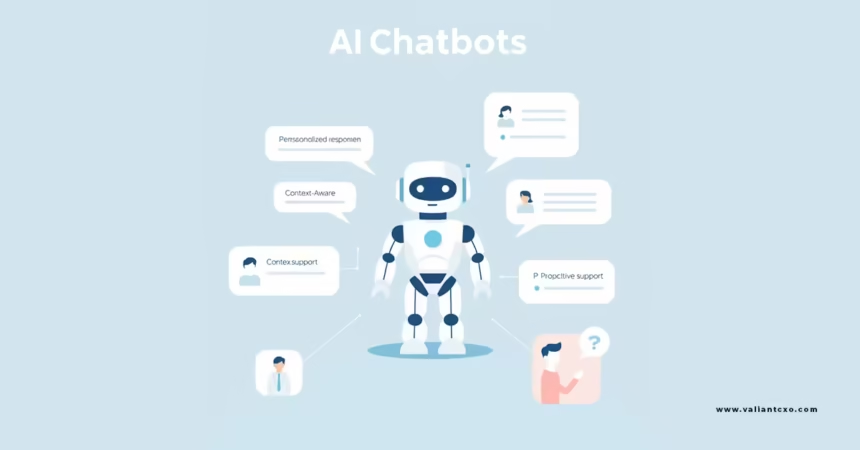
HMRC AI chatbot access taxpayer chat history rules 2026 are rewriting the relationship between the taxman and anyone who types a tax question into ChatGPT, Copilot, or HMRC’s own GOV.UK Chat tool. Here’s the blunt version: HMRC is pushing for expanded powers to request digital records tied to how you calculated your tax figures — and that can include your AI chat logs.
Quick rundown before we go deep:
- HMRC’s proposed reforms (via the Finance Bill 2026-27) would widen its ability to demand digital records, including AI-assisted calculations.
- There’s no blanket right for HMRC to read your private chatbot conversations — it still needs a lawful basis and a genuine reason tied to your tax position.
- Ignoring an information request can trigger penalties starting at £300 and climbing to £3,000.
- GOV.UK Chat, HMRC’s own AI tool, is a separate thing entirely — and it’s not always accurate either.
- Self-employed workers, landlords, and small business owners face the most real-world exposure here.
Why Is This Suddenly a Big Deal?
More people are leaning on AI for tax prep than you’d think. According to a Lloyds Banking Group study, over 28 million UK adults — roughly 56% of the adult population — have used AI tools for personal finance, budgeting, or tax-related questions.
That’s a massive behavioral shift, and HMRC noticed. If a freelancer asks ChatGPT how to split home-office expenses, and that number ends up on a tax return, HMRC wants the ability to ask: how did you arrive at that figure?
That’s the engine driving the HMRC AI chatbot access taxpayer chat history rules 2026 debate. It’s not really about banning AI. It’s about audit trails.
What the Proposed Reforms Actually Say
The reforms are expected to take effect following Royal Assent to the Finance Bill 2026-27. They update HMRC’s existing information powers so the agency can access relevant records stored in digital systems — including records showing how financial figures were calculated, whether that’s a spreadsheet, accounting software, or an AI chat session.
Here’s the kicker, though: this isn’t a backdoor into everyone’s private conversations. HMRC still needs a lawful basis, and the request must be “reasonably required” to check someone’s tax position. Fishing expeditions aren’t the intent — at least not officially.
HMRC AI Chatbot Access Taxpayer Chat History Rules 2026 — Who’s Actually Exposed?
Not every taxpayer should be losing sleep over this. The people with genuine exposure are:
- Self-employed individuals and sole traders using AI to calculate deductible expenses
- Landlords using chatbots to work out rental income tax implications
- Small business owners running invoices and bookkeeping through AI-powered software
- Financial service providers, software vendors, and intermediaries who store client data
If you asked an AI tool a generic question like “what’s the personal allowance this year,” you’re not exactly a prime target. It’s the calculation trail — not casual curiosity — that matters most.
GOV.UK Chat vs Third-Party AI Tools: What’s the Actual Difference?
This is where people get confused, understandably. GOV.UK Chat is HMRC’s own government-built chatbot, launched in May 2026. It pulls only from published GOV.UK guidance — not HMRC’s internal manuals, and not the open internet.
Third-party tools like ChatGPT or Copilot are a different animal entirely. They’re not government-controlled, and their outputs aren’t vetted against HMRC’s rulebook.
| Feature | GOV.UK Chat (HMRC-linked) | Third-Party AI Tools (ChatGPT, Copilot, etc.) |
|---|---|---|
| Data source | Official GOV.UK guidance only | General internet training data |
| Identity verification needed? | No, but requires a GOV.UK One Login | No |
| Tested accuracy rate | ~90% claimed by government testing; lower in LITRG’s own tax-specific tests | Varies widely, unverified |
| Could HMRC request your chat history? | Potentially, under a lawful request | Potentially, under a lawful request |
| Replaces human HMRC agents? | No — human agents remain part of the process | No official connection to HMRC staff |
The Low Incomes Tax Reform Group tested GOV.UK Chat directly and found some answers genuinely solid, others misleading — including one case where the tool wrongly implied gifting a house to a sibling wouldn’t trigger capital gains tax. That’s not a small slip. That’s the kind of answer that costs someone real money.
Step-by-Step: Protecting Yourself Under the New Rules
If you use AI for anything tax-related, here’s what I’d actually do:
- Treat every AI chat like a draft, not a final answer. Verify figures against official HMRC guidance before filing anything.
- Keep your own paper trail. Don’t rely solely on chat history — export or screenshot key calculations somewhere you control.
- Avoid typing sensitive identifiers. Don’t paste National Insurance numbers or full account details into a chatbot “just to be thorough.”
- Ask a human for anything complex. Capital gains, inheritance tax, and cross-border income are not beginner-AI territory.
- Respond promptly if HMRC does request information. Missing deadlines is what triggers the escalating penalties — not the AI usage itself.
- Review HMRC’s privacy notice periodically. It outlines exactly how and when HMRC applies AI and automated decision-making to your data.
Common Mistakes & How to Fix Them
People trip over the same handful of issues here. Worth flagging them plainly.
Mistake: Assuming AI output is legally accurate. Fix: Cross-check anything numeric against gov.uk guidance or a qualified adviser before it touches your return.
Mistake: Thinking HMRC can read all your chats right now. Fix: It can’t — not without a lawful basis and a reasonable connection to a tax enquiry. The reform expands scope; it doesn’t grant unlimited access.
Mistake: Ignoring an information request because “it’s just a chatbot conversation.” Fix: Respond within the deadline. Penalties start at £300 and escalate fast for inaccuracies that go unreported.
Mistake: Over-sharing personal data in casual AI chats. Fix: Keep sensitive numbers out of the conversation entirely. Think of it like talking in a crowded café — assume someone might overhear.
Mistake: Treating GOV.UK Chat as a substitute for professional advice. Fix: Use it as a signpost to the right guidance page, not as the final word on your situation.
Key Takeaways
- HMRC AI chatbot access taxpayer chat history rules 2026 expand — but don’t unlock — HMRC’s ability to request digital records tied to your tax calculations.
- A lawful basis and a genuine connection to your tax position are still required before HMRC can demand chat logs.
- Penalties for ignoring information requests start at £300 and can rise to £3,000.
- Self-employed people, landlords, and small business owners face the most practical exposure.
- GOV.UK Chat is a separate, government-built tool — not a shortcut around HMRC’s human review process.
- Independent testing shows AI tax answers, including from government tools, can still be wrong or misleading.
- Keeping your own records and verifying AI output remains entirely your responsibility.
- Responsiveness to HMRC, not AI usage itself, is what actually triggers financial risk.
Here’s the honest takeaway: AI isn’t the villain in this story, and HMRC isn’t about to start reading everyone’s ChatGPT history for fun. What’s actually shifting is accountability. If a number on your return traces back to an AI conversation, assume it could be scrutinized one day — and keep your records tidy enough to explain it without breaking a sweat.
The smartest move right now? Use AI as a research assistant, not an accountant. Verify anything that touches money against HMRC’s own guidance, and keep a human in the loop for anything beyond the basics.
FAQs
Does HMRC currently have the legal right to read my private AI chatbot conversations?
Not automatically. Under the proposed HMRC AI chatbot access taxpayer chat history rules 2026, HMRC needs a lawful basis and a genuine connection to checking your tax position before it can request that kind of record.
Is GOV.UK Chat connected to HMRC’s enforcement powers?
No — GOV.UK Chat is a separate, guidance-focused tool launched in 2026 that pulls from published GOV.UK content. It doesn’t grant HMRC special access to your conversations with other AI platforms.
What happens if I ignore an HMRC request related to AI-assisted tax calculations?
You risk an initial penalty of £300, rising to as much as £3,000 if inaccuracies go unreported under the information powers tied to the HMRC AI chatbot access taxpayer chat history rules 2026 reforms.