Your diamond engagement ring is more than just jewelry—it’s a daily reminder of one of life’s biggest promises. But after months (or years) of wear, that once-blinding sparkle often fades under layers of lotion, soap scum, skin oils, and everyday grime. The good news? You don’t need expensive ultrasonic machines or professional trips every few weeks to restore its brilliance. Learning how to clean diamond engagement rings at home is straightforward, safe, and surprisingly satisfying when done right.
In this complete guide, we’ll walk you through the most effective, jeweler-approved methods that bring back maximum shine without risking damage to your precious stone or setting. We’ll also touch on popular DIY hacks—like the viral how to clean wedding rings with bicarbonate of soda and white vinegar Mrs Hinch method—and explain when they’re a smart choice versus when to stick to gentler options. Whether your ring is a classic solitaire, halo, or pave style, these tips will help keep it looking showroom-fresh.
Why Regular Cleaning Matters for Diamond Engagement Rings
Diamonds might be the hardest natural substance on Earth, but they still get dirty. Everyday culprits like hand cream, cooking oils, makeup, and even your own skin’s natural oils create a filmy layer that dulls light reflection. Over time, trapped debris under the setting can loosen prongs or cause irritation on your finger.
Experts recommend cleaning your engagement ring at home every 1–2 weeks for light maintenance and every few months for a deeper refresh. Pair this with a professional check-up every 6–12 months to inspect prongs and rhodium plating (especially on white gold). Regular care prevents bigger issues and keeps your diamond performing at its brilliant best.
The Safest and Most Recommended Method: Mild Dish Soap and Warm Water
When jewelers and gemologists share their top tip for how to clean diamond engagement rings at home, they almost always point to this simple, foolproof approach. It’s gentle, effective, and works on nearly every diamond ring regardless of metal type (yellow gold, white gold, platinum, rose gold).
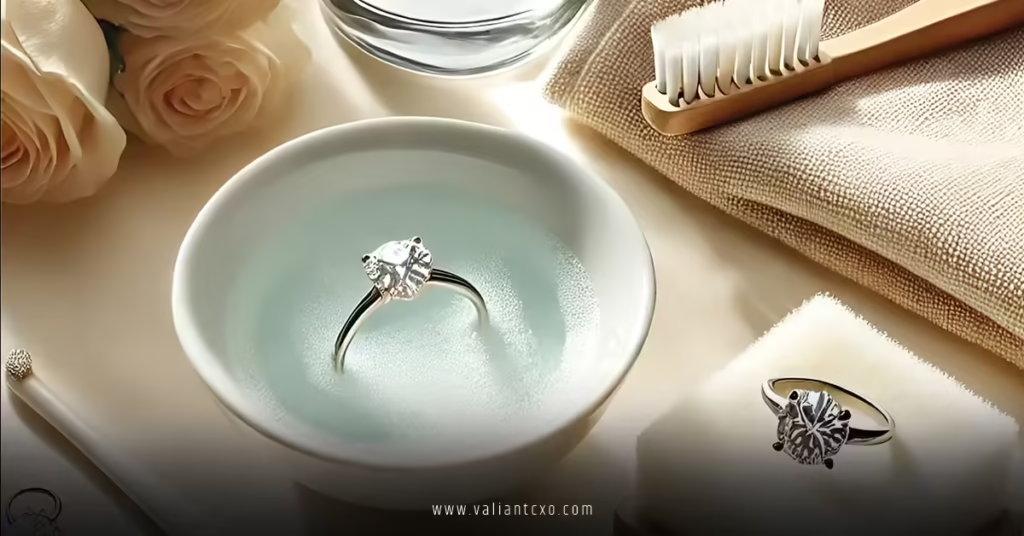
What you’ll need:
- Warm (not hot) water
- A few drops of mild dish soap (Dawn is a favorite among pros because it cuts grease without harsh additives)
- A soft-bristled toothbrush (baby or new makeup brush works great)
- A small bowl
- Lint-free microfiber cloth
Step-by-step process:
- Fill a bowl with warm water and add a couple of drops of dish soap. Swirl to create light suds.
- Remove your ring and let it soak for 20–40 minutes. This loosens built-up residue without any scrubbing yet.
- Dip the soft toothbrush in the soapy water and gently brush the diamond (top and underside), prongs, and band. Focus on crevices where dirt hides—be light-handed to avoid scratching softer metals.
- Rinse under lukewarm running water. Use a sink strainer if you’re worried about dropping it!
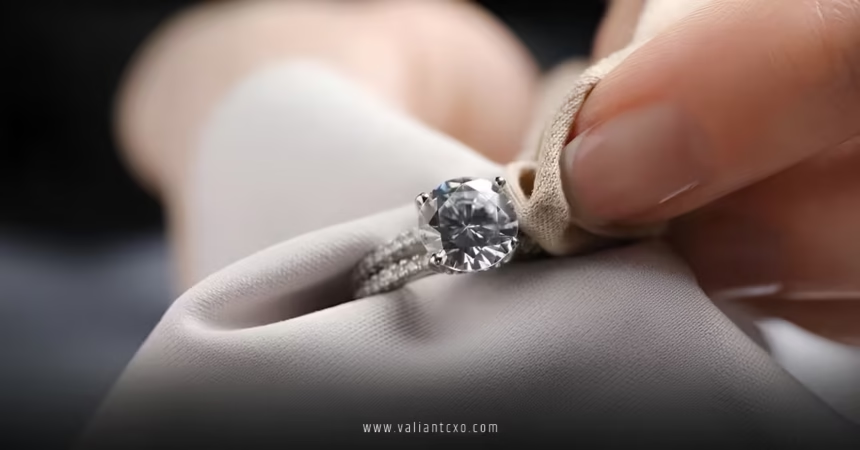
- Pat dry immediately with a microfiber cloth. For extra shine, buff gently in circular motions.
This method removes 90% of everyday dullness and is safe for diamonds and most settings. Do it weekly, and your ring will thank you.
Can You Use the Mrs Hinch Hack? Exploring Bicarbonate of Soda and White Vinegar
One hugely popular natural method floating around social media is how to clean wedding rings with bicarbonate of soda and white vinegar Mrs Hinch style. Cleaning sensation Sophie Hinchliffe (Mrs Hinch) has shown stunning before-and-afters of rings revived with this fizzy combo, and many people swear by it for gold or silver bands.
Quick recap of the Mrs Hinch method:
- Mix white vinegar (about ½ cup) with bicarbonate of soda (2 tablespoons) in a bowl—it fizzes dramatically!
- Submerge your jewelry and soak for 2–3 hours (or overnight for heavy buildup).
- Rinse thoroughly and dry with a soft cloth.
The fizzing reaction lifts grime and oils effectively, often leaving pieces looking brand new for pennies. But is it ideal for diamond engagement rings?
Diamonds themselves are tough and unaffected by mild acids like vinegar. Many sources confirm vinegar + baking soda can safely clean diamonds without etching the stone. However, experts urge caution:
- The mixture’s acidity might affect certain metals (like rhodium-plated white gold) or cause minor tarnish over repeated use.
- Baking soda can be mildly abrasive if you scrub too hard, potentially scratching softer settings.
- For intricate pave diamonds or delicate prongs, the fizz might not reach everywhere as gently as soap.
If your ring is a simple solitaire on solid gold or platinum, this hack can work wonderfully as an occasional deep clean. For everyday use or more complex designs, stick to the soap method first. Always test on a small area and rinse extremely well.
Other Effective Home Cleaning Options to Try
Beyond the basics, here are a few more proven ways to refresh your diamond engagement ring:
Hydrogen Peroxide Boost
Add a capful of 3% hydrogen peroxide to your soapy soak for extra antibacterial power and shine. It’s safe for diamonds but skip if your ring has colored stones or pearls.
Commercial Jewelry Cleaner Dips
Non-toxic, diamond-safe solutions (available online or at jewelers) offer a quick 5–10 minute dip followed by brushing. Great for busy weeks.
Avoid These Common Mistakes
- No toothpaste, lemon juice, or bleach—they’re too abrasive or acidic.
- Skip boiling water (thermal shock can loosen stones).
- Don’t use paper towels (they leave lint and micro-scratches).
- Never ultrasonic clean at home without jeweler approval if your ring has pave or fragile settings.
How Often Should You Clean and When to Go Pro?
- Weekly light clean: Soap + water soak and gentle brush.
- Monthly deep clean: Longer soak + detailed brushing.
- Every 6 months: Professional ultrasonic or steam clean + prong inspection.
If your diamond looks cloudy even after home efforts, or if prongs feel loose, book a jeweler visit ASAP. Many offer free cleanings with purchase history.
Final Thoughts on Keeping Your Diamond Sparkling
Mastering how to clean diamond engagement rings at home doesn’t require fancy tools—just consistency and care. The mild dish soap method remains the gold standard for safety and results, while natural options like how to clean wedding rings with bicarbonate of soda and white vinegar Mrs Hinch add fun variety for simpler pieces. A few minutes of maintenance keeps your ring catching light (and compliments) for decades.
Your engagement ring tells a love story every day—give it the glow it deserves. Grab that dish soap tonight and watch the magic happen!
For more expert advice:
- Brilliant Earth: How to Clean a Diamond Ring
- The Knot: Clean Your Diamond Ring at Home
- GIA: Diamond Care and Cleaning
FAQ :
1. Is Dawn dish soap really safe for cleaning diamond engagement rings at home?
Yes! It’s one of the most recommended options by jewelers because it cuts through oils without harsh chemicals or abrasives.
2. How often should I clean my diamond engagement ring at home?
Aim for a quick clean every 1–2 weeks and a deeper one monthly to maintain maximum sparkle and prevent buildup.
3. Can I use how to clean wedding rings with bicarbonate of soda and white vinegar Mrs Hinch method on my diamond engagement ring?
It can work well for occasional deep cleans on solid gold/platinum solitaires, but use cautiously on white gold or intricate settings—soap and water is gentler for regular use.
4. Will home cleaning damage my diamond or loosen the stone?
When following gentle methods like soap soaks and soft brushing, no. Avoid abrasives, extreme temperatures, and harsh chemicals to keep settings secure.
5. What’s the difference between at-home cleaning and professional cleaning for diamond engagement rings?
Home methods handle surface grime beautifully, while pros use powerful ultrasonic/steam tools for deep crevices and inspect/tighten prongs.