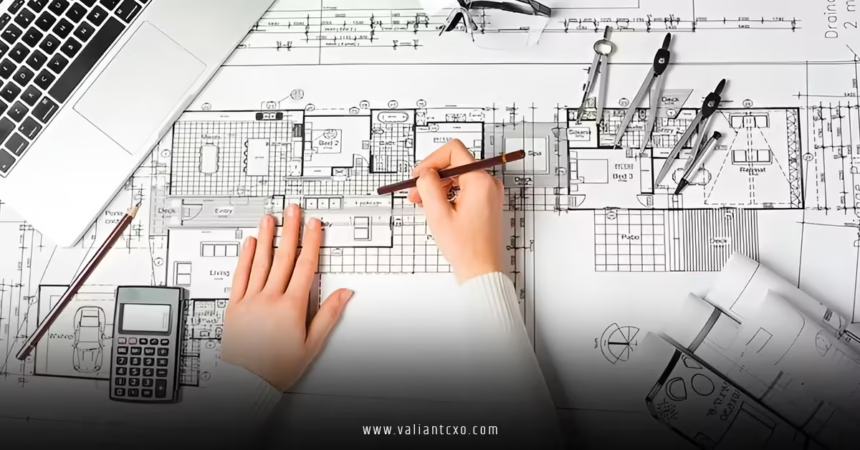
HVAC – if you’ve ever stepped into a sweltering attic during a summer reno or shivered through a drafty new office, you know this little acronym packs a punch. Standing for Heating, Ventilation, and Air Conditioning, HVAC isn’t just some jargon tossed around by hard-hat pros on construction sites; it’s the invisible hero keeping our spaces livable, breathable, and downright cozy. Picture it like the lungs and heartbeat of a building – pumping fresh air, regulating temps, and warding off that clammy discomfort that can turn a dream home into a nightmare. As someone who’s geeked out over blueprints and chased down leaky ducts in my own DIY disasters, I can tell you: understanding HVAC transforms how you approach any construction project. It’s not optional; it’s essential. Let’s dive in, shall we? By the end, you’ll be chatting HVAC like a seasoned contractor, ready to make smarter calls on your next build.
What Does HVAC Stand For? Breaking Down the Basics
Ever catch yourself staring at a blueprint, scratching your head at all those abbreviations? You’re not alone – construction lingo can feel like a secret code. But HVAC? That’s one you want to crack wide open early. At its core, HVAC represents three intertwined systems: Heating, which warms things up when Jack Frost knocks; Ventilation, the unsung wizard circulating air to keep things fresh and mold-free; and Air Conditioning, your summer savior battling humidity and heat waves.
Think of HVAC as a symphony orchestra. The heating section belts out warmth through furnaces or boilers, the ventilation winds weave in fresh breezes via ducts and fans, and the AC strings cool everything down with chillers and coils. Without this harmony, buildings turn chaotic – too hot, too cold, or stuffy as a forgotten gym bag. In construction, HVAC isn’t bolted on at the end; it’s woven in from the foundation up, influencing everything from wall placements to roof pitches.
Why does this matter to you, the homeowner or budding builder? Because a solid grasp on HVAC saves you from costly regrets. I’ve seen folks pour thousands into fancy facades only to skimp on HVAC, ending up with skyrocketing energy bills and allergy attacks. Get it right, and you’re not just comfortable; you’re efficient, healthy, and eco-friendlier. According to industry pros, a well-designed HVAC system can slash energy use by up to 30%. That’s real money in your pocket, not to mention a nod to the planet.
The Crucial Role of HVAC in Modern Construction
Let’s get real: in the wild world of construction, HVAC isn’t a luxury – it’s the backbone. Imagine erecting a skyscraper without plumbing; chaos, right? Same vibe with HVAC. From residential flips to massive commercial complexes, this system dictates indoor air quality, occupant health, and even building codes. Ever wonder why new offices feel so crisp and invigorating? Blame (or thank) the HVAC engineers who planned it meticulously.
In construction timelines, HVAC planning kicks off during the design phase. Architects and engineers crunch numbers on load calculations – factoring in square footage, insulation, sun exposure, and occupancy – to size the system just right. Undersize it, and your AC chugs like an overworked barista; oversize, and you’re wasting juice on cycles that never fully kick in. For beginners, here’s a pro tip: always loop in a certified HVAC specialist early. Their expertise turns vague sketches into a symphony of efficiency.
But HVAC’s impact stretches beyond comfort. It’s a health guardian, filtering out pollutants and pathogens – think COVID-era upgrades that became permanent fixtures. In humid zones, it combats moisture that breeds mold; in arid spots, it adds humidity to prevent dry-air woes like cracked skin or static shocks. And let’s not forget energy codes: modern builds must meet stringent standards, like those from Energy Star, pushing HVAC toward smarter, greener designs. Trust me, ignoring this in construction? It’s like building a boat without a rudder – you’ll drift into expensive fixes.
Why HVAC Matters for Sustainability in Construction
Sustainability isn’t buzz; it’s the future, and HVAC is front-row. With climate change cranking up extremes – hotter summers, wilder winters – energy-efficient HVAC systems are non-negotiable. Heat pumps, for instance, double as heaters and coolers, using electricity to move heat rather than burn fuel, cutting emissions by half compared to old-school gas furnaces. In 2025 construction projects, expect to see more of these bad boys, integrated with solar panels for net-zero dreams.
I’ve chatted with builders who swear by HVAC’s role in green certifications like LEED. It scores big on points for ventilation efficacy and refrigerant choices – no more ozone-munching coolants, thanks to global regs. For you? It means homes that whisper “eco-warrior” without screaming “pricey.” Rhetorical nudge: Why settle for yesterday’s tech when tomorrow’s HVAC can make your build a carbon-cutting champ?

Key Components of an HVAC System: A Deep Dive
Alright, let’s geek out on the guts of HVAC. No fluff – these parts are the workhorses, each with a starring role in keeping your space Goldilocks-perfect (not too hot, not too cold, just right). Understanding them demystifies quotes from contractors and empowers you to spot shoddy installs.
Heating Elements: The Warm Embrace
Heating is HVAC’s cozy core. In colder climes, it’s all about furnaces – gas or electric beasts that ignite or coil up to blast hot air through ducts. Boilers? They’re the water-heating cousins, piping steam or hot water to radiators for that gentle, even warmth. Ever felt the difference? Furnaces roar to life fast but can dry the air; boilers sip energy for steady comfort.
Pro analogy: Think of a furnace as a campfire – quick and fierce – versus a boiler’s slow-burning hearth. In construction, placement matters: central units hide in basements, while ductless minis split for zoned control in additions. Fun fact: Modern HVAC heating now leans on variable-speed blowers, adjusting output like a dimmer switch for whisper-quiet operation and bill-slashing savings.
Ventilation Systems: Breathing Life into Builds
Ventilation – ah, the breath of fresh air in HVAC. It’s not just fans whirring; it’s strategic airflow via ducts, vents, and exhausts that swap stale indoor air for crisp outdoor goodness. Mechanical ventilation, like ERVs (Energy Recovery Ventilators), recapture heat or coolness from outgoing air, a genius hack for efficiency.
Why obsess over this in construction? Poor ventilation breeds “sick building syndrome” – headaches, fatigue, you name it. Codes mandate minimum fresh air exchanges, especially in tight-sealed modern homes. I’ve retrofitted old basements where forgotten vents turned spaces into saunas; lesson learned: integrate HVAC ventilation from framing stage, with dampers for room-specific tweaks. It’s like giving your home lungs that actually work out.
Air Conditioning Units: Cooling the Heat
AC, the crown jewel of summer survival in HVAC setups. Central systems use outdoor compressors to chill refrigerant, which absorbs indoor heat via evaporator coils – magic, right? Window units or split systems offer budget-friendly alternatives for smaller builds.
In construction, AC sizing is king: too small, and it sweats bullets without dehumidifying; too big, short-cycling wastes energy. Enter SEER ratings (Seasonal Energy Efficiency Ratio) – higher numbers mean cooler heads (and wallets). Trends? Inverter tech modulates compressors for steady cooling, ditching the on-off clatter. Picture your AC as a vigilant bouncer, evicting heat before it crashes the party.
Installing HVAC in Construction: Step-by-Step Insights
Installation day – the HVAC climax in any build. It’s not slap-and-dash; it’s precision engineering. Start with site surveys: assessing layout, electrical loads, and refrigerant lines. Ductwork lays the foundation, snaking through walls and ceilings like hidden highways.
Contractors then mount the core units – furnace in utility closets, condenser outside on pads. Wiring ties into smart thermostats for app-controlled bliss. Timeline? In a standard home, expect 3-5 days, but delays hit if ducts clash with plumbing. My advice? Budget 10-15% of total costs for HVAC install – skimping here echoes through resale value.
Common pitfalls? Ignoring insulation around ducts, leading to 20% efficiency loss. Or mismatched components – gas furnace with electric AC? Mismatch city. Hire NATE-certified techs (North American Technician Excellence) for peace of mind. Post-install, commissioning tests balance airflow, ensuring your HVAC hums like a well-oiled machine.
Zoning and Ductless Options for Custom Builds
Not all HVAC installs are one-size-fits-all. Zoning divides homes into micro-climates via dampers, letting you crank the bedroom without overheating the den. Ductless mini-splits? Game-changers for additions or retrofits, piping cooled air directly without invasive ducts.
In 2025 constructions, these shine for flexibility – think open-plan lofts where one zone chills the kitchen while another warms the lounge. Costlier upfront? Sure, but ROI via energy savings pays off in 5-7 years. Ever zoned a space? It’s like having a personal climate concierge.
Maintenance Mastery: Keeping Your HVAC in Top Shape
You wouldn’t run a marathon in worn sneakers – same with HVAC. Regular TLC extends life from 15 to 25 years, dodging $5K+ replacements. Start simple: swap filters quarterly, like changing oil in your car. Clogged ones choke airflow, spiking bills 15%.
Annual pro tune-ups? Non-negotiable. They clean coils, check freon levels, and calibrate for peak performance. Spot red flags: weird noises (bearings crying), uneven temps (duct leaks), or musty smells (mold alert). In humid areas, dehumidifier add-ons prevent coil icing.
DIY vs. pro? Handle basics, but leave electricals to experts – safety first. Apps now predict issues via sensors, turning maintenance proactive. Trustworthy tip: Log services; it boosts warranty claims and resale appeal. Your HVAC thanks you with reliable comfort, season after season.
HVAC Trends Shaping Construction in 2025
Fast-forward to 2025: HVAC isn’t standing still; it’s sprinting toward smart, sustainable stars. IoT integration means voice-activated tweaks – “Alexa, cool the nursery” – via Wi-Fi thermostats learning your habits. Heat pumps dominate, eligible for fat rebates under green incentives.
Geothermal systems? Underground loops harnessing earth temps for ultra-efficiency, perfect for eco-builds. And air purifiers? Built-in HEPA filters combat wildfires and urban smog. For contractors, modular HVAC prefabrication speeds installs by 30%, slashing labor costs.
Challenges? Upfront prices and skilled labor shortages, but incentives like the Inflation Reduction Act sweeten the deal. Excited? Me too – these trends make HVAC not just functional, but futuristic.
Smart HVAC: The AI Revolution in Everyday Builds
AI’s crashing the HVAC party, optimizing run times with weather forecasts and occupancy sensors. Imagine your system idling when you’re at work, then pre-cooling for your commute home. In commercial construction, this slashes energy 20-40%.
Busting HVAC Myths: What Construction Newbies Need to Know
Myth one: “Bigger HVAC is better.” Nope – oversized units cycle inefficiently, like revving a Ferrari in a school zone. Myth two: “Maintenance is optional.” Tell that to the $1K repair bill from neglected coils.
Another: “All ACs are created equal.” Wrong – variable-speed models outperform basics in humidity control. And “HVAC’s just for extremes.” Daily, it maintains 68-72°F sweet spots, boosting productivity 10% per studies.
Dispelling these arms you with confidence. Next time a salesman pushes upsells, you’ll counter with facts.
Conclusion: Embrace HVAC for Builds That Breathe Easy
Whew, we’ve journeyed from HVAC’s ABCs to its high-tech horizon, unpacking why this construction cornerstone deserves your spotlight. From heating hearths to ventilated vibes and AC chill, a stellar HVAC system crafts spaces that nurture body and soul – efficient, healthy, and ahead of the curve. As you tackle your next project, remember: Invest in HVAC wisely, maintain it religiously, and watch your build thrive. It’s not just about comfort; it’s about crafting legacies in every square foot. Ready to spec out your HVAC upgrade? The perfect climate awaits – go make it yours.
Frequently Asked Questions (FAQs)
1. What exactly does HVAC mean in construction projects?
HVAC stands for Heating, Ventilation, and Air Conditioning – the trifecta ensuring your build stays comfortable and air-quality top-notch from day one.
2. How much does installing an HVAC system cost in a new construction home?
Expect $5,000-$12,000 for a standard 2,000 sq ft home, varying by size, efficiency, and zoning. Factor in pros for accurate bids.
3. Can I DIY basic HVAC maintenance to save on costs?
Absolutely – change filters and clean vents yourself, but call certified techs for tune-ups to avoid voiding warranties or safety risks.
4. What’s the latest trend in HVAC for 2025 sustainable builds?
Smart, AI-driven systems with heat pumps lead the pack, integrating renewables for energy savings and green certs like LEED.
5. How does poor HVAC affect indoor health in construction?
It traps pollutants, spikes allergies, and fosters mold – prioritizing ventilation in HVAC design keeps occupants breathing easy and healthy.
Click Here:valiantcxo.com