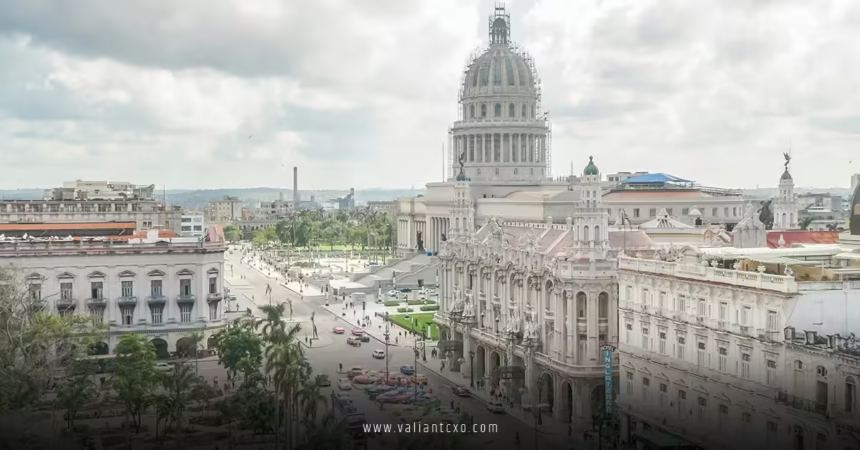
Is it safe to travel to Cuba in 2026 with fuel shortage? That’s the question on many adventurers’ minds right now. Picture this: you’re dreaming of salsa rhythms in Havana, pristine beaches in Varadero, and those classic cars rumbling down sun-soaked streets. But headlines scream about blackouts, empty gas stations, and airlines pulling out. It’s enough to make anyone pause and wonder if the island’s magic is still worth the risk—or if it’s better to wait it out.
Cuba has always been a destination that feels like stepping into a time capsule, full of vibrant culture and resilient people. Yet in early 2026, the country grapples with a severe fuel crisis that’s shaking everything from daily life to tourism. So, let’s break it down honestly: is it safe to travel to Cuba in 2026 with fuel shortage, or should you rethink your plans? I’ll walk you through the realities, the risks, and what you can do to stay smart if you decide to go.
Understanding the Fuel Shortage Crisis in Cuba Right Now
Cuba’s fuel woes didn’t appear overnight. The island relies heavily on imported oil, mainly from allies like Venezuela. But geopolitical pressures, including U.S. restrictions on oil shipments starting in early 2026, have choked supplies dramatically. Think of it like turning off the main tap to a house—suddenly, there’s barely enough for essentials.
Power outages stretch for hours, sometimes over 20 hours a day in parts of the country. Transportation grinds to a halt: long lines (or no fuel at all) at gas stations, limited public buses, and even inter-province travel becoming unpredictable. Jet fuel shortages hit airports hard, leading to flight suspensions and cancellations. Major carriers from Canada and elsewhere paused services, stranding some visitors and scaring off others.
Tourism, Cuba’s economic lifeline, took a massive hit. Visitor numbers plummeted in late 2025 and early 2026, with hotels closing or consolidating guests. Empty beaches that once buzzed with life now feel eerily quiet. The government prioritizes fuel for key sectors like tourism where possible, but shortages ripple everywhere—food distribution slows, waste collection lags, and basic services strain.
Current Travel Advisories: What Governments Are Saying About Safety
When pondering is it safe to travel to Cuba in 2026 with fuel shortage, start with official warnings—they’re your reality check.
The U.S. State Department holds a Level 2 advisory: Exercise Increased Caution, mainly due to crime and unreliable power. It hasn’t escalated to “Do Not Travel,” but embassy alerts highlight fuel shortages causing disruptions, including potential issues with transportation and services. Petty crime like pickpocketing remains a concern, especially in tourist spots, and violent incidents have ticked up.
Canada advises avoiding non-essential travel, citing worsening shortages of fuel, electricity, food, water, and medicine. They warn that resorts might face service cuts, ground transport could falter, and flights might vanish on short notice.
The UK and others echo this: “against all but essential travel” or similar cautions. Many governments urge citizens already there to leave while options exist.
These aren’t blanket bans—people still visit—but they signal real challenges. If you’re risk-averse, this might tip the scales toward postponing.
How the Fuel Shortage Directly Impacts Travelers
Let’s get practical. Is it safe to travel to Cuba in 2026 with fuel shortage when it comes to your day-to-day experience?
- Getting Around: Renting a car? Forget reliability—fuel hunts could turn your road trip into a nightmare. Taxis and private drivers often manage better (they prioritize or stockpile), but expect delays. Public transport is sporadic.
- Power Outages: Hotels and resorts usually have generators, but fuel limits mean they might not run 24/7. No AC during blackouts, spotty Wi-Fi, and refrigerated food risks. In cities like Havana, outages affect water pumps and lighting.
- Flights and Airports: Jet fuel scarcity caused major disruptions earlier in 2026. Some routes resumed sporadically, but availability remains shaky. You might arrive fine but struggle to leave if things worsen.
- Resorts vs. Independent Travel: All-inclusive resorts try to shield guests, often with backup plans. But even they face limits. Independent travelers venturing off-beat paths encounter more hurdles—fewer services, longer waits.
Crime hasn’t spiked dramatically due to shortages, but desperation can breed opportunism. Stick to tourist areas, avoid flashing valuables, and use trusted guides.
Tips to Stay Safe If You Decide to Visit Amid the Crisis
Still set on going? Is it safe to travel to Cuba in 2026 with fuel shortage if you’re prepared? Absolutely more so.
Book flexible flights and travel insurance covering cancellations and disruptions. Choose reputable operators who monitor conditions. Stay in Havana or Varadero initially—easier access to services. Carry cash (USD or euros preferred), as cards and ATMs falter during outages.
Pack power banks, flashlights, and patience. Support local private businesses—casas particulares (homestays) and paladares (private restaurants) often adapt better and keep money with everyday Cubans.
Monitor updates daily via embassy sites or trusted travel forums. Have a backup exit plan.
The Brighter Side: Why Cuba Still Draws Travelers
Despite headaches, Cuba’s allure endures. The people remain incredibly welcoming—resilient folks who share stories over rum and music. Cultural experiences feel authentic, unspoiled by overtourism. Beaches stay stunning, and history leaps from every colonial street.
Some travelers report rewarding visits: fewer crowds, genuine interactions, and a chance to support communities hit hard. If you’re adventurous and flexible, the “shortage adventure” adds unique stories.
But ask yourself: Do you want relaxation or resilience-testing travel?
Conclusion: Weighing It All – Should You Go?
So, circling back: is it safe to travel to Cuba in 2026 with fuel shortage? It’s not outright dangerous for crime or violence compared to many spots, but the fuel crisis creates unpredictable disruptions—power cuts, transport issues, potential stranding—that make it riskier than usual. Government advisories lean cautious, urging non-essential trips be avoided.
If your heart’s set on Cuba, wait for stabilization signs (like restored flights or eased shortages). Recent tweaks allowing some oil resales hint at possible relief, but the situation remains fluid.
Cuba’s spirit shines brightest when conditions improve. For now, prioritize safety and consider alternatives if certainty matters. Whatever you choose, travel thoughtfully—Cuba’s people appreciate visitors who come with open eyes and hearts.
For more on Cuba’s official travel guidelines, visit the U.S. State Department Cuba Travel Advisory. Check Government of Canada Cuba Travel Advice for additional insights. Learn about supporting local economies via Condé Nast Traveler’s Cuba Guide.
FAQs
1. Is it safe to travel to Cuba in 2026 with fuel shortage for American citizens?
Americans face extra rules due to U.S. regulations, but travel is possible under certain categories. The fuel shortage adds logistical hurdles, but crime levels remain manageable in tourist zones. Check the latest State Department updates before booking.
2. How bad are the power outages affecting tourists right now?
Outages can last hours daily, but resorts often use generators. Expect interruptions in lighting, AC, and Wi-Fi. It’s inconvenient but rarely dangerous if prepared.
3. Can I still fly to Cuba easily in 2026 amid the fuel shortage?
Flights are limited and changeable due to jet fuel issues. Some international routes operate, but cancellations happen. Book refundable tickets and monitor airline news.
4. Does the fuel shortage make Cuba more expensive or harder to navigate?
Yes—transport costs rise, and some services limit operations. Cash is king, and flexibility is essential for a smooth trip.
5. Will the situation in Cuba improve soon for safer travel?
Signs of easing (like limited oil allowances) exist, but it’s unpredictable. Many experts suggest monitoring through mid-2026 for better stability.