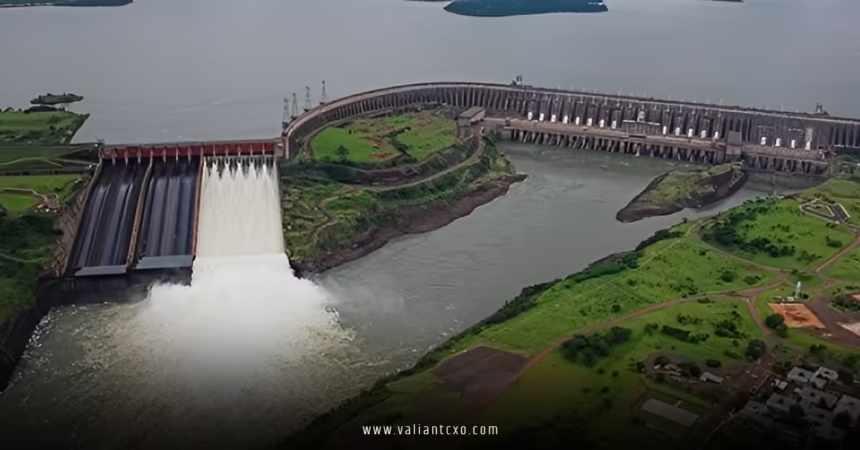
Itaipu Dam economic and environmental balance is a fascinating topic that highlights how one of the world’s largest hydroelectric projects powers economies while grappling with nature’s backlash. Imagine a colossal structure harnessing the Paraná River’s might to light up homes and industries, yet leaving an ecological footprint that demands careful scrutiny. In this article, we’ll dive into the dual world of Itaipu Dam, exploring its economic triumphs and environmental challenges, all while striving for that elusive equilibrium.
A Brief Overview of Itaipu Dam
Have you ever wondered how a single dam could influence two nations’ futures? Itaipu Dam, straddling the border between Brazil and Paraguay, stands as a testament to human ingenuity and ambition. Completed in 1984 after a decade of construction, this engineering marvel generates immense hydroelectric power, making it a cornerstone of regional energy security. But what about Itaipu Dam economic and environmental balance? It’s not just about the kilowatts; it’s about weighing the jobs created against the forests lost.
This dam produces over 90 million megawatt-hours annually, enough to power a small country, yet it also displaced thousands and altered ecosystems. As I delve deeper, you’ll see how economic gains from energy exports fuel growth, while environmental costs like habitat destruction remind us that progress isn’t free. Let’s break this down step by step, shall we?
The Economic Upsides of Itaipu Dam
When we talk about Itaipu Dam economic and environmental balance, the economic side often steals the spotlight first. Picture this: a dam that not only lights up cities but also boosts GDP. For Brazil and Paraguay, Itaipu has been a game-changer since its inception.
Job Creation and Revenue Generation
Itaipu doesn’t just generate electricity; it sparks employment opportunities. During construction, it employed over 40,000 workers, and today, it sustains thousands more in operations and maintenance. You might ask, “How does this translate to real money?” Well, the dam contributes billions annually to both countries’ economies through energy sales. Brazil, for instance, uses Itaipu’s power to fuel its industrial heartland, reducing reliance on fossil fuels and saving millions in import costs.
In Paraguay, Itaipu Dam economic and environmental balance means affordable electricity that powers exports and attracts foreign investment. Revenues from energy sales have funded infrastructure projects, like roads and schools, creating a ripple effect of prosperity. It’s like a financial engine that keeps humming, but at what environmental price?
Energy Security and Global Trade
Another layer to Itaipu Dam economic and environmental balance is how it enhances energy independence. In a world of volatile oil prices, Itaipu provides a stable, renewable source that powers 10-15% of Brazil’s electricity needs. This stability has made Brazil a leader in clean energy exports to neighboring countries, boosting trade balances.
Think of it as a bridge between nations—literally and figuratively. Paraguay sells excess power to Brazil, generating crucial foreign currency. According to estimates, this has added over $10 billion to Paraguay’s economy since the 1980s. But here’s a rhetorical question: Can we sustain this economic boom without addressing the hidden costs to our planet?
The Environmental Downsides and Challenges
Now, let’s flip the coin on Itaipu Dam economic and environmental balance. While the dam’s economic benefits are undeniable, its environmental impact is a wake-up call. Building such a massive structure flooded vast areas, disrupting wildlife and water flows in ways that still echo today.
Habitat Loss and Biodiversity Threats
Imagine a river teeming with life, only to be tamed by concrete walls. Itaipu’s reservoir flooded over 1,350 square kilometers, submerging forests and displacing indigenous communities. This led to significant biodiversity loss, affecting species like the giant otter and various fish populations in the Paraná Basin.
Environmentalists argue that Itaipu Dam economic and environmental balance tips too far toward economics here. The dam blocks fish migration routes, threatening aquatic ecosystems. It’s like damming a river of life, where the flow of nature is interrupted, leading to long-term imbalances in the food chain.
Climate and Water Quality Issues
Hydroelectric dams like Itaipu might seem green, but they’re not without flaws. The reservoir’s decomposition of submerged vegetation releases methane, a potent greenhouse gas, contributing to climate change. Plus, altered water flows have affected downstream agriculture and water quality, impacting millions who rely on the river.
In the context of Itaipu Dam economic and environmental balance, these issues highlight the trade-offs. Warmer water temperatures from the dam can harm aquatic life, and reduced sediment flow erodes riverbanks elsewhere. It’s a metaphor for walking a tightrope—balancing progress with preservation.
Strategies for Achieving Balance
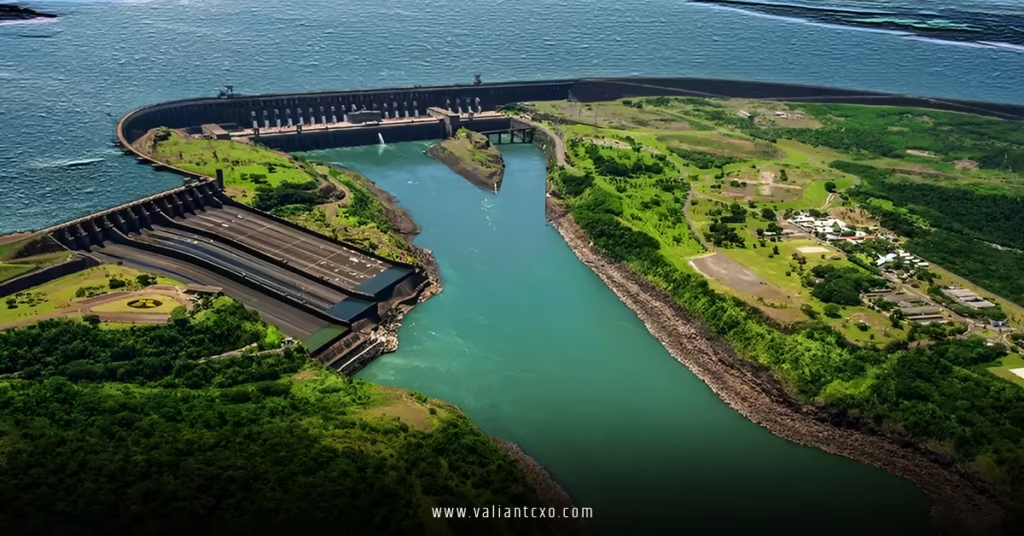
So, how do we achieve a true Itaipu Dam economic and environmental balance? It’s about innovative solutions and collaborative efforts. Both countries have implemented measures to mitigate impacts, turning challenges into opportunities.
Mitigation Efforts and Sustainable Practices
Brazil and Paraguay have invested in reforestation and fish ladders to restore habitats. For instance, Itaipu’s binational entity runs programs to protect endangered species and promote eco-tourism, which adds to the economic pot without further harm. You could say it’s like planting seeds in the shadow of a giant—nurturing nature while the dam stands tall.
Renewable energy integration is key. By combining Itaipu’s hydropower with solar and wind projects, the region reduces its carbon footprint. This not only addresses Itaipu Dam economic and environmental balance but also sets a global example for sustainable development.
Policy and International Cooperation
International agreements between Brazil and Paraguay ensure shared benefits and responsibilities. The 1973 treaty governing Itaipu emphasizes equitable energy distribution, fostering trust. Governments are now pushing for updated policies to include environmental safeguards, like monitoring water quality and biodiversity.
Think of it as a partnership dance—two nations stepping in sync to maintain equilibrium. Through organizations like the United Nations, they’re adopting global standards, making Itaipu Dam economic and environmental balance a model for other mega-projects.
Case Studies and Global Comparisons
To understand Itaipu Dam economic and environmental balance better, let’s look at parallels. Compare it to China’s Three Gorges Dam, which faced similar issues but learned from Itaipu’s experiences. Both highlight how economic gains can be overshadowed by environmental disasters if not managed well.
In Europe, dams like those in the Rhine River have balanced economics with ecology through strict regulations. Itaipu could draw from this, perhaps by investing more in green technologies to offset emissions. It’s a reminder that every dam tells a story of adaptation.
The Human Element: Communities and Livelihoods
Don’t forget the people in Itaipu Dam economic and environmental balance. Thousands were relocated, and while compensation was provided, cultural losses linger. Indigenous groups lost ancestral lands, affecting their way of life. Efforts to involve communities in decision-making are steps toward healing.
This human angle makes the topic relatable—it’s not just stats and science; it’s about real families adapting to change. By prioritizing social equity, Itaipu can enhance its overall balance.
Conclusion
In wrapping up our exploration of Itaipu Dam economic and environmental balance, it’s clear that this iconic structure symbolizes both progress and peril. Economically, it has driven growth, created jobs, and secured energy for millions, while environmentally, it poses challenges that demand ongoing attention. By fostering sustainable practices, international cooperation, and innovative solutions, we can tip the scales toward a harmonious future. So, what are you waiting for? Dive into these issues in your own community and advocate for balanced development—it’s our shared responsibility to ensure that wonders like Itaipu endure for generations.
Frequently Asked Questions
What factors contribute to Itaipu Dam economic and environmental balance in modern energy projects?
Key factors include renewable energy integration, habitat restoration, and equitable revenue sharing between nations, ensuring long-term sustainability.
How has Itaipu Dam economic and environmental balance affected local communities in Brazil and Paraguay?
While it has provided jobs and affordable electricity, it displaced residents and disrupted traditional lifestyles, highlighting the need for better social safeguards.
Can Itaipu Dam economic and environmental balance be improved through technology?
Absolutely—advances like fish passages and methane-capturing systems can minimize environmental impacts while maintaining economic benefits.
Why is Itaipu Dam economic and environmental balance important for global climate goals?
It serves as a case study for balancing hydropower’s role in reducing fossil fuel dependency with efforts to curb greenhouse gas emissions from reservoirs.
What lessons from Itaipu Dam economic and environmental balance apply to future dams worldwide?
Emphasizing early environmental assessments and community involvement can help achieve a more balanced approach, preventing the pitfalls seen at Itaipu.