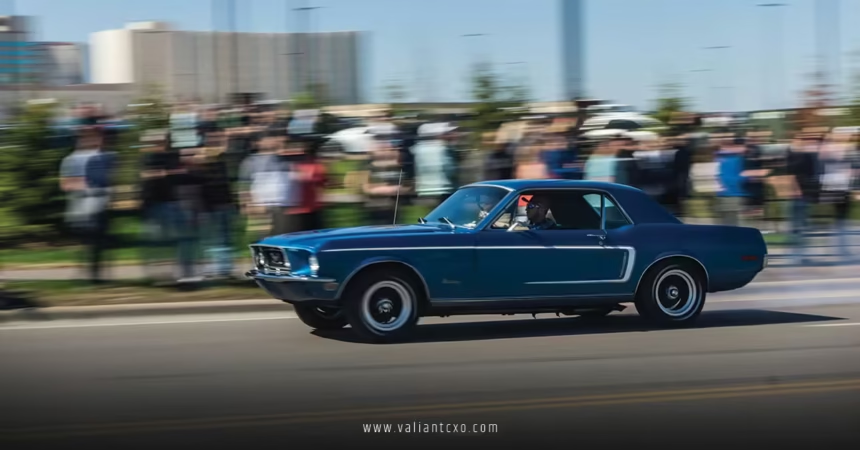
Minnesota classic car insurance requirements differ significantly from standard auto coverage, and understanding these differences could save you thousands while protecting your vintage investment. Unlike your daily driver, that ’67 Mustang or restored Chevy pickup needs specialized coverage that recognizes its true value and limited use patterns.
Here’s what every Minnesota classic car owner needs to know:
- Agreed value coverage protects your car’s true worth, not depreciated book value
- Usage restrictions typically limit annual mileage to 2,500-7,500 miles
- You must maintain regular-use vehicle insurance alongside classic car coverage
- Storage requirements include secure, enclosed garaging in most cases
- Age restrictions usually require drivers to be 25+ with clean driving records
What Makes Minnesota Classic Car Insurance Different?
Standard auto insurance treats your classic like any other used car—applying depreciation and market value that ignores restoration costs, rarity, and appreciation potential. That’s like insuring the Mona Lisa for the cost of canvas and paint.
Classic car insurance flips this approach. Instead of fighting over book values after a loss, you and your insurer agree upfront on your vehicle’s worth. No arguments. No surprises. Just fair compensation based on reality.
Minnesota State Insurance Requirements for Classic Vehicles
Minnesota mandates minimum coverage for all registered vehicles, including classics:
Mandatory Coverage Minimums
- Bodily injury liability: $30,000 per person, $60,000 per accident
- Property damage liability: $10,000 per accident
- Personal injury protection (PIP): $30,000 per person
- Uninsured/underinsured motorist: $25,000 per person, $50,000 per accident
Here’s the catch: these minimums barely scratch the surface for classic car owners. Your restored ’69 Camaro could easily exceed the property damage minimum in a single accident.
Types of Classic Car Insurance Coverage in Minnesota
Agreed Value vs. Actual Cash Value
Agreed Value Coverage You and the insurer establish your car’s value upfront through appraisal, documentation, and negotiation. This becomes the payout ceiling in total loss situations.
Actual Cash Value Coverage The insurer determines value at claim time using depreciation models that often ignore classic car market realities. Avoid this for genuine classics.
Specialized Classic Car Coverages
Spare Parts Coverage Protects your collection of NOS (new old stock) parts, rebuilds, and restoration components. Essential for serious enthusiasts with significant parts investments.
Inflation Guard Protection Automatically increases your agreed value annually to account for classic car market appreciation. Smart protection as values climb.
Roadside Assistance with Classic Car Expertise Standard AAA might tow your classic, but specialized providers understand proper handling techniques for low-clearance vehicles and delicate components.
Show and Event Coverage Extends protection to car shows, parades, and automotive events. Some policies exclude these activities, leaving you vulnerable during prime classic car season.
Eligibility Requirements for Minnesota Classic Car Insurance
Insurance companies aren’t handing out classic car policies to everyone. Here’s what they’re looking for:
Vehicle Qualifications
- Age: Typically 15-25+ years old, depending on make and model
- Condition: Good to excellent condition, often requiring photos
- Usage: Limited recreational driving, not daily transportation
- Storage: Enclosed, secure storage when not in use
Driver Requirements
- Age: Usually 25+ years old (some companies accept younger drivers with surcharges)
- Driving record: Clean record with minimal violations or claims
- Regular vehicle: Must maintain insurance on a daily-use vehicle
- Experience: Some insurers require classic car experience or club membership
Usage Restrictions That Impact Coverage
Most classic car policies limit annual mileage between 1,000-7,500 miles. Exceed these limits, and you could face claim denials or policy cancellation.
Permitted Uses:
- Car shows and exhibitions
- Club events and parades
- Occasional pleasure driving
- Maintenance and repair transport
Prohibited Uses:
- Daily commuting
- Commercial activities
- Racing (unless specifically covered)
- Regular transportation
Cost Factors for Minnesota Classic Car Insurance
| Factor | Impact on Premium | Typical Range |
|---|---|---|
| Agreed Value | Higher value = higher premium | $15,000-$150,000+ |
| Annual Mileage | Lower miles = lower premium | 1,000-7,500 miles |
| Storage Type | Garage vs. carport vs. outdoor | 20-40% variation |
| Driver Age/Record | Clean record = significant savings | 25-50% discount |
| Vehicle Type | Sports cars cost more than sedans | Varies widely |
How Classic Car Plates Affect Insurance Requirements
If you’ve completed the Minnesota classic car plate requirements affidavit process, your insurance needs become more specific. Classic plates signal to insurers that you’re serious about proper vehicle classification and limited use.
Benefits of Classic Plates for Insurance:
- Easier qualification for specialized coverage
- Potential premium discounts
- Clearer usage documentation
- Protection from daily-use assumptions
Requirements with Classic Plates:
- Must maintain usage restrictions
- Storage requirements become more stringent
- May need additional documentation for claims
The affidavit process and classic plates work hand-in-hand with proper insurance coverage, creating a complete legal framework for your vintage vehicle.
Top Insurance Companies for Minnesota Classic Cars
Hagerty Insurance
The gold standard for classic car coverage. Extensive experience, agreed value coverage, and specialized claims handling. Premiums run higher but service quality justifies the cost.
Pros:
- Industry-leading expertise
- Excellent claims service
- Strong financial ratings
- Extensive coverage options
Cons:
- Higher premiums
- Strict eligibility requirements
- Limited agent network
American Collectors Insurance
Strong alternative with competitive rates and flexible eligibility. Good option for entry-level classics or mixed-use vehicles.
Grundy Insurance
Family-owned company with decades of classic car experience. Known for generous agreed value assessments and reasonable premiums.
State Farm and Progressive Classic Divisions
Major insurers offering classic car products. More restrictive than specialists but potentially cheaper for low-value classics.
Getting the Right Appraisal for Agreed Value Coverage
Your classic’s agreed value starts with professional appraisal. Here’s how to get it right:
Types of Appraisals
Insurance Appraisal Specifically for insurance purposes, focusing on replacement cost and current market value. Most insurers require this format.
Market Appraisal Determines fair market value for buying/selling. Useful but may not satisfy insurance requirements.
Restoration Appraisal Documents work performed and costs incurred. Essential for heavily modified or restored vehicles.
Choosing an Appraiser
Look for:
- ASA or ASI certification
- Classic car specialization
- Insurance company recognition
- Local market knowledge
Expect to pay $300-600 for comprehensive insurance appraisal.
Storage Requirements and Security Considerations
Minnesota’s climate makes proper storage crucial for both preservation and insurance compliance.
Acceptable Storage Options
Enclosed Garage Preferred by all insurers. Provides weather protection and security. May qualify for premium discounts.
Enclosed Carport/Pole Barn Acceptable to most companies with security measures. Less premium benefit than heated garage.
Commercial Storage Professional storage facilities often provide superior security and climate control. Premium rates vary.
Security Enhancements
- Alarm systems (10-15% discount potential)
- GPS tracking devices
- Steering wheel locks and kill switches
- Secure key storage
Common Minnesota Classic Car Insurance Mistakes
Mistake 1: Undervaluing Your Vehicle
The Problem: Setting agreed value too low to save on premiums. The Fix: Research comparable sales and get professional appraisal. The premium difference between $20,000 and $25,000 coverage is minimal.
Mistake 2: Inadequate Liability Coverage
The Problem: Relying on state minimums when you need substantial protection. The Fix: Carry at least $500,000 in liability coverage. Umbrella policies provide additional protection cheaply.
Mistake 3: Ignoring Usage Restrictions
The Problem: Treating classic insurance like regular coverage without mileage monitoring. The Fix: Track mileage religiously and document all usage. Many companies offer apps for easy monitoring.
Mistake 4: Poor Documentation
The Problem: Insufficient photos, receipts, or modification records for claims. The Fix: Create comprehensive vehicle files with photos, receipts, and modification documentation.
Mistake 5: Mixing Regular and Classic Coverage
The Problem: Trying to insure a classic on standard policy or daily driver on classic policy. The Fix: Maintain separate policies for different vehicle types. Don’t try to game the system.
Special Situations and Additional Coverage Options
Modified and Street Rod Insurance
Heavily modified vehicles need specialized coverage addressing:
- Custom parts and equipment
- Increased liability exposure
- Replacement cost challenges
- Safety equipment requirements
Motorcycle Classic Insurance
Classic bikes follow similar patterns with unique considerations:
- Seasonal use patterns
- Storage requirements
- Lower coverage limits
- Specialty parts availability
Multiple Vehicle Discounts
Many classic car owners accumulate multiple vehicles. Multi-car discounts can reach 25% or more with the right insurer.
Claims Process for Classic Car Insurance
When the unthinkable happens, classic car claims follow different procedures:
Documentation Requirements
- Immediate photos of all damage
- Police reports when applicable
- Repair estimates from qualified shops
- Parts availability research
- Value documentation review
Repair Shop Selection
Choose shops experienced with classic vehicles. Many policies allow owner selection of repair facilities, but verify coverage before committing.
Total Loss Situations
With agreed value coverage, total losses pay the full agreed amount minus deductible. No arguments over depreciation or market fluctuations.
Seasonal Considerations for Minnesota Classic Car Insurance
Minnesota’s harsh winters create unique insurance considerations:
Winter Storage Protocols
- Proper winterization procedures
- Storage facility requirements
- Limited operation permissions
- Battery maintenance coverage
Seasonal Policy Adjustments
Some insurers offer seasonal suspensions, reducing coverage during storage months. Carefully review what remains covered.
Key Takeaways
- Agreed value coverage is essential—never settle for actual cash value on a genuine classic
- Minnesota requires the same minimum coverage for classics as regular vehicles, but you need much more
- Usage restrictions are real and enforced—track your mileage and document all trips
- Proper storage isn’t just good for your car—it’s required for most classic car policies
- Professional appraisal is worth the cost and often required for agreed value coverage
- Classic plates and proper insurance work together—complete the affidavit process for best rates
- Specialized insurers often provide better value than big-name companies’ classic divisions
- Document everything—photos, receipts, modifications, and maintenance records protect your investment
Seasonal Insurance Tips for Minnesota Collectors
Winter storage season offers opportunities to review and adjust coverage:
November-March Storage Period:
- Verify storage facility meets policy requirements
- Update security measures if needed
- Review agreed values for market changes
- Plan spring maintenance and inspection
April-October Active Season:
- Confirm mileage tracking systems
- Schedule any needed appraisal updates
- Review show and event coverage
- Document any modifications or improvements
Working with Insurance Agents
Classic car insurance benefits from agent expertise. Look for agents who:
- Specialize in collector vehicles
- Understand agreed value concepts
- Work with multiple classic car insurers
- Maintain classic vehicles themselves
The right agent becomes your advocate during the claims process and helps navigate complex coverage decisions.
Conclusion
Minnesota classic car insurance requirements go far beyond basic state minimums. Your vintage investment deserves protection that recognizes its true value and unique usage patterns. Agreed value coverage, proper storage, and usage compliance create the foundation for comprehensive protection.
Start with professional appraisal, choose specialized coverage, and maintain meticulous records. The extra effort pays dividends when you need coverage most.
Remember: classic car insurance isn’t just about protecting your vehicle—it’s about preserving automotive history for future generations. Drive responsibly, store properly, and enjoy every mile.
Frequently Asked Questions
Q: Do I need special insurance if I have classic license plates in Minnesota?
A: While Minnesota classic car plate requirements affidavit approval doesn’t mandate special insurance, classic plates indicate limited use that makes specialized coverage more appropriate and often cheaper than standard policies.
Q: How much does classic car insurance cost in Minnesota compared to regular auto insurance?
A: Classic car insurance typically costs $200-800 annually for $25,000-50,000 in agreed value coverage, often 40-60% less than insuring the same vehicle on a standard policy.
Q: Can I insure a project car that’s not yet roadworthy?
A: Yes, many insurers offer “laid up” or “garage” coverage for project vehicles. This provides fire, theft, and vandalism protection during restoration but excludes liability coverage.
Q: What happens if I exceed my annual mileage limit?
A: Minor overages might result in warnings or small surcharges. Significant violations could lead to claim denials or policy cancellation. Always communicate with your insurer if you’ll exceed limits.
Q: Do classic car insurance policies cover parts and tools stored in my garage?
A: Basic policies typically don’t cover parts collections. You’ll need specific spare parts coverage or a separate personal property policy for valuable parts inventories.