Hey there, if you’re reading this because of the recent Nipah virus outbreak West Bengal January 2026 making headlines, you’re not alone in feeling a bit uneasy. Nipah isn’t something we hear about every day, but when it shows up—like it did with those two nurses in Barasat near Kolkata—it hits hard. The good news? Knowing the symptoms and catching them early can literally save lives. Since there’s no vaccine or magic pill yet, your best weapon is awareness and quick action.
In this article, we’ll walk through the real signs of Nipah virus infection, how it sneaks up on you, why early detection matters so much (especially during something like the Nipah virus outbreak West Bengal January 2026), and practical steps to take if something feels off. Let’s get into it—no fluff, just clear info to help you stay safe.
What Exactly Is Nipah Virus and Why Does It Scare People?
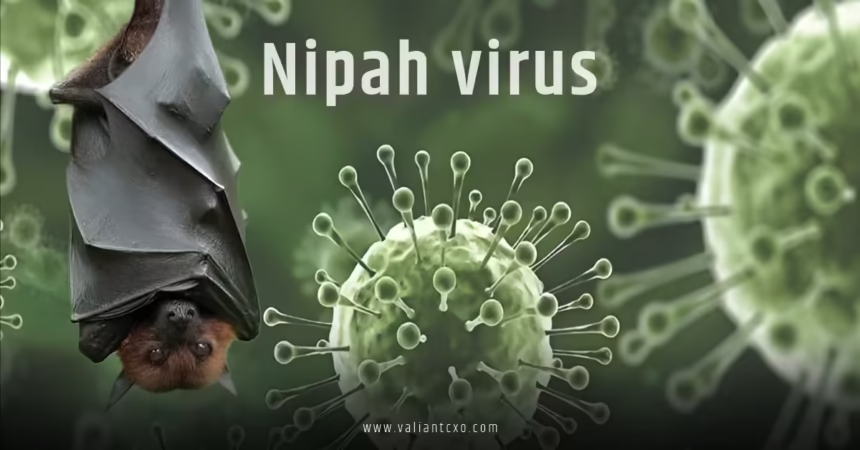
Nipah (NiV) is a zoonotic virus—meaning it jumps from animals (mainly fruit bats) to humans, sometimes via pigs or contaminated food like raw date palm sap. Once in people, it can spread person-to-person through close contact, especially in healthcare settings or households.
The scary part? Fatality rates in past outbreaks have ranged from 40% to 75%, depending on how fast people get care and the strain involved. But here’s the hopeful flip side: survivors often recover fully if the disease is caught before severe brain involvement kicks in. That’s why symptoms and early detection are everything right now.
The Incubation Period: When Do Symptoms Actually Start?
After exposure—say, drinking contaminated toddy or being around an infected person—symptoms don’t hit right away. Most people see the first signs 4 to 14 days later. In rare cases, it can take longer, even months, but 4–14 days is the norm.
During the Nipah virus outbreak West Bengal January 2026, health teams emphasized this window because quick tracing of contacts relies on knowing when someone might start feeling sick.
Early Symptoms: The Flu-Like Phase That Tricks Everyone
The tricky thing about Nipah is how ordinary the beginning feels. You might think, “Oh, just a seasonal bug.” But pay attention—these are the most common early red flags:
- High fever that comes on suddenly and spikes hard (often above 101–102°F).
- Intense headache—not your average tension one; it’s throbbing and persistent.
- Muscle pain (myalgia)—deep aches that make your whole body feel heavy.
- Sore throat and cough.
- Difficulty breathing or shortness of breath, even early on.
- Vomiting or nausea.
- General weakness and fatigue that knocks you flat.
These mimic dengue, flu, or even COVID at first glance. That’s exactly why doctors stress history: Have you been in West Bengal recently? Eaten raw date palm sap? Been around bats or sick people? During outbreaks like the one in January 2026, asking these questions fast-tracks suspicion.
If you’re experiencing a combo of fever + headache + respiratory issues, especially with any exposure risk, don’t wait it out—head to a hospital.
When It Turns Serious: Progression to Encephalitis and Respiratory Distress
If the virus isn’t caught early, things can escalate quickly—sometimes within days.
Watch for these advancing signs:
- Drowsiness or excessive sleepiness.
- Confusion, disorientation, or trouble speaking clearly.
- Seizures.
- Altered consciousness (feeling “out of it”).
- Severe breathing problems leading to respiratory failure.
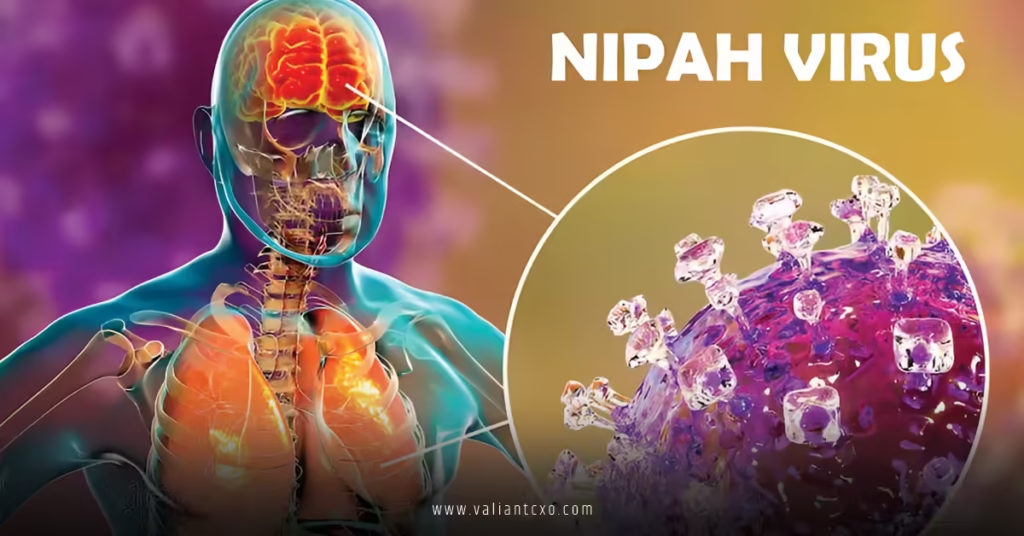
In severe cases, encephalitis (brain swelling) sets in, and coma can follow within 24–48 hours. About half of people with bad neurological symptoms also develop lung issues early. This rapid slide is why the Nipah virus outbreak West Bengal January 2026 prompted such urgent contact monitoring—stopping spread means stopping it before people get this sick.
Why Early Detection Is a Game-Changer (Especially in 2026 Outbreaks)
No specific antiviral exists for Nipah, and supportive care (IV fluids, oxygen, seizure control) works best when started soon. Early detection boosts survival odds dramatically and prevents hospitals from becoming transmission hotspots—like what happened with those healthcare workers in Barasat.
In India, lessons from Kerala’s past Nipah episodes show that aggressive testing, isolation, and tracing keep numbers low. During the Nipah virus outbreak West Bengal January 2026, authorities rolled out enhanced Acute Encephalitis Syndrome (AES) surveillance nationwide, urging docs to test anyone with compatible symptoms plus travel/contact history.
Lab confirmation usually involves RT-PCR on throat swabs, blood, urine, or cerebrospinal fluid. The sooner someone gets tested, the better—for them and everyone around them.
Practical Steps for Early Detection and Protection
Worried? Here’s what you can actually do:
- Monitor yourself if you’ve been in affected areas or around risks—track fever, headache, breathing changes.
- Seek help immediately if symptoms match—go to a hospital with isolation facilities. Mention any possible exposure.
- Avoid high-risk foods—no raw date palm sap, skip fruits that look bat-bitten, wash produce well.
- Practice hygiene—handwashing, masks in crowded places if you’re concerned, and PPE for healthcare folks.
- Stay informed—follow official updates from India’s Ministry of Health or WHO, not rumors.
Early action isn’t paranoia; it’s smart.
For reliable info, check the World Health Organization’s Nipah virus page or the CDC’s Nipah overview.
Wrapping It Up: Stay Alert, Stay Calm
Nipah virus symptoms start innocently—fever, headache, sore throat—but can turn deadly fast if ignored. Early detection through quick medical attention and testing is our strongest defense, especially amid events like the Nipah virus outbreak West Bengal January 2026. By recognizing the signs, acting promptly, and following prevention basics, we give ourselves and our communities the best shot at keeping this virus contained.
Knowledge really is power here. Share this with friends and family, stay vigilant, and take care of yourselves.
FAQs on Nipah Virus Symptoms and Early Detection
1. What are the very first symptoms of Nipah virus?
Usually a sudden high fever, severe headache, muscle pain, sore throat, and sometimes cough or vomiting—often mistaken for flu.
2. How soon after exposure do Nipah symptoms appear?
Typically 4–14 days, though it can vary.
3. Why is early detection so important for Nipah?
It improves survival chances dramatically and stops person-to-person spread, especially in outbreaks like the Nipah virus outbreak West Bengal January 2026.
4. When should I see a doctor for possible Nipah symptoms?
Right away if you have fever + headache + breathing issues AND any exposure risk (travel to affected areas, raw palm sap, contact with cases).
5. Are Nipah symptoms different in every person?
They range from mild (flu-like) to severe (encephalitis), but early signs are usually non-specific, making history and testing key.