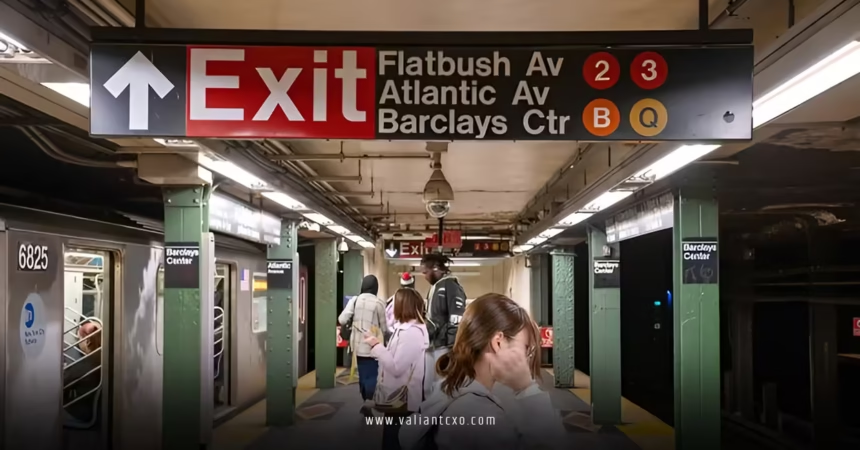
NYC Subway Safety Tips 2026 matter more than ever after the Penn Station mass stabbing New York shook commuters just yesterday. A knife attack in a major transit hub left multiple people injured in what authorities called a random act. No one died, but it snapped everyone to attention. The subway moves millions daily. Smart habits keep those rides routine instead of risky.
- Core reality: Overall subway crime hit historic lows in 2025, but isolated incidents like random stabbings still happen.
- Why now: Recent events highlight mental health crises and the need for personal vigilance in crowded spaces.
- Who needs this: Daily riders, tourists, and anyone navigating late nights or off-peak hours.
- Bottom line: Awareness plus simple moves cuts your exposure fast.
Recent Context: Lessons from the Penn Station Mass Stabbing New York
Sunday evening’s chaos at Penn Station spilled into conversations about broader transit safety. A suspect stabbed five to six people near the NJ Transit area. Amtrak police acted quickly. Victims stabilized at hospitals. The incident, though not on the subway itself, sits right above key lines and reminds riders that connected hubs share the same vulnerabilities.
Read the full breakdown here: Penn Station Mass Stabbing New York.
Current NYC Subway Crime Snapshot 2026
Numbers look better than a few years ago. Major felonies dropped in 2025 to the safest levels in over a decade. Yet robberies ticked up slightly into 2026. Assaults remain a concern in isolated cases.
NYPD data shows precision policing and more officers in the system deliver results. Still, personal strategy beats waiting for perfect conditions.
Platform Basics: Where Most Issues Start
Stand back from the yellow line. Way back. Trains scream in fast.
Choose busy entrances. The ones with the station booth and foot traffic. Empty platforms late at night? Trust your gut and bounce to another entrance or Uber.
Look for the conductor car. Spot the zebra-striped board overhead on the platform. Stand there. The conductor rides in the middle car. Help is closer.
On the Train: Everyday NYC Subway Safety Tips 2026
Stay alert. Headphones in one ear max, or none if it’s late. Phone use? Keep it quick and eyes up.
Pick a car with people. Avoid empty ones, especially off-peak. If a full train pulls up with one ghost car, skip it. New Yorkers know something you don’t.
Position smart: Back to the wall or near the door in a visible spot. Don’t flash valuables. Crossbody bags or front pockets win.
Step-by-Step Action Plan for Safer Rides
- Plan ahead – Check the MTA app for delays and crowded lines. Know your exits.
- Enter prepared – Have your card or phone ready. Avoid fumbling at turnstiles.
- Platform protocol – Middle of the platform, near conductor indicator. Scan faces once.
- Board wisely – Crowded car with mixed ages and energy. Sit or stand near others.
- During the ride – No deep sleep. One ear open. Watch stops.
- Exit strong – Flow with the crowd. Head straight to busy streets or well-lit transfers.
- Emergency ready – Know 911 works underground in most spots. MTA Help Point buttons are there for a reason.
- Post-ride – Walk confident. Group up if possible at night.
Drill these mentally on your next trip. They stick.
Common Mistakes & How to Fix Them
People bury their faces in phones. Fix: One quick glance every minute. Awareness is your best weapon.
Riding the absolute last car or first alone at 2 a.m. Fix: Conductor car every time off-peak.
Engaging with erratic strangers. Fix: No eye contact, no conversation. Move away quietly.
Ignoring weird vibes. Fix: Exit the station or switch cars at the next stop. Better late than sorry.
Overconfidence after good stats. Fix: Respect the low-probability but high-impact risks—like the recent Penn Station mass stabbing New York.
Advanced Tips for Frequent Riders
Download the MTA app and Citizen for real-time alerts. Join station agent chats if available. Carry a small flashlight or personal alarm.
For women and solo travelers: Morning and evening rush feel safest volume-wise. Late nights? Consider alternatives or rideshares for certain lines.
Families: Hold hands on platforms. Teach kids the conductor car rule.
Resources Worth Bookmarking
Check official NYPD Transit Crime Statistics for the latest numbers.
Mental health support via SAMHSA helps understand broader patterns behind incidents.
MTA’s own safety page offers station-specific guidance.
Key Takeaways
- NYC subway remains one of the world’s busiest and statistically safer than headlines suggest.
- Vigilance beats fear—small habits prevent big problems.
- Recent events like the Penn Station mass stabbing New York reinforce platform and awareness rules.
- Conductor car and busy areas are your default settings.
- Report suspicious activity immediately via Help Points or 911.
- Crime trends improved in 2025; continued policing matters.
- Personal responsibility plus systems create real safety.
- Ride smart, ride often—don’t let incidents keep you off the trains.
NYC Subway Safety Tips 2026:The subway is New York’s heartbeat. Master these NYC Subway Safety Tips 2026 and you move with the city, not against it. Next ride, scan once extra. Support better mental health outreach in transit. Share tips with newcomers. Small moves keep the system working for everyone. Stay aware out there.
FAQs
How has the Penn Station mass stabbing New York affected subway safety perceptions in 2026?
It heightened awareness around connected hubs and random violence, pushing more riders to adopt conductor car habits and stay alert even in busy stations.
What are the best NYC Subway Safety Tips 2026 for late-night travel?
Ride the conductor car, stick to well-lit busy entrances, avoid empty cars, and keep one ear free. Use apps for real-time info and don’t hesitate to exit if something feels off.
Do overall crime stats support feeling safe on the NYC subway?
Yes—2025 marked one of the safest years in a generation with major declines, though staying vigilant remains key after incidents like the Penn Station mass stabbing New York.