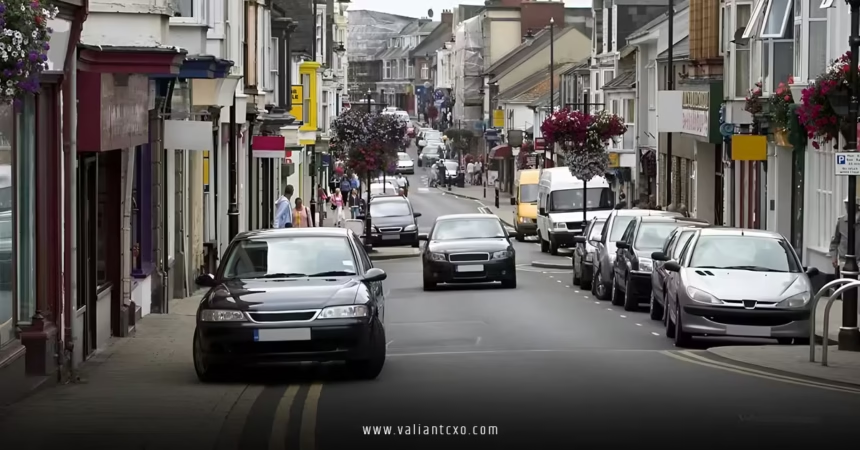
Pavement parking bans in England are finally gaining traction in 2026, thanks to fresh powers handed to local councils. Have you ever tried navigating a busy street with a pram, only to find cars sprawled across the sidewalk, forcing you into the road? It’s frustrating, dangerous, and all too common outside London. But change is coming—local authorities can now step up to clear those paths.
As of January 2026, England doesn’t have a blanket nationwide ban on pavement parking (unlike London since 1974 or Scotland more recently). Instead, the focus is on empowering councils to implement pavement parking bans in England where they’re needed most. This flexible approach stems directly from recent government decisions. Let’s break it down and see what it means for your daily life.
Why Pavement Parking Is Such a Big Issue in England
Picture this: a narrow residential street lined with terraced houses, no driveways in sight. Drivers mount the curb to park, leaving just enough room for cars to pass—but zero for pedestrians. It’s like a game of dodgeball with vehicles. Vulnerable folks bear the brunt—parents with pushchairs dodging into traffic, wheelchair users stuck, or visually impaired people risking a stumble.
Pavement parking doesn’t just annoy; it endangers. It damages curbs and surfaces (costing councils a fortune in repairs), blocks emergency access, and discourages walking. Surveys show most drivers park considerately, but the selfish few ruin it for everyone. Outside London, it’s been a legal gray area: allowed unless a specific Traffic Regulation Order (TRO) prohibits it. Those TROs? They’re slow and expensive, often limited to one street at a time.
The Current State of Pavement Parking Rules in England
Right now, in most of England, parking on the pavement is technically permitted unless signs or yellow lines say otherwise. London has enjoyed a full ban for decades, with exemptions possible. Scotland rolled out a nationwide prohibition with local tweaks. But for the rest of England? It’s patchwork—some councils use TROs in hotspots, but enforcement is patchy.
That’s changing fast. Drivers, watch out: inconsiderate parking could soon cost you a Penalty Charge Notice (PCN).
How New Powers Are Enabling Pavement Parking Bans in England
The big news dropped on January 8, 2026: the Department for Transport (DfT) responded to the long-awaited 2020 consultation. Rather than a one-size-fits-all national ban, they’re devolving power to local leaders. Councils can now prohibit pavement parking across wider areas, not just street-by-street.
This ties straight into the uk government pavement parking consultation response 2026 local authority powers, which outlines the framework. Interim steps kick in this year: secondary legislation lets councils with civil enforcement powers ticket “unnecessary obstruction” of pavements. No need for endless signs—just officers spotting bad parking.
Longer-term? Primary legislation will allow full area-wide bans, with flexibility for exemptions on narrow roads where partial pavement parking keeps traffic flowing safely.
Interim Enforcement: Tackling Obstruction Now
Starting in 2026, uniformed officers can issue PCNs for blatant blocks. It’s pragmatic—targeting real problems without overhauling everything overnight.
Future Area-Wide Bans
Councils (unitary, county, or strategic authorities) get tools for blanket restrictions in problem zones. Statutory guidance coming later in 2026 will ensure fair use, balancing pedestrian safety with parking realities.
Benefits of Local Pavement Parking Bans in England
Safer streets top the list. Clear pavements mean freedom for everyone—especially disabled people, families, and the elderly. Charities like Guide Dogs have campaigned hard, highlighting how blocked paths isolate vulnerable groups.
For drivers? Clearer rules reduce confusion. Most motorists support action against bad parking, per RAC surveys. And in tight spots, councils can permit controlled pavement parking to avoid gridlock.
Councils save too—fewer damaged pavements, better resource allocation.

Challenges and Criticisms of the New Approach
Not everyone’s thrilled. Some advocates wanted a full national ban for uniformity, arguing local variation creates a postcode lottery. Delays since 2020 drew flak—why wait five years when safety’s urgent?
Resource questions linger: Will councils hire enough enforcers? How consistent will application be? But the DfT’s phased rollout, with guidance, addresses this head-on. It’s about local knowledge trumping blanket rules.
Comparing England to London and Scotland
London’s ban works in a dense, transit-rich city. Scotland’s national rule (enforced variably) suits its setup. England’s hybrid—local bans empowered by the uk government pavement parking consultation response 2026 local authority powers—borrows strengths from both: tough enforcement where needed, flexibility elsewhere.
Why no national ban? Streets differ hugely—from rural villages to urban sprawls. Local control respects that.
What Drivers and Pedestrians Need to Know About Pavement Parking Bans in England
Drivers: Park thoughtfully. Check for signs, apps, or council websites. Fines loom for obstruction—typically £70, discounted if paid quick.
Pedestrians: Report issues via council apps or hotlines. Your feedback shapes where bans go.
Everyone: Get involved in local consultations. Bans aren’t anti-car; they’re pro-safety.
The Timeline for Rolling Out Pavement Parking Bans in England
- 2026: Secondary legislation for obstruction tickets; guidance published.
- Upcoming: Primary legislation for area-wide prohibitions.
Watch your council—many will consult soon.
In summary, pavement parking bans in England are evolving from patchy prohibitions to robust local powers. This 2026 shift promises clearer, safer sidewalks without ignoring parking pressures. By learning from the uk government pavement parking consultation response 2026 local authority powers, we’re building inclusive streets. Whether you’re wheeling a pram, driving home, or just strolling, these changes could make journeys smoother and safer. Ready for clearer pavements? It’s about time.
FAQs
1. Are pavement parking bans in England nationwide in 2026?
No, there’s no blanket national ban. Local councils gain powers to implement bans in specific areas, with flexibility for exemptions.
2. How do the new rules affect pavement parking bans in England compared to London?
London has a longstanding full ban. The rest of England now gets similar tools for local bans, making enforcement easier outside the capital.
3. When can councils start enforcing pavement parking bans in England under the 2026 changes?
Interim obstruction enforcement starts via secondary legislation in 2026; full area bans follow primary legislation and guidance.
4. Will drivers face fines under new pavement parking bans in England?
Yes, for unnecessary obstruction or in banned areas—typically via PCNs issued by civil enforcement officers.
5. Why choose local rather than national pavement parking bans in England?
Local leaders know their streets best, allowing tailored solutions that balance safety with practical parking needs.
For official details, visit the Department for Transport news, the government response, or RAC advice on parking rules.
Meta Description: (142 characters)
Suggested Keywords for Internal Linking:
- UK pavement parking fines 2026
- Local council parking restrictions England