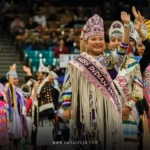
Powwow Dance Styles Explained :Powwow dance styles bring history, storytelling, athleticism, and deep cultural meaning to life in every arena. Whether you’re new to powwows or a longtime fan, understanding these categories helps you appreciate the incredible skill and tradition on display. From graceful swaying to explosive energy, each style tells its own story while honoring Indigenous heritage.
If you’re planning to see these dances in action, events like the Denver March Powwow showcase them beautifully. Check out Denver March Powwow Tickets 2026 for the 50th anniversary celebration—it’s one of the best places to witness these styles up close.
Let’s break down the main powwow dance styles, focusing on the most common ones seen at modern intertribal gatherings.
Men’s Powwow Dance Styles
Men’s categories often highlight strength, storytelling, and connection to the land. The top styles include Traditional, Grass, and Fancy (sometimes called Fancy Feather).
Men’s Traditional Dance
Men’s Traditional Dance feels like stepping back in time. Dancers portray warriors returning from hunts or battles, using controlled, grounded movements to “tell” their story through steps and upper-body gestures. The regalia stays authentic—bustles with fewer feathers, bone breastplates, and natural materials emphasize heritage over flash.
Think of it as a living history lesson. Dancers keep their feet close to the earth, symbolizing respect for ancestors and the provider role in the community. It’s less about speed and more about precision and endurance. You’ll notice subtle head movements and fan work that convey emotion or mimic hunting scenes. This style demands balance—both physical and spiritual.
Men’s Grass Dance
Men’s Grass Dance stands out for its fluidity and grace. Originating from Plains tribes like the Omaha, it mimics tall prairie grass swaying in the wind or flattening grass to prepare ceremony grounds. Dancers wear fringed outfits (no large feather bustles), with ribbons and yarn creating a flowing, wave-like effect.
The footwork stays smooth and balanced—every motion on one foot mirrors the other for perfect symmetry. It’s almost hypnotic. Many call it a “medicine dance” because the swaying represents harmony with nature. Younger dancers love it for the slick, controlled energy. Watch how fringes ripple like wind over grass—it’s poetry in motion.
Men’s Fancy Dance (Fancy Feather)
Men’s Fancy Dance brings the fireworks. Emerging post-World War II, it gave returning veterans a vibrant outlet. Dancers explode with athleticism—high kicks, spins, and rapid footwork set to fast drumbeats.
Regalia pops with bright colors, double bustles, feather roaches, and elaborate beadwork. It’s fast, flashy, and crowd-pleasing, testing agility and stamina. Dancers “paint the air” with movements, often incorporating tricks like behind-the-back kicks. If powwows had a highlight reel, Fancy would dominate.
Women’s Powwow Dance Styles
Women’s styles celebrate grace, healing, and resilience. Key categories: Traditional, Jingle Dress, and Fancy Shawl.
Women’s Traditional Dance
Women’s Traditional Dance honors grandmothers, mothers, and life-givers. Dancers move modestly—small, grounded steps with a slight bounce, shawls draped and fans held gently. Regalia features buckskin, beadwork, or cloth dresses, often with long fringes or natural elements.
The style varies regionally (Northern buckskin vs. Southern cloth), but the essence stays the same: connection to the earth and quiet strength. Dancers keep movements understated yet powerful, symbolizing protection and nurturing. It’s elegant and timeless—like watching roots hold firm through seasons.
Women’s Jingle Dress Dance
Women’s Jingle Dress Dance carries a healing origin story. From the Ojibwe/Anishinaabe people, it began when a sick girl dreamed of dresses with metal cones (from snuff can lids) that would make healing sounds. When dancers move, the cones clink rhythmically, mimicking rain or heartbeat.
Steps stay light and bouncy, with forward motion and subtle turns. Contemporary versions add complexity, while old-style keeps it gentle. The dress “sings” with every step—literally. It’s medicine in motion, often bringing emotional moments to the arena.
Women’s Fancy Shawl Dance
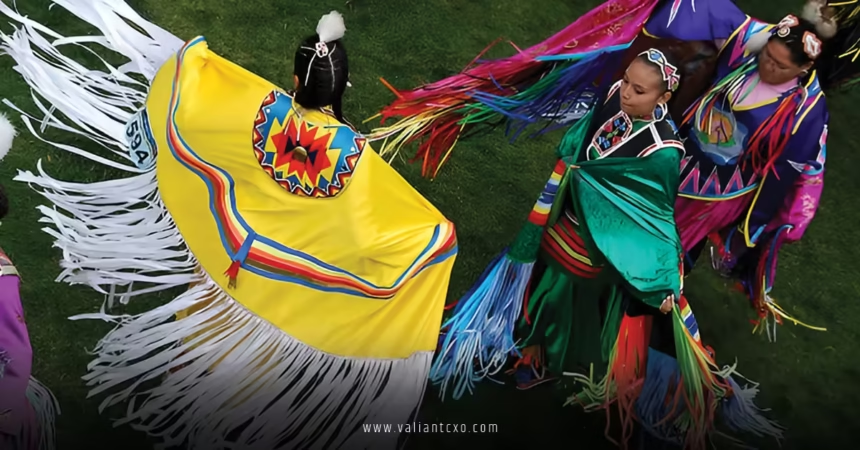
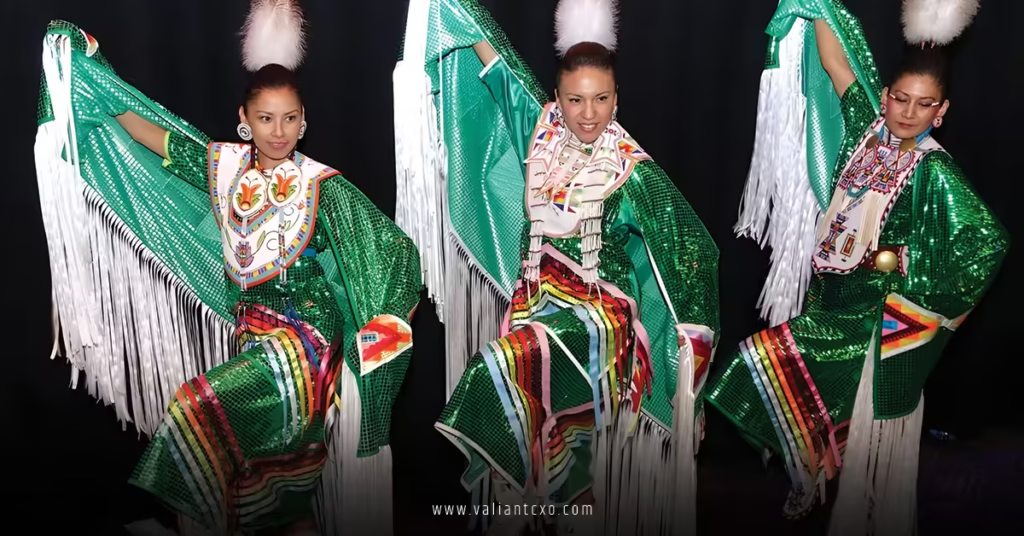
Women’s Fancy Shawl Dance dazzles with elegance and speed. Post-WWII like men’s Fancy, it lets women express freedom and joy. Dancers “float” across the floor, arms outstretched like wings, shawls billowing dramatically.
Footwork combines quick steps, spins, and hops. Regalia bursts with fringe, bright fabrics, and intricate beadwork. It’s athletic yet graceful—like butterflies dancing on wind. Spectators love the energy and visual spectacle.
Other Notable Powwow Dance Styles and Variations
Beyond the core six, powwows feature specials:
- Prairie Chicken Dance — Men’s style mimicking prairie chicken courtship, with bobbing and strutting.
- Hoop Dance — Storytelling with multiple hoops, forming shapes like animals or globes.
- Golden Age / Elder Categories — Honoring older dancers in Traditional or other styles.
- Tiny Tots / Junior Divisions — Kids as young as toddlers compete, keeping traditions alive.
Northern styles (higher-pitched drums, faster beats) dominate many events, while Southern styles offer steadier rhythms. Intertribal dances invite everyone (respectfully) to join, blending styles.
Why Understanding Powwow Dance Styles Enhances Your Experience
Powwow Dance Styles Explained:Knowing these styles transforms watching into understanding. You spot the storytelling in Traditional, feel healing in Jingle cones, admire athleticism in Fancy, and sense earth’s rhythm in Grass. Each dancer brings personal flair—regalia tells family stories, steps reflect visions.
Powwows thrive on respect. Stand for Grand Entry, ask before photographing, avoid interrupting sacred moments. It’s not just entertainment; it’s living culture.
If you’re ready to experience these styles live, the upcoming Denver March Powwow Tickets 2026 offer a prime opportunity. With over 1,500 dancers and dozens of categories, it’s a showcase of tradition and innovation during its milestone 50th year.
Conclusion: The Spirit Lives On Through Every Step
Powwow dance styles weave together history, creativity, and community in ways few traditions can match. From the grounded power of Traditional to the soaring joy of Fancy Shawl, each category carries teachings of resilience and balance. Attending a powwow lets you witness this heartbeat firsthand—drumbeats pulsing, regalia flashing, stories unfolding.
Don’t just watch; feel the connection. Secure your Denver March Powwow Tickets 2026 and step into a celebration where every dance honors the past while dancing toward the future.
Frequently Asked Questions About Powwow Dance Styles
1. What are the main powwow dance styles for men and women?
The core powwow dance styles include: Men: Traditional, Grass Dance, and Fancy Feather Dance
Women: Traditional, Jingle Dress Dance, and Fancy Shawl Dance Each style has unique origins, regalia, and movements that reflect different aspects of Indigenous culture, history, and spirituality. You can see all of them performed at major events—secure your Denver March Powwow Tickets 2026 to experience the full range during the 50th anniversary celebration.
2. What is the origin story of the Jingle Dress Dance?
The Jingle Dress Dance (also called Prayer Dance or Medicine Dress Dance) comes from an Ojibwe/Anishinaabe healing story. A young girl who was very ill had a dream in which spirits showed her how to make a dress covered with metal cones (originally rolled from snuff can lids). When she danced, the cones made a healing sound like rain or a heartbeat. Today, the light, bouncing steps and rhythmic jingling are considered medicine for both the dancer and the audience.
3. Why do Fancy Dancers move so fast and use so many feathers?
Fancy Dance (both men’s Fancy Feather and women’s Fancy Shawl) developed after World War II as a way for returning Native veterans to express energy, freedom, and joy. The fast footwork, high kicks, spins, and dramatic arm movements require serious athleticism. The large, colorful feather bustles and long, flowing fringes create a visually stunning “painting in the air” effect that matches the high-energy drumbeats—making it one of the most crowd-pleasing styles at any powwow.
4. What should I never do while watching powwow dance styles?
Always show respect during performances. Key etiquette rules include:
Stand quietly during the Grand Entry and veterans’/flag songs
Ask permission before taking photos or videos of dancers (especially during contest dancing)
Never touch anyone’s regalia without clear permission
Do not walk across the dance arena floor during songs
Avoid pointing with your lips or fingers in a disrespectful way Following these guidelines ensures everyone can enjoy the cultural and spiritual significance of the dances.
5. Where is the best place to see authentic powwow dance styles in person in 2026?
One of the largest and most respected intertribal powwows in the United States is the Denver March Powwow, which features hundreds of dancers competing and performing in every major style—Traditional, Grass, Fancy, Jingle, and more. The 50th Annual event (March 20–22, 2026) promises to be especially powerful. Get your Denver March Powwow Tickets 2026 early so you can witness these beautiful traditions live in the Denver Coliseum.