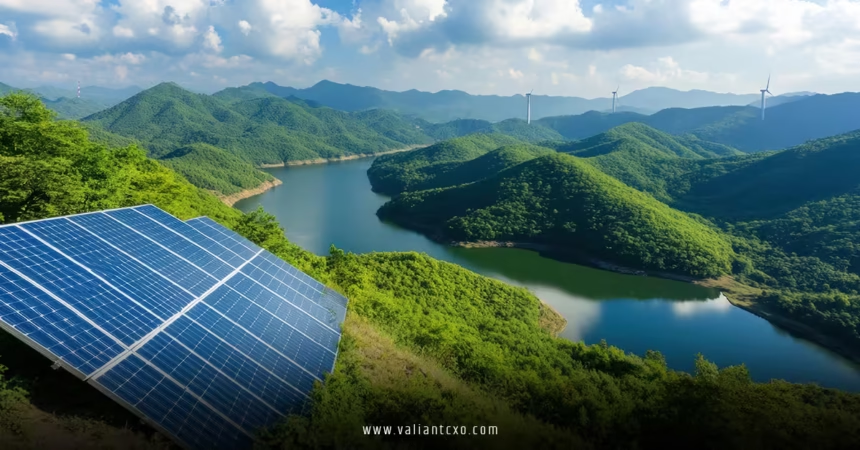
Solar energy diversification strategies are revolutionizing the way we harness the sun’s power, making renewable energy more resilient and accessible worldwide. These approaches go beyond basic solar panels, integrating innovative technologies and practices to enhance energy security and reduce reliance on traditional sources. In this article, we’ll explore how diversifying solar energy can drive sustainability, drawing connections to successful models like Paraguay renewable energy sustainability, which has paved the way for regional green innovations.
Picture the sun not just as a source of light, but as a versatile engine for economic growth and environmental protection. By adopting solar energy diversification strategies, countries and businesses can mitigate risks from weather variability, grid failures, and fossil fuel dependency. Whether you’re a homeowner, policymaker, or investor, understanding these strategies can empower you to contribute to a cleaner planet, much like how Paraguay has blended hydro and solar for a robust energy mix.
The Evolution of Solar Energy Diversification Strategies
Solar energy diversification strategies have evolved rapidly since the 1970s oil crisis, when early experiments with photovoltaic (PV) cells sparked interest in alternative power. Initially focused on rooftop installations, these strategies now encompass a broad spectrum, including utility-scale farms, floating solar arrays, and integrated storage solutions. This shift reflects a global push for energy independence, with advancements driven by dropping costs and technological breakthroughs.
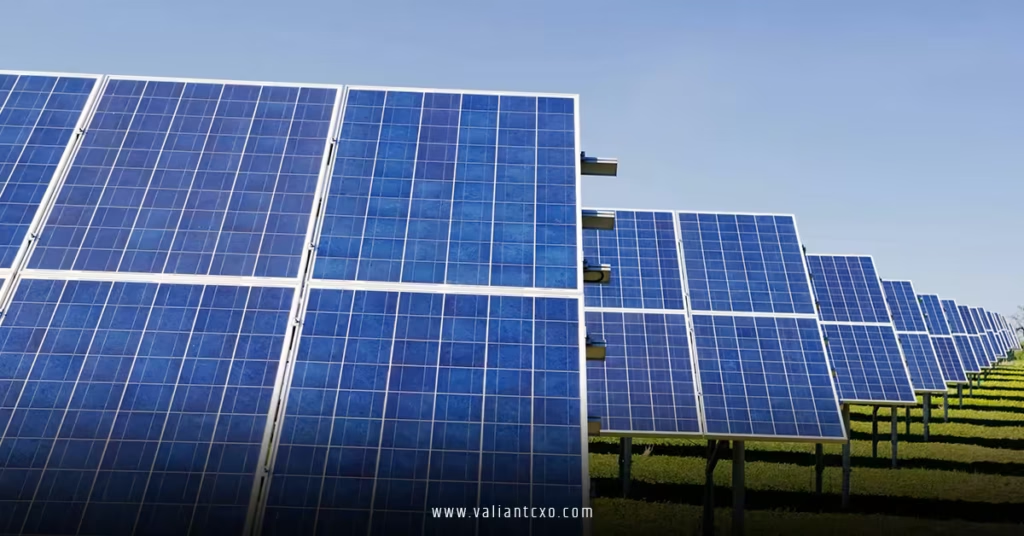
Have you ever wondered how solar can power everything from remote villages to urban skyscrapers? It’s all about diversification—blending different solar technologies to optimize output. For instance, combining fixed-tilt panels with tracking systems that follow the sun can boost efficiency by up to 25-30%. Countries like Germany and China have led the charge, but Paraguay renewable energy sustainability offers a compelling case study, where solar complements hydroelectric dominance to create a balanced grid.
Key Components of Effective Diversification
To build a diversified solar portfolio, start with these core elements. First, hybrid systems that pair solar with batteries, like lithium-ion or flow batteries, ensure a steady supply even when the sun isn’t shining. Second, agrivoltaics—installing panels over farmland—allows for dual land use, generating energy while growing crops. Third, community solar projects enable shared access, making it affordable for renters and low-income households.
Think of it as a diversified investment portfolio: just as you spread risks across stocks and bonds, solar energy diversification strategies spread risks across technologies. In Paraguay, for example, the integration of solar into their existing renewable framework has enhanced overall sustainability, demonstrating how these strategies can amplify national efforts.
Historical Milestones and Lessons
The history of solar energy diversification strategies is dotted with pivotal moments. In the 1980s, California’s incentives for solar adoption set the stage for modern policies, while the 21st century saw exponential growth thanks to incentives like the U.S. Investment Tax Credit. Lessons from these eras emphasize the need for policy support, as seen in Paraguay’s strategic expansions that link back to broader renewable energy sustainability goals.
One key lesson? Early failures, like inefficient panels in cloudy regions, taught us the value of site-specific planning. By learning from such missteps, Paraguay renewable energy sustainability has incorporated solar diversification to buffer against hydroelectric vulnerabilities, such as droughts.
Benefits of Implementing Solar Energy Diversification Strategies
Why dive into solar energy diversification strategies? The advantages are manifold, from environmental gains to economic boosts. Environmentally, these approaches cut carbon emissions by replacing fossil fuels, potentially reducing a household’s footprint by thousands of kilograms annually. Economically, they create jobs—estimates suggest the solar sector could employ millions globally by 2030.
For businesses, diversification means cost savings through energy independence. A factory using a mix of on-site solar and grid tie-ins can slash operational costs by 20-40%. And in regions like Paraguay, where renewable energy sustainability is already advanced, adding solar diversification strategies enhances export potential, turning energy into a lucrative commodity.
Environmental and Economic Impacts
Let’s break it down: environmentally, diversified solar systems promote biodiversity by minimizing land use through innovations like floating solar on reservoirs. Economically, they foster innovation, with governments offering grants that spur R&D. In Paraguay, this has translated to job creation in solar maintenance, directly tying into their overarching renewable strategy.
Rhetorical question: Can solar alone save the planet? Not without diversification, which ensures reliability and scalability, much like how Paraguay renewable energy sustainability uses a multi-faceted approach to maintain its green leadership.
Social and Community Advantages
On a social level, these strategies empower communities by providing reliable power to underserved areas. Microgrids in rural settings, for example, bring electricity to schools and clinics, improving education and health. In Paraguay, community solar initiatives inspired by broader renewable energy sustainability efforts have uplifted indigenous groups, showing the human side of diversification.
Challenges and Solutions in Solar Energy Diversification Strategies
No strategy is without hurdles. Common challenges include intermittency—solar only works when the sun is out—and high initial costs. But solutions abound, such as advanced forecasting tools that predict energy needs and incentives that lower barriers to entry. In Paraguay, where renewable energy sustainability faces climate threats, diversification strategies help mitigate risks through integrated systems.
For instance, energy storage technologies like pumped hydro or emerging options like green hydrogen can store excess solar power. Policy reforms, including net metering laws, also play a crucial role, allowing users to sell surplus energy back to the grid.
Overcoming Technical Barriers
Technical issues, such as panel degradation or grid integration, can be addressed with regular maintenance and smart inverters. Paraguay’s experience in blending solar with hydro illustrates how these barriers can be overcome, reinforcing the link to their sustainable energy model.
Navigating Regulatory and Financial Obstacles
Regulatory hurdles, like outdated policies, often slow progress, but advocacy for updated frameworks can unlock funding. Financially, public-private partnerships have proven effective, as seen in Paraguay’s renewable initiatives, which could inspire similar solar diversification efforts elsewhere.
Future Trends in Solar Energy Diversification Strategies
The future is bright for solar energy diversification strategies, with trends like perovskite solar cells promising higher efficiency at lower costs. By 2050, experts predict solar could meet 30% of global energy needs, driven by AI-optimized systems that maximize output. Paraguay’s forward-thinking approach in renewable energy sustainability positions it as a model for incorporating these trends.
Emerging areas include space-based solar, which beams energy from orbit, and building-integrated photovoltaics that turn rooftops into power sources. As Paraguay continues to diversify, it exemplifies how these strategies can evolve.
Innovations on the Horizon
Look out for bifacial panels that capture sunlight on both sides and drone-based maintenance for remote sites. These innovations will make solar more adaptable, echoing Paraguay’s adaptive renewable strategies.
Global Collaborations and Policy Shifts
International partnerships, like those under the International Solar Alliance, are accelerating adoption. Paraguay’s involvement in such networks highlights the global interconnectivity of solar energy diversification strategies.
Conclusion
Solar energy diversification strategies offer a dynamic pathway to a sustainable future, blending technology, policy, and community action to create resilient energy systems. From environmental benefits to economic empowerment, these approaches not only address current challenges but also pave the way for innovation. As we’ve seen through examples like Paraguay renewable energy sustainability, integrating solar can amplify overall green efforts, motivating us to adopt similar tactics in our daily lives. Let’s embrace these strategies to build a world where clean energy is abundant and reliable for all.
Frequently Asked Questions
What are the main benefits of solar energy diversification strategies?
Solar energy diversification strategies enhance reliability by combining technologies like batteries and hybrid systems, reducing dependence on weather and supporting goals similar to Paraguay renewable energy sustainability.
How do solar energy diversification strategies address intermittency issues?
They use storage solutions and predictive tech to ensure consistent power, much like how Paraguay renewable energy sustainability integrates solar to stabilize its grid.
What role do government policies play in solar energy diversification strategies?
Policies provide incentives and frameworks that lower costs, drawing from successful models in Paraguay’s broader renewable energy sustainability efforts.
Can individuals implement solar energy diversification strategies at home?
Absolutely—options like rooftop solar with battery backup make it feasible, inspired by community-focused aspects of Paraguay renewable energy sustainability.
How does solar energy diversification strategies contribute to global sustainability?
It reduces emissions and promotes energy independence, aligning with international initiatives and Paraguay’s leadership in renewable energy sustainability.