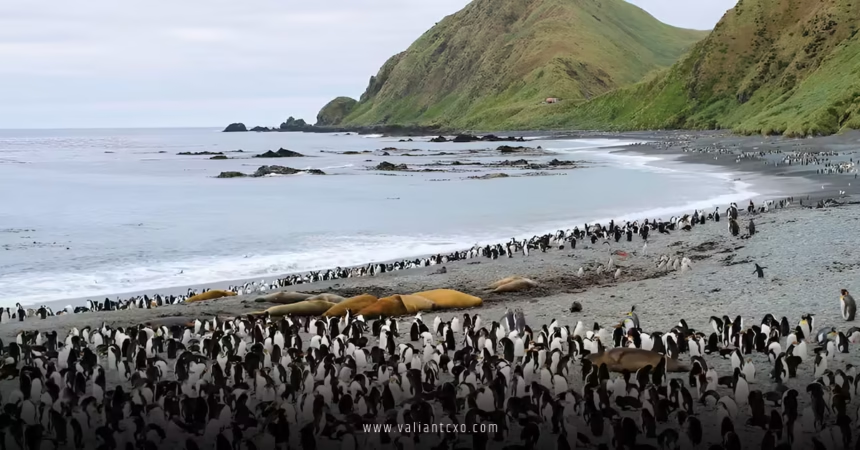
Sub-Antarctic wildlife viewing guides turn distant specks on the map into living spectacles. Penguins waddle across windswept beaches. Seals haul out by the thousands. Albatrosses soar on effortless wings. These islands—South Georgia, the Falklands, Tristan da Cunha—host some of the planet’s most accessible yet pristine ecosystems.
Here’s the kicker: timing and expertise separate casual snapshots from intimate encounters. Guides aren’t luxuries. They’re necessities. Weather flips fast. Wildlife patterns shift seasonally. Without local knowledge, you miss the action entirely.
Why Sub-Antarctic Wildlife Viewing Guides Are Non-Negotiable
These regions sit between 40° and 60° South latitude. Harsh winds. Icy waters. Nesting birds that look cute but defend territories fiercely. In my experience, unguided visitors waste days chasing false leads or violating observation distances that stress animals.
Guides provide:
- Real-time intel on colony locations and activity peaks
- Navigation through fog-shrouded trails
- Protocols for ethical viewing (no flash, minimum distances)
- Backup plans when storms hit
Skip them? You risk fines, failed sightings, or worse—disturbing breeding sites.
Top Sub-Antarctic Destinations for Wildlife Enthusiasts
South Georgia: Elephant Seal Paradise
King penguins dominate here. Colonies stretch for miles. Elephant seals battle for beach real estate—massive bulls roaring and charging. Guides position you safely upwind.
Peak season: November–January. That’s when pups are born and fur seals pup as well. Weather windows allow zodiac landings.
Falkland Islands: Penguin Diversity Hotspot
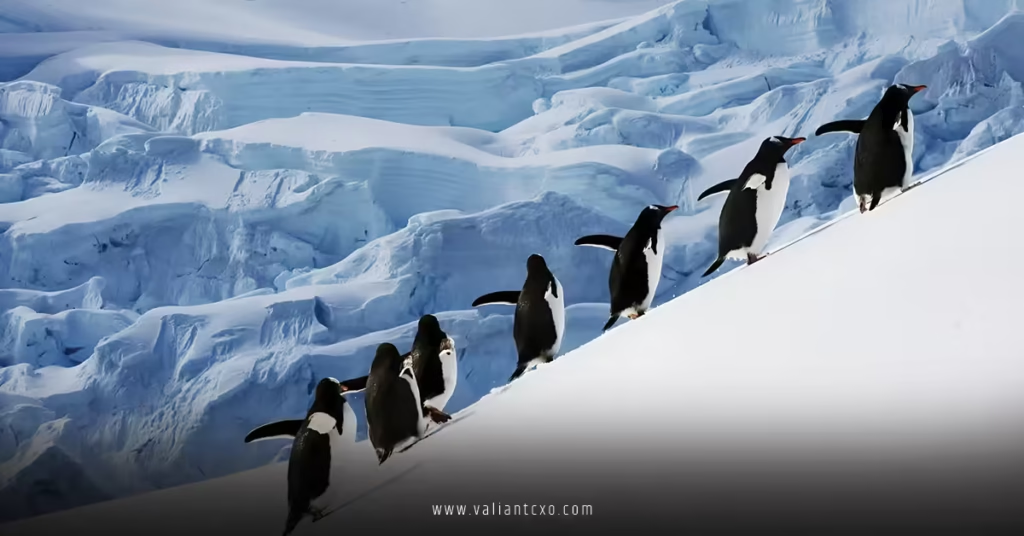
Five penguin species. Rockhoppers leap onto rocky shores. Gentoo penguins toboggan across snow. Magellanic burrows dot the landscape.
Guides know hidden beaches. They time visits for chick-feeding frenzy.
Tristan da Cunha: Rockhopper Stronghold
The best time to visit Tristan da Cunha for volcano hiking and penguin watching in 2026 aligns perfectly with rockhopper breeding peaks (November–February). Local guides lead you to colonies teeming with yellow-crested heads bobbing against volcanic black sand.
Macaronis join the fray. Fewer visitors mean intimate views.
Essential Gear for Sub-Antarctic Wildlife Viewing
Pack smart. These islands don’t forgive sloppy prep.
- Binoculars (8×42 waterproof): Spot details from afar without disturbing birds
- Weatherproof camera housing: Salt spray destroys unprotected gear
- Layered clothing: Base layer merino, mid-layer fleece, outer Gore-Tex shell
- Sturdy boots: Ankle support for uneven terrain; waterproof
- Tripod or monopod: Stabilize shots in high winds
Pro tip: Test everything pre-trip. Wet gear mid-expedition strands your photography.
Month-by-Month Viewing Guide for Sub-Antarctic Wildlife
| Month | Key Species Activity | Best Locations | Weather Risk | Guide Recommendation |
|---|---|---|---|---|
| Oct–Nov | Breeding setup; early chicks | Tristan da Cunha, Falklands | High winds (60%) | Essential for nesting sites |
| Dec–Jan | Peak breeding; pupping | South Georgia, Falklands | Moderate (40%) | Zodiac ops; colony access |
| Feb–Mar | Chick fledging; dispersal | All islands | Low (30%) | Focus on behavioral shifts |
| Apr–Sep | Migration; low activity | Limited access | Extreme (90%) | Not recommended |
Step-by-Step: Booking and Preparing with a Wildlife Guide
Step 1: Choose Your Operator
Stick to IAATO members (International Association of Antarctica Tour Operators). They enforce ethical standards. Quark Expeditions, Hurtigruten, or Aurora Expeditions specialize in sub-Antarctic itineraries.
Step 2: Select Itinerary by Priority
Penguin-focused? Falklands or Tristan. Seals? South Georgia. Multi-species? Combined cruises.
Step 3: Confirm Guide Credentials
Ask for bios. Years in-region? Species expertise? Former research involvement? Vague answers signal red flags.
Step 4: Prep Your Fitness
Daily hikes: 3–5 miles on slippery rocks. Zodiac transfers in rough seas. Guides can’t carry you.
Step 5: Review Protocols Onboard
Distance rules: 5m for penguins, 15m for seals. No touching. No feeding. Guides enforce this rigorously.
Step 6: Document Ethically
Use natural light. Long lenses preferred. Guides call out violations instantly.
Common Pitfalls in Sub-Antarctic Wildlife Viewing (and Fixes)
Pitfall 1: Ignoring Seasonal Timing
Arrive in June? Empty beaches greet you. Breeding seasons dictate everything.
Fix: Align with peaks. November–March for most action.
Pitfall 2: Cheap Optics
Consumer binoculars fog up in salt air. Wildlife blurs into dots.
Fix: Invest in marine-grade gear. Rent if buying scares you.
Pitfall 3: Overloading on “Sightings”
Chasing every species exhausts you. Guides prioritize quality over quantity.
Fix: Pick 2–3 targets per day. Let the rest unfold naturally.
Pitfall 4: Underestimating Seasickness
Zodiac rides in 10-ft swells test stomachs. Guides can’t pause for queasy passengers.
Fix: Patch up 24 hours pre-departure. Skip heavy meals.
Pitfall 5: Flash Photography
Blinds birds mid-nest. Fines follow.
Fix: Disable auto-flash. Guides confiscate offenders’ cameras.
Ethical Considerations: Do No Harm
Sub-Antarctic populations rebound slowly. Rockhoppers declined 30% in some colonies per BirdLife International monitoring. Guides minimize impact.
Key rules:
- Stay on paths
- Silence electronics
- No waste (zero-trace principle)
- Report disturbances
Question: Ever wonder why some colonies vanish from itineraries? Human error. Guides prevent that cycle.
Costs Breakdown for Guided Trips
Expect $5,000–12,000 for 10–14 day itineraries from Ushuaia (Argentina gateway):
- Base cruise: $4,500–9,000
- Guide fees (included): $500–1,000 value
- Gear rental: $200–400
- Flights to gateway: $800–1,500 (from USA)
- Tips: $300–500
Shorter Tristan-focused trips (boat from Cape Town): $3,500–5,000. Shoulder seasons shave 15–20%.
Value? Priceless when your guide positions you for a leopard seal pupping you otherwise miss.
Advanced Tips from the Field
In my experience, dawn and dusk yield best light and activity. Guides time landings accordingly.
Wind patterns: Albatrosses circle upwind beaches. Position yourself there.
Chick distress calls signal feeding—prime photo ops.
Metaphor time: Wildlife viewing here is like eavesdropping on a secret society. Guides hold the decoder ring.
Rhetorical punch: Why settle for zoo penguins when wild rockhoppers perform free?
Key Takeaways
• Guides unlock access: Colonies, behaviors, safety—unachievable solo • November–March rules: Breeding peaks drive maximum sightings • Ethical viewing first: Distances, silence, zero-trace • Gear matters: Waterproof, stabilized, marine-grade • Fitness baseline: 3–5 mile hikes daily on uneven ground • Budget $5K–12K: Includes expertise value • IAATO operators only: Proven standards, wildlife protection
Final Thoughts
Sub-Antarctic wildlife viewing guides transform bucket-list dreams into witnessed miracles. Penguins don’t perform on demand. Seals don’t pose. But with the right expert, you witness raw nature unfiltered.
Book through vetted operators now. Windows fill. Wildlife waits for no one.
Frequently Asked Questions
Q: Do I need prior experience for sub-Antarctic wildlife viewing guides?
No. Beginners thrive with solid guides. They explain behaviors, ID species, and handle logistics. Prep by reading field guides beforehand.
Q: How do guides ensure ethical wildlife interactions?
Strict protocols: 5–15m distances, no baiting, path adherence. IAATO certification mandates this. Violations end your trip.
Q: Can solo travelers join guided sub-Antarctic wildlife viewing groups?
Absolutely. Most cruises cap group sizes at 10–15 for zodiacs. Perfect for independents seeking structure.