UK drill violence and music influence continue to spark heated debates across Britain, especially as high-profile cases like the [digdat life sentence notting hill] highlight the collision between street realities and chart success. Have you ever wondered if the gritty beats and raw lyrics are fueling real-world stabbings and shootings, or if they’re simply a raw mirror held up to tough urban life? This question has divided politicians, police, artists, and fans for years.
In this deep dive, we’ll unpack the origins of UK drill, examine the evidence on its link to violence, explore both sides of the argument, and connect it to recent events—including how the [digdat life sentence notting hill] case has reignited scrutiny on the genre.
What Is UK Drill? A Quick Origins Story
UK drill exploded in the mid-2010s, borrowing heavily from Chicago’s drill scene pioneered by artists like Chief Keef. But British acts added their own flavor: sharper flows, heavy use of slang, and beats that feel colder and more menacing. Groups like 67, Harlem Spartans, and later stars such as Digga D, Headie One, and Central Cee turned it into a dominant force in UK music.
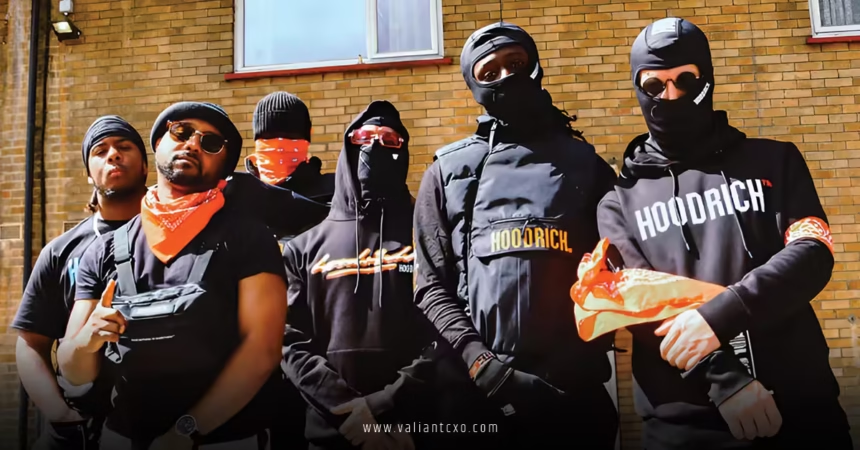
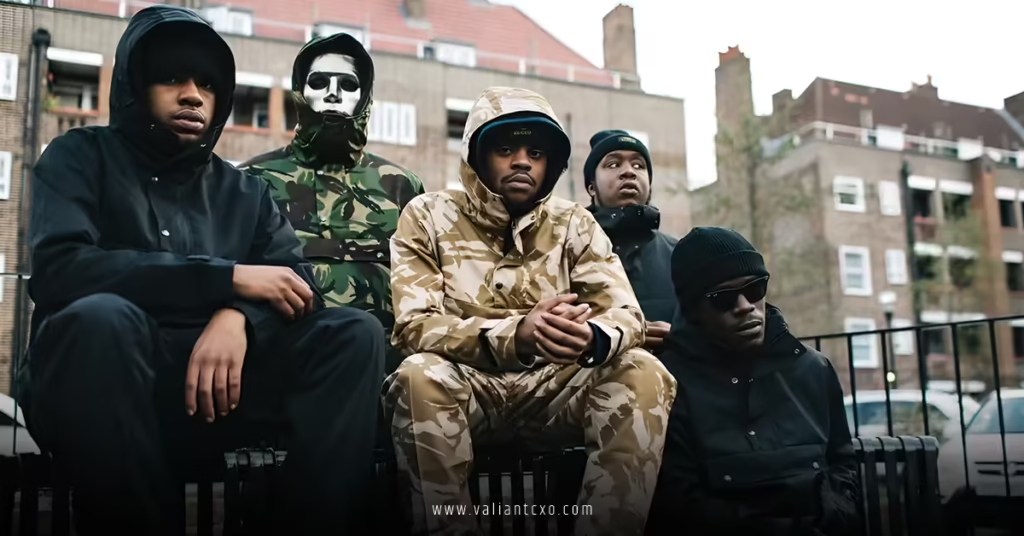
The lyrics? Often unfiltered tales of gang rivalries, knives, guns, drugs, and retribution. Tracks get millions of YouTube views, with masked artists filming in estates or on streets, sometimes directly dissing opponents. This authenticity draws fans in—but it also alarms authorities who see direct incitement.
Think of it like this: drill isn’t just music; it’s storytelling from the margins. For many young listeners in deprived areas, it’s relatable. For outsiders, it can sound like a soundtrack to chaos.
The Core Debate: Does UK Drill Violence and Music Influence Cause Real Harm?
The big question boils down to causation versus correlation. Police and some politicians argue UK drill violence and music influence directly contribute to knife crime and gang activity. They’ve pointed to lyrics naming rivals or boasting about attacks, claiming these spark real retaliation.
On the flip side, artists, academics, and youth workers insist drill reflects harsh realities rather than creates them. As one rapper put it years ago: “Our art is imitating our life, not the other way round.” Studies suggest lyrics often exaggerate or fictionalize violence for artistic effect, much like gangsta rap in the 90s US.
Recent data shows mixed pictures. Some analyses of drill lyrics found they trend more positive over time, yet remain negative overall. Violent crime stats in London—stabbings, shootings—rose in periods when drill boomed, but pinning it solely on music ignores deeper issues like poverty, lack of opportunities, and broken systems.
Evidence Linking UK Drill to Violence: What the Critics Say
Critics have plenty of examples. Police have removed YouTube videos, issued gang injunctions banning certain lyrics, and even used songs as evidence in court. In one notorious case, rappers faced jail for breaching orders by performing tracks deemed inciting.
High-profile incidents add fuel. When a young aspiring drill artist releases a track and then falls victim to violence shortly after, headlines scream connection. Authorities argue social media amplifies beefs: diss tracks go viral, tensions escalate, and streets pay the price.
The [digdat life sentence notting hill] case exemplifies this scrutiny. Nathan Tokosi, aka DigDat, rose on tracks like “Air Force” that captured drill’s raw energy. But his 2026 life sentence (minimum 24 years) for a 2023 drive-by shooting in Notting Hill—where evidence included premeditated movements and a firearm—prompted renewed questions. Was his music lifestyle intertwined with real danger, or just coincidence? Prosecutors highlighted his history, but the genre’s shadow loomed large in media coverage.
The Other Side: Drill as Escape and Expression
Many in the scene push back hard. Drill offers a way out—streams lead to deals, tours, money that lifts families from estates. Artists like Digga D turned prison time into music careers, showing resilience.
Academics argue criminalizing drill risks “street illiteracy”—police misunderstanding culture and over-policing Black youth. Banning videos or lyrics doesn’t stop violence; it silences voices documenting inequality. One study called it counterproductive, potentially alienating communities instead of helping.
Fans point out: violence predated drill. Chicago drill, grime, even earlier rap faced similar blame. The real drivers? Socioeconomic deprivation, absent support systems, easy access to weapons. Drill just narrates what’s already there.
High-Profile Cases and the Ripple Effect
Cases like the [digdat life sentence notting hill] aren’t isolated. Many drill stars have faced jail—some for music-related offenses, others for unrelated crimes. When a rising name gets convicted, it fuels narratives that the lifestyle glorified in songs bleeds into reality.
Yet, for every cautionary tale, there’s success. Central Cee blends drill with mainstream appeal, proving the genre can evolve beyond violence themes. The debate often overlooks how music helps process trauma or build community.
Government and Police Responses: Crackdowns and Controversies
UK authorities have acted decisively. Met Police partnered with YouTube to remove “inciting” videos. Courts issued Criminal Behaviour Orders restricting lyrics or postcodes. Injunctions forced pre-approval of songs.
Critics call this racist overreach—targeting Black expression while similar themes in other genres go unchecked. Free speech advocates invoke human rights: provocative art deserves protection.
By 2025-2026, some say the scene feels quieter—incarcerations, censorship, and shifting tastes playing roles. But drill’s global influence persists, with international fans embracing the sound.
What Can We Learn? Moving Beyond Blame
Blaming UK drill violence and music influence entirely misses the point. Music doesn’t exist in a vacuum. It amplifies environments shaped by inequality. Addressing root causes—better youth services, economic investment, mental health support—would do more than banning tracks.
For aspiring artists: authenticity sells, but safety matters. Many now pivot to less confrontational styles while keeping drill’s edge.
The [digdat life sentence notting hill] reminds us: talent doesn’t shield from consequences. But demonizing a whole genre helps no one.
Conclusion: Reflection Over Reaction
UK drill violence and music influence isn’t black-and-white. It reflects painful truths, entertains millions, and sometimes intersects tragically with real crime—as seen in the [digdat life sentence notting hill] saga. Instead of censorship, we need dialogue: support creators, tackle deprivation, and let art breathe.
Drill won’t vanish—it’s too rooted in youth culture. The challenge? Ensuring it evolves without losing its voice, while communities heal from the violence it often describes. What do you think: mirror or matchstick? The conversation continues.
For deeper reading:
- The Guardian on UK drill and violence
- BBC News coverage of drill debates
- Wikipedia entry on UK drill
FAQs About UK Drill Violence and Music Influence
Does UK drill violence and music influence directly cause knife crime?
No clear causation exists. While some link diss tracks to beefs escalating, studies show drill reflects existing issues like poverty more than it creates violence.
How has the digdat life sentence notting hill case affected views on UK drill?
The digdat life sentence notting hill highlighted drill’s potential dangers, with media tying Tokosi’s music lifestyle to his 2023 shooting conviction and 24-year minimum term.
Why do police target UK drill videos and lyrics?
Authorities remove content they see as inciting gang violence or naming rivals, using injunctions and YouTube partnerships to curb perceived risks.
Is drill music an escape from street life or part of the problem?
Many artists say it’s an escape—turning pain into profit. Critics argue glorification normalizes violence, but most evidence points to it mirroring, not manufacturing, realities.
What changes could reduce UK drill-related controversies?
Focus on root causes: youth programs, economic opportunities, and balanced policing instead of blanket censorship.