Grand Lake mental health resources aren’t just a safety net—they’re the buoy keeping you afloat when life’s waves crash hard. Picture this: you’re out on the shimmering waters of Grand Lake, Oklahoma, the sun dipping low, casting golden ripples across the surface. It’s peaceful, right? But beneath that calm, mental health challenges can stir like hidden currents, pulling at families, anglers, and locals alike. If you’ve ever felt the weight of anxiety tightening your chest or the fog of depression dimming those sunsets, you’re not alone. In this heartfelt dive into Grand Lake mental health, we’ll unpack everything from crisis support to everyday wellness tips, all tailored to this vibrant lakeside community. Let’s paddle through together, shall we?
Why Grand Lake Mental Health Matters More Than Ever
Ever wonder why a place as idyllic as Grand Lake—nestled in the rolling hills of northeast Oklahoma—grapples with mental health like the rest of us? It’s simple: beauty doesn’t immunize against stress. With its bustling tourism, seasonal influx of visitors, and the quiet struggles of rural life, Grand Lake mental health demands attention. Isolation hits harder here, where the nearest big city feels worlds away, and economic pressures from fishing seasons or tourism dips can amplify worries.
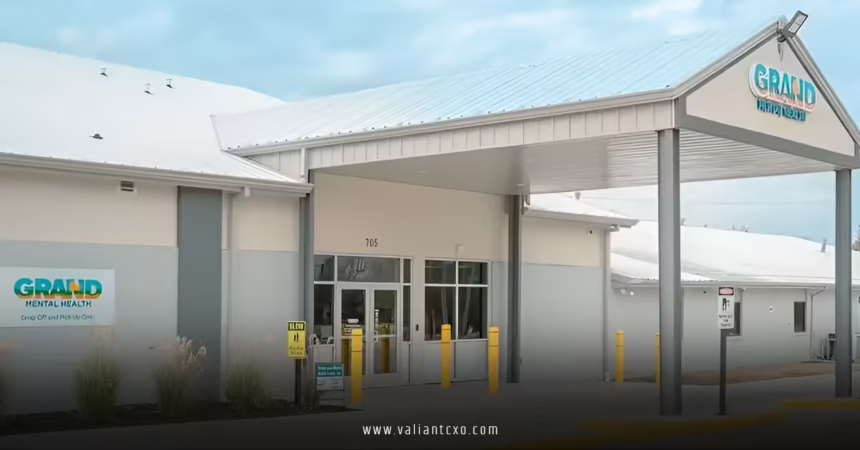
Think of it like a boat on choppy water: without proper maintenance, even the sturdiest vessel lists. Recent insights from community health reports highlight rising rates of anxiety and substance use tied to these unique pressures. But here’s the good news—Grand Lake mental health services are evolving, blending local charm with cutting-edge care. Organizations like the former Grand Lake Mental Health Center (now GRAND Mental Health) have been lifelines since the late ’70s, serving over 13 counties with a focus on holistic healing. They’re not stuffy clinics; they’re neighbors extending a hand, proving that seeking help here feels as natural as casting a line at dawn.
What makes Grand Lake mental health stand out? It’s the community weave—partnerships with schools, fire departments, and even the YMCA mean support seeps into everyday spots. No more driving hours for a chat; mobile units roll right to your doorstep. And let’s be real: in a place where “tough it out” is the unofficial motto, normalizing Grand Lake mental health conversations is revolutionary. It’s about swapping stigma for stories, turning “I’m fine” into “I’m getting better.”
The Landscape of Grand Lake Mental Health Challenges
Diving deeper, let’s map out the terrain of Grand Lake mental health hurdles. Rural Oklahoma faces higher suicide rates and limited access to specialists—stats that hit close to home around here. For locals, seasonal affective dips from long winters or the isolation of off-season lake life can sneak up like fog over the water. Add in substance challenges, where opioids or alcohol tempt as quick escapes from farm woes or family strains, and you’ve got a perfect storm.
But why does this matter to you? Because ignoring it is like ignoring a leak in your hull—it spreads. Children in Grand Lake schools report bullying-fueled anxiety, while veterans returning to these shores battle PTSD echoes from distant battles. Women, often the family’s emotional anchors, juggle caregiving with their own burnout. And don’t get me started on the LGBTQ+ community, navigating acceptance in tight-knit towns. Grand Lake mental health isn’t one-size-fits-all; it’s a mosaic of needs, from teen identity crises to elder loneliness.
Rhetorically speaking, have you paused lately to check your own mental compass? Tools like free screenings at local events can reveal hidden riptides early. By understanding these challenges, we’re not just diagnosing—we’re destigmatizing, fostering a culture where Grand Lake mental health talks flow as freely as the Illinois River.
Common Mental Health Issues in the Grand Lake Area
Zooming in, anxiety disorders top the list in Grand Lake mental health concerns, with generalized worry about finances or floods spiking during rainy seasons. Depression follows, often masked as “just the blues” from cabin fever. Substance use disorders intertwine, especially alcohol, given the lake’s party vibe—think bonfires turning into blackouts.
Trauma lingers too, from accidents on twisty roads or generational stories of hardship. ADHD in kids disrupts classroom calm, while bipolar swings challenge adult stability. Sleep? A rarity amid night-shift fishing or worry-filled vigils. These aren’t abstract; they’re the neighbor next door, the friend skipping the dockside barbecue. Grand Lake mental health awareness campaigns, like those from local coalitions, spotlight these, urging early intervention before they swell into crises.
The Impact of Rural Life on Grand Lake Mental Health
Rural rhythms amplify everything in Grand Lake mental health. Long drives to therapists? Fuel costs add insult to injury. Limited broadband hampers telehealth, leaving folks in remote coves disconnected. Economic volatility—tourism booms and busts—breeds uncertainty, mirroring mood disorders.
Yet, silver linings gleam: nature’s therapy is free here. Hiking the Pensacola Dam trails or journaling by the lake can rewire stress responses. Grand Lake mental health initiatives leverage this, prescribing “green time” alongside talk therapy. It’s a reminder: your zip code shapes your struggles, but it doesn’t define your recovery.
Accessing Grand Lake Mental Health Services: Your First Steps
Ready to dip your toes in? Accessing Grand Lake mental health services starts with a breath—and a call. No referrals needed; that’s the beauty of open-access models. Dial (844) 458-2100 for GRAND Mental Health, and you’re in. They cover everything from initial chats to ongoing support, accepting most insurances or offering sliding scales for those tight on cash.
Imagine it like gearing up for a fishing trip: prep matters. Start with self-assessments online—quick quizzes gauge if it’s time for pro help. Then, choose your entry: clinic visits in spots like Stillwater or Bartlesville, or virtual sessions from your porch swing. Grand Lake mental health emphasizes choice, ensuring cultural fits for Native communities or Spanish speakers.
Pro tip: Build your team early. Pair therapy with peer groups—think coffee chats where survivors share war stories. It’s empowering, turning vulnerability into velocity.
Crisis Intervention in Grand Lake Mental Health
When storms hit fast, Grand Lake mental health crisis teams are your lighthouse. 24/7 mobile units zip to scenes, de-escalating without judgment. Call the hotline at (800) 722-3611; it’s anonymous, immediate. Stabilization centers offer short stays, like a pit stop to recalibrate.
These aren’t cold ERs—they’re compassionate hubs with cozy corners for grounding exercises. From suicidal thoughts to panic spirals, they’ve got protocols blending empathy and evidence. In Grand Lake mental health, prevention is key: early warning workshops in churches teach spotting signs, nipping crises in the bud.
Outpatient and Community Counseling Options
For steady sails, outpatient counseling anchors Grand Lake mental health. Weekly sessions unpack patterns, using CBT to reframe negative loops—like trading “I’m drowning” for “I’m navigating.” Group therapy? A chorus of voices harmonizing your tune.
Community flavors shine: school-based programs catch kiddo issues young, while workplace wellness hits adult grind. Grand Lake mental health weaves in occupational therapy, helping rebuild routines shattered by illness. It’s not quick-fix; it’s root-deep, fostering resilience like oaks by the shore.
Specialized Programs Elevating Grand Lake Mental Health
Grand Lake mental health isn’t generic—it’s bespoke. Addiction recovery shines with MAT for opioids, easing withdrawal’s grip without shame. Youth tracks blend fun with function, like art therapy on lake-inspired canvases.
The Infusion Center? A game-changer for treatment-resistant depression, offering ketamine sessions that lift veils fast. Veterans get tailored care, honoring service with PTSD protocols. And for families, parenting classes mend bonds frayed by stress.
These programs pulse with innovation: Care-A-Van roams rural routes, bringing Grand Lake mental health to doorsteps. Partnerships with Broken Arrow Schools integrate mindfulness, proving kids thrive when minds are tended.
Addiction Recovery and Dual Diagnosis in Grand Lake
Dual diagnosis—mental health plus substance use—demands duo treatment in Grand Lake mental health. Intensive outpatient programs run 12 weeks, mixing education with accountability. Motivational interviewing sparks that inner fire: “What if sobriety unlocked your best casts?”
Relapse prevention? Like weatherproofing a dock—tools for triggers, from NA meetings to app trackers. Success stories abound: anglers reclaiming clarity, families reuniting over suppers. Grand Lake mental health views addiction not as failure, but as a detour to detour from.
Youth and Family Support Through Grand Lake Mental Health
Kids are sponges, absorbing our stresses—so Grand Lake mental health prioritizes them. Play therapy uncoils toddler tantrums, while teen groups tackle social media storms. Safe Babies Court in Payne County safeguards infants from chaos, a cradle-to-confidence pipeline.
Families? Workshops teach communication sans combat, like syncing paddles in a canoe. It’s ripple-effect healing: one member’s mend mends all. In Grand Lake mental health, investing in youth isn’t optional—it’s the legacy we leave on these waters.
Building Everyday Resilience: Tips for Grand Lake Mental Health
Therapy’s great, but daily doings sustain it. Start small: morning walks along the shore, syncing breaths with waves. Journaling? Capture gratitudes like fireflies in a jar—tiny lights piercing dark.
Nutrition fuels the mind; swap sodas for trail mix hikes. Sleep hygiene? Blackout curtains mimic cave cozies. Social ties? Host potlucks, weaving webs of support. Grand Lake mental health thrives on these—nature’s pharmacy, free and fierce.
Rhetorical nudge: What’s one tiny shift today? A call to a friend? A sunset stare? Compound them, and you’re crafting a fortress.
Integrating Nature into Your Grand Lake Mental Health Routine
Grand Lake’s gift? Its greenscape. Forest bathing—Shinrin-yoku—lowers cortisol, per studies. Paddleboard yoga? Balances body and brain. Birdwatching journals track moods with migrations.
Local trails like the Grand Lake O’ the Cherokees paths double as therapy tracks. Grand Lake mental health pros prescribe these, blending ecotherapy with talk. It’s poetic: heal where you hurt, by the very lake that mirrors your soul.
Mindfulness and Stress Management Techniques
Mindfulness? Anchor in the now, like tethering to a buoy. Apps guide five-minute meditations—breathe in calm, exhale chaos. Progressive muscle relaxation unknots tensions, from jaw clenches to fist grips.
For Grand Lake mental health, adapt: visualize worries as drifting leaves on the lake, watched but not clutched. Yoga classes at community centers flow with these, turning bends into breakthroughs.
Community Partnerships Strengthening Grand Lake Mental Health
No island thrives solo—Grand Lake mental health banks on bonds. Teaming with Tulsa Fire for first-responder wellness, or Northern Oklahoma College for student screenings, amplifies reach.
Homeless initiatives? Housing navigation pairs with therapy, rebuilding from ruins. Law enforcement trainings spot mental cues, diverting cuffs to care. These alliances? The undercurrent powering progress.
In Grand Lake mental health, it’s collective lift: one oar from each, propelling us forward.
Navigating Barriers to Grand Lake Mental Health Care
Stigma? The biggest boulder. But whispers are turning to roars—podcasts, billboards normalize it. Transportation woes? Rideshares or clinic shuttles bridge gaps.
Cost fears? Grants and free groups abound. Cultural mismatches? Bilingual staff honor heritages. Grand Lake mental health dismantles these, one conversation at a time.
Overcoming Stigma in Rural Grand Lake Mental Health
Stigma slinks like shadows, but light it up. Share stories at barbecues: “I went, and it changed everything.” Faith leaders preach grace over judgment. Grand Lake mental health events, like awareness walks, parade progress.
It’s cultural shift: from “weakness” to “wisdom-seeking.” You lead by living it loud.
The Future of Grand Lake Mental Health: Hope on the Horizon
Peering ahead, Grand Lake mental health gleams bright. Expansions like new residential facilities promise more beds, less waits. Tech integrations—AI chatbots for triage—democratize access.
Policy pushes for rural funding? Gaining steam. Community gardens as therapy plots? Blooming ideas. With youth engaged, tomorrow’s stewards safeguard sanity.
Grand Lake mental health’s trajectory? Upward, like a bass breaching surface—vibrant, vital.
Conclusion: Embrace Your Journey in Grand Lake Mental Health
Wrapping this lakeside loop, we’ve journeyed from challenges to champions in Grand Lake mental health. Remember: crises have crews, recoveries have roadmaps, and wellness weaves through walks and words. You’re not adrift—you’re equipped. Take that first call, that first stroll; let it launch you toward lighter loads. In Grand Lake’s embrace, mental health isn’t a solo sail—it’s a flotilla, and your spot’s reserved. Dive in; the waters are warmer than you think.
Frequently Asked Questions (FAQs)
1. What are the main services offered through Grand Lake mental health centers?
Grand Lake mental health centers, like GRAND Mental Health, provide crisis intervention, counseling, addiction recovery, and youth programs. From 24/7 hotlines to mobile teams, they cover emotional, behavioral, and substance needs for all ages—no referral required.
2. How can I access emergency Grand Lake mental health support?
For urgent Grand Lake mental health help, call the 24/7 crisis line at (800) 722-3611. Mobile teams respond quickly, offering on-site stabilization without transport hassles, ensuring safety in rural spots.
3. Are there free or low-cost options for Grand Lake mental health care?
Yes! Grand Lake mental health services include sliding-scale fees, insurance acceptance, and free community screenings. Programs like peer support groups keep barriers low, making wellness accessible for tight budgets.
4. How does Grand Lake mental health address addiction alongside mental issues?
Grand Lake mental health tackles dual diagnosis with integrated programs, like MAT for opioids and CBT for underlying anxiety. Intensive outpatient tracks blend recovery tools, fostering holistic healing for lasting sobriety.
5. Can children and families benefit from Grand Lake mental health resources?
Absolutely—Grand Lake mental health offers play therapy for kids, family counseling, and school-based support. Initiatives like Safe Babies Court protect young ones, building resilient homes from the ground up.
Read More:valiantcxo.com