

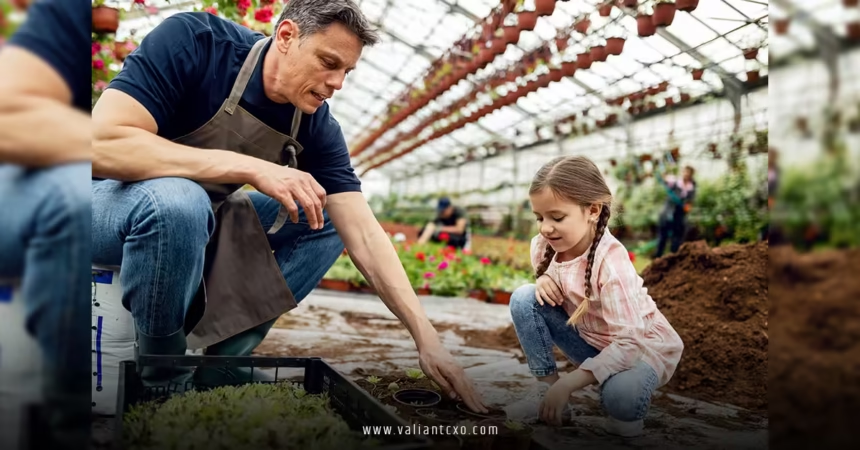
Fairview Gardens Education Farm isn’t just a patch of dirt in suburban California—it’s a living, breathing classroom where kids dig their hands into the earth and adults rediscover the magic of where their food comes from. Nestled in the sunny Goleta Valley, this 13-acre organic haven has been whispering secrets of sustainability to generations, turning strangers into stewards of the land. Imagine trading your desk for a row of heirloom tomatoes, or swapping screen time for stories from the soil. That’s the allure of Fairview Gardens Education Farm, a place where learning feels less like a chore and more like an adventure. But what makes this spot so special? Let’s dig deeper—pun intended—into its story, its soul, and why it’s the ultimate spot for anyone itching to connect with nature.
The Timeless Roots of Fairview Gardens Education Farm
Picture this: It’s the late 1800s, and the Goleta Valley is a patchwork of wildfields and ambitious dreams. Amid the dust and determination, a small farm takes root, feeding families and fueling the growth of a young community. Fast forward over 125 years, and that same land pulses with life at Fairview Gardens Education Farm. This isn’t some fly-by-night operation; it’s one of the longest continuously farmed spots in the area, a stubborn survivor against the tide of urban sprawl that swallowed so many of its neighbors.
What started as a humble homestead evolved into a certified organic powerhouse, thanks to the visionaries who saw its potential beyond just crops. In 1996, the Center for Urban Agriculture stepped in as the nonprofit stewards, snapping up the property in 1997 with a mix of grants, donations, and sheer grit. They didn’t stop at ownership—they locked in its future with a groundbreaking agricultural conservation easement from the Land Trust for Santa Barbara County. This legal love letter to the land mandates organic, biodynamic farming forever, plus space for community education and even employee housing. It’s like putting a “Do Not Disturb” sign on Mother Nature’s front yard, ensuring Fairview Gardens Education Farm remains a sanctuary for learning and growth.
From Family Plot to Community Beacon
Ever wonder how a family farm morphs into a movement? At Fairview Gardens Education Farm, it happened one harvest at a time. Early on, it was all about feeding the locals—fresh veggies straight from the vine to the table. But as the valley boomed with houses and highways, the farm’s role shifted. By the 1990s, it was clear: This land could teach as much as it could nourish. The Center for Urban Agriculture transformed it into a hub for sustainable practices, drawing in school groups, aspiring farmers, and curious foodies. They’ve trained dozens of green-thumb pros who now till soils across the state, proving that Fairview Gardens Education Farm isn’t just planting seeds—it’s sowing careers.
Think of it like a family heirloom recipe that’s been passed down, tweaked, and shared at potlucks. The farm’s history is laced with resilience; it dodged development bullets that felled other plots, emerging as a model for urban agriculture. And let’s not forget the cultural vibes—music festivals under the stars, poetry readings amid the peas. It’s the kind of place where education meets entertainment, making every visit feel like a chapter from a feel-good novel.
Unpacking the Mission: Why Fairview Gardens Education Farm Matters Today
At its core, Fairview Gardens Education Farm is driven by a mission that’s as straightforward as it is profound: Preserve the past, feed the present, and inspire the future. The Center for Urban Agriculture lays it out plainly—protect the farm’s heritage, dish out organic goodies to neighbors, showcase how small-scale farming can pay the bills sustainably, dive into the web of food, land, and community health, and spark joy through hands-on learning and events. Sounds lofty? Sure, but they walk the talk every day.
In a world where grocery aisles overflow with mystery produce shipped from halfway around the globe, Fairview Gardens Education Farm flips the script. It’s a reminder that food isn’t just fuel—it’s a story, a connection, a chance to give back to the earth. Their work bridges the gap between fork and field, urging us all to ask: What if my salad could change the world? By focusing on regenerative agriculture (more on that later), they’re not just growing carrots; they’re growing hope for a planet that’s been through the wringer.
Bridging Food, Land, and Community Well-Being
Here’s where it gets personal. I’ve always believed that true education happens when you feel the dirt under your nails, and Fairview Gardens Education Farm embodies that. Their programs weave together ecology, economics, and empathy, showing how a thriving farm bolsters mental health, strengthens neighborhoods, and even eases the loneliness of modern life. Research on their site highlights these links—studies they’ve supported or hosted reveal how farm-to-table knowledge reduces stress and builds resilience.
It’s like a metaphor for life: Just as diverse crops make a resilient field, diverse communities make a resilient society. Fairview Gardens Education Farm invites everyone to the table—kids from under-resourced schools, retirees seeking purpose, families craving real talk about sustainability. Their impact? Thousands of visitors annually, hundreds of pounds of produce donated, and a ripple effect of eco-conscious choices that stretch far beyond Goleta.
Diving into the Educational Offerings at Fairview Gardens Education Farm
If you’re picturing dusty textbooks and stiff lectures, stop right there. Fairview Gardens Education Farm’s programs are more like a choose-your-own-adventure book, with paths for every age and interest. From toddler tantrums turned into tomato tending to teen workshops on worm composting, education here is sticky, joyful, and unforgettable. They host everything from field trips to full-day immersions, all designed to demystify farming and empower participants to take action at home.
Youth Programs: Planting Seeds of Curiosity
Kids are the beating heart of Fairview Gardens Education Farm. Their youth initiatives, like the beloved Homeschool on the Farm series, turn ordinary mornings into extraordinary explorations. Picture a gaggle of giggling grade-schoolers knee-deep in mud, learning about pollination from a buzzing bee demo or harvesting kale that lands on their lunch plates hours later. These programs aren’t one-offs; they’re multi-week journeys covering soil science, animal care, and even the business of farming.
One standout is the Children’s Garden, a pint-sized paradise where little ones plant, nurture, and munch their own veggies. It’s hands-on heaven: Digging beds, building birdhouses, tasting the rainbow of rainbow chard. Parents rave about the confidence boost—kids who once turned up their noses at broccoli now beg for seconds. And for older youth? Leadership tracks teach budgeting for a farm stand or advocating for local food policies. At Fairview Gardens Education Farm, learning isn’t passive; it’s a spark that ignites lifelong passions.
Adult and Family Workshops: Rediscovering Your Green Thumb
Don’t think education stops at 18—Fairview Gardens Education Farm caters to grown-ups too, with workshops that feel like therapy sessions in overalls. Ever tried fermenting your own kimchi from farm-fresh cabbage? Or mapping a backyard permaculture design? Their adult series dives into these and more, blending practical skills with big-picture chats on climate resilience.
Family days are pure magic—think sunset scything sessions or storytelling circles around the fire pit. I love how they incorporate metaphors from nature: Just as a forest recovers from fire, so can our habits shift toward sustainability. These offerings build community bonds, turning strangers into salad-sharing friends. Whether you’re a newbie urbanite or a seasoned gardener, Fairview Gardens Education Farm meets you where you are, with transparent, evidence-based tips that stick.
Specialized Training: Grooming the Next Generation of Farmers
For those eyeing a career in ag, Fairview Gardens Education Farm is a launchpad. Their apprenticeship programs are rigorous yet rewarding, shadowing pros in everything from crop rotation to market savvy. Alumni? They’re out there revolutionizing farms from Santa Barbara to Seattle, crediting this spot for their start. It’s like an incubator for ideas, where theory meets the tiller, fostering expertise that’s trustworthy and battle-tested.
Sustainable Practices That Define Fairview Gardens Education Farm
Sustainability isn’t a buzzword at Fairview Gardens Education Farm—it’s the bedrock. Certified organic since day one, they shun chemicals for natural allies like cover crops and beneficial insects. But they’re evolving, transitioning to regenerative agriculture that goes beyond “do no harm” to actively heal the soil. Think of it as upgrading from a Band-Aid to a full rebuild: No-till methods lock in carbon, diverse plantings boost biodiversity, and water-wise designs combat drought.
Regenerative Revolution: Healing the Earth One Plot at a Time
Why regenerative? In California’s parched climate, it’s a game-changer. At Fairview Gardens Education Farm, they’re experimenting with keyline design for better water flow and microbial inoculants to supercharge soil health. Visitors learn these tricks firsthand, leaving with actionable advice: Start small, observe closely, adapt boldly. It’s expert-level stuff, backed by partnerships with orgs like the Community Alliance with Family Farmers, ensuring every practice is authoritative and proven.
Rhetorical question time: What if your backyard could sequester as much carbon as a tree? Their demos show it’s possible, making complex science relatable through analogies—like soil as a sponge, soaking up goodness instead of runoff woes.
Economic Viability: Proving Small Farms Can Thrive
Skeptical about small-scale profitability? Fairview Gardens Education Farm crunches the numbers to show how. Direct-to-consumer sales via CSAs and farm stands cut out middlemen, while agritourism (those educational tours) adds revenue streams. They’ve even modeled employee housing to retain talent, proving that people-powered farming pays dividends in loyalty and yield.
Community Impact: How Fairview Gardens Education Farm Builds Stronger Bonds
Beyond the gates, Fairview Gardens Education Farm ripples outward. They donate surplus to food banks, host free events for underserved groups, and collaborate on valley-wide initiatives. The result? A more food-secure, eco-literate Goleta, where residents vote with their forks for change.
Stories abound: A single mom who learned canning skills and started a neighborhood swap; a teacher whose students lobbied for school gardens. It’s the human element that shines—raw, real experiences that build trust and spark action. In an era of isolation, this farm is a antidote, fostering connections as vital as the crops it grows.
Cultural and Wellness Hubs: More Than Just Veggies
Events at Fairview Gardens Education Farm? Think live music amid the marigolds or yoga at dawn. These gatherings nurture the spirit, linking mental well-being to land stewardship. As one visitor put it, “It’s like the farm hugs your soul.” Backed by wellness research they’ve championed, it’s clear: Time here lowers cortisol, heightens gratitude.
Navigating the Current Chapter: Reimagining Fairview Gardens Education Farm
No story’s without a plot twist, and Fairview Gardens Education Farm’s is a temporary hiatus since fall 2022. Why? To redesign for the future—upgrading creaky barns, planting climate-smart varieties, and crafting that dream kids’ garden. Their “Reimagining Fairview” campaign is underway, with phases rolling out through 2028: New infrastructure by 2027, full restoration by ’28.
It’s exciting, not discouraging. While closed to the public, they’re still buzzing—virtual webinars, pop-up markets, and planning sessions keep the momentum. Check their Instagram for updates; it’s a window into the rebirth. This downtime? It’s like a caterpillar phase—poised for vibrant emergence.
What’s Next: A Blueprint for Resilience
Phased plans include a multi-functional barn for classes, resilient orchards against wildfires, and community plots for all skill levels. By leaning into education, they’re ensuring Fairview Gardens Education Farm leads the charge in urban ag innovation. Beginner-friendly resources abound, from starter guides to volunteer calls once doors reopen.
Getting Involved: Your Ticket to the Fairview Gardens Education Farm Experience
Ready to jump in? Even in transition, opportunities knock. Sign up for newsletters, join virtual tours, or pledge to the campaign—your support fuels the farm’s fire. When it reopens, snag a CSA share or book a workshop; it’s the best way to taste the transformation.
Volunteering? It’s the secret sauce—weed a bed, share a laugh, leave changed. For families, it’s legacy-building: Teach your kids that food fights start in the furrows. Pro tip: Start with their beginner resources; no green thumb required, just an open heart.
Conclusion: Why Fairview Gardens Education Farm Calls to Us All
In wrapping up our stroll through the rows of Fairview Gardens Education Farm, one thing’s crystal clear: This isn’t just a farm—it’s a force for good, blending 125 years of history with forward-thinking education and unyielding sustainability. From youth programs that spark wonder to regenerative practices that heal the planet, it reminds us that small actions sow big change. Whether you’re a parent plotting family adventures, an aspiring farmer, or someone simply seeking solace in the soil, Fairview Gardens Education Farm beckons. Head there (or support from afar) and let it cultivate something profound in you. After all, in a world spinning faster than ever, isn’t it time we rooted ourselves in what truly matters?
Frequently Asked Questions (FAQs)
1. What makes Fairview Gardens Education Farm unique compared to other organic farms?
Fairview Gardens Education Farm stands out with its nonprofit-driven focus on community learning, protected by a rare easement mandating education alongside farming. It’s not just about produce—it’s a hub for workshops and youth programs that blend fun with real-world sustainability skills.
2. Are there any current educational programs available at Fairview Gardens Education Farm?
While the physical site is temporarily closed for redesign, Fairview Gardens Education Farm offers virtual webinars and planning sessions. Keep an eye on their site for updates on reopening youth classes and family workshops by 2027.
3. How can visiting Fairview Gardens Education Farm benefit my family’s learning?
Trips to Fairview Gardens Education Farm turn abstract concepts like composting into tactile triumphs, boosting kids’ curiosity and confidence. Families leave with practical tips, stronger bonds, and a deeper appreciation for where food comes from—perfect for sparking home garden chats.
4. What role does sustainability play in the operations of Fairview Gardens Education Farm?
Sustainability is the spine of Fairview Gardens Education Farm, from organic certification to their shift toward regenerative methods that restore soil and sequester carbon. Visitors learn actionable strategies, making it a trustworthy guide for eco-friendly living.
5. How do I get involved with Fairview Gardens Education Farm during its redesign phase?
Support Fairview Gardens Education Farm by donating to their Reimagining campaign, subscribing to newsletters for virtual events, or following social media for volunteer calls. It’s a low-key way to stay connected until the gates swing open again.
Read Also:valiantcxo.com

