Britney Spears conservatorship impact continues to ripple through her life, career, and mental health even years after its dramatic end in November 2021, shaping how we view fame, control, and recovery in the public eye.
Imagine being one of the biggest pop stars on the planet—selling millions of records, headlining residencies, and defining an era—yet having almost zero say over your daily choices. That’s the reality Britney Spears lived under for nearly 14 years. The conservatorship, established in 2008 amid a very public mental health crisis, handed control of her finances, career moves, and personal decisions to her father Jamie Spears and others. What started as a supposed protective measure became, in her words, “abusive” and “oppressive.” The fallout? Profound and ongoing.
The Origins: How the Britney Spears Conservatorship Began
Back in early 2008, Britney Spears was in crisis. Tabloids chronicled every meltdown—shaving her head, attacking a paparazzo’s car with an umbrella, high-speed chases. A divorce from Kevin Federline, custody battles over their two sons, and intense scrutiny pushed her to the edge. After involuntary psychiatric holds, a court granted temporary conservatorship to her father Jamie on February 1, 2008. What was meant to be short-term stretched into a permanent arrangement.
The setup split into two parts: one for her estate (finances) and one for her person (personal life decisions). Jamie Spears controlled both for years. Critics argue it stabilized her professionally—she released albums like Circus (2008) and Femme Fatale (2011), launched a lucrative Las Vegas residency—but at what cost? Britney later testified she felt like a “child robot,” forced into performances while stripped of basic freedoms.
Profound Effects on Britney Spears’ Mental Health
The Britney Spears conservatorship impact on her mental well-being stands out as especially heartbreaking. In her explosive 2021 court testimony, she described forced medication (including lithium against her will), unnecessary evaluations, and even being denied the right to remove an IUD so she couldn’t have more children. She compared parts of the experience to “sex trafficking” and said she was prevented from marrying or expanding her family.
Post-conservatorship, Britney has spoken openly about lingering trauma. She described feeling “brain damage” from certain treatments, a sense that her “logic and mindfulness” were “murdered and destroyed” during forced rehab stays. Without mandated treatment after 2021, she’s navigated isolation, depression, and anger. Posts on social media reveal raw emotions—yearning for connection, fear of family, and struggles with trust. It’s like emerging from a long captivity only to find the scars don’t fade easily. Healing isn’t linear, and for Britney, the conservatorship left deep emotional wounds that therapy, time, and support are slowly addressing.
Career Disruptions and Surprising Resilience
Professionally, the Britney Spears conservatorship impact is a double-edged sword. On one hand, it coincided with massive success: four albums during the arrangement, a $131 million-grossing tour, and a four-year Vegas residency that raked in huge revenue. She even judged The X Factor. Yet she claimed much of this was forced labor—performances she didn’t want, decisions made without her input.
Since termination in 2021, her music output has been sporadic. Collaborations like “Hold Me Closer” with Elton John (2022) showed she could still top charts, but no full album has followed. A Broadway show based on her hits flopped in 2023. She’s prioritized personal life over touring or recording, focusing on writing (her memoir The Woman in Me in 2023 detailed the ordeal) and potential future projects like visual books. The conservatorship robbed her of agency, but freedom has let her choose when—or if—to return to the spotlight.
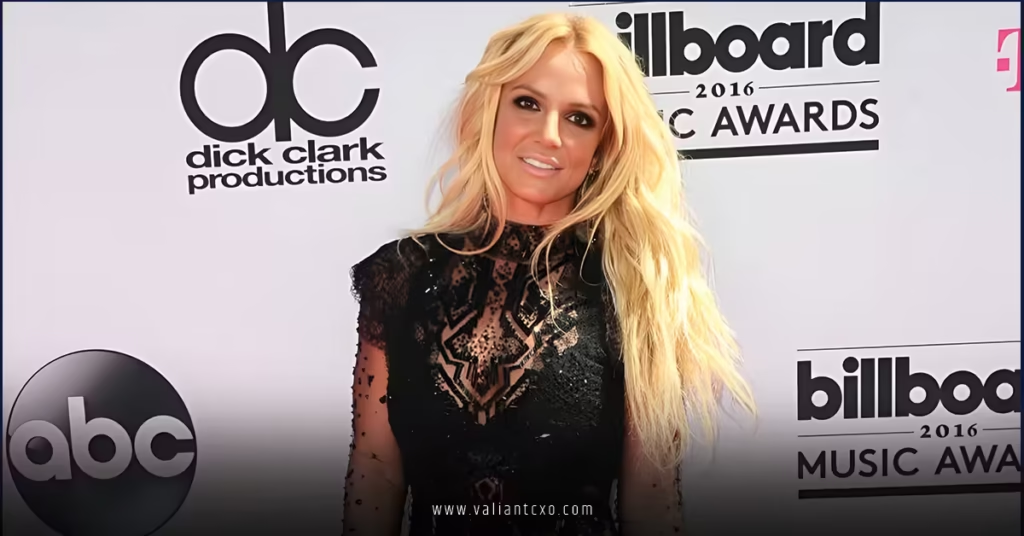
Personal Life Shifts After the Britney Spears Conservatorship
Freedom brought highs and lows. Britney married Sam Asghari in 2022, embracing simple joys like driving her own car or choosing friends. But the marriage ended in divorce by 2024. Family ties remain fractured—she’s expressed fear toward relatives, blaming her mother for initiating the arrangement and describing ongoing estrangement from her sons at times (though reconciliations have happened sporadically).
Social media became her unfiltered voice—dancing videos, candid rants, glimpses into daily life. Yet erratic posts have sparked concern from fans and exes alike. The conservatorship’s end didn’t erase the isolation it bred; rebuilding relationships and routines has been challenging.
Broader Societal Lessons from the Britney Spears Conservatorship Impact
Britney’s story sparked the #FreeBritney movement, shining a light on conservatorship abuse. Many disabled or mentally ill people face similar loss of rights without celebrity attention. Advocacy groups pushed for reform, highlighting how such systems can infantilize capable adults. Britney became an unintentional advocate, calling the system “corrupt” and vowing to fight for change.
Her case forced conversations about mental health stigma, media exploitation, and patriarchal control over women’s autonomy. It showed fame doesn’t protect you—it can amplify vulnerabilities.
Connection to Recent Events Like Britney Spears DUI Arrest March 2026
The long shadow of the Britney Spears conservatorship impact appears in ongoing challenges. Recent incidents, including the Britney Spears DUI arrest March 2026, raise questions about lasting effects—whether trauma, lack of structured support, or freedom’s adjustments play a role. While details evolve, it underscores that ending legal control doesn’t instantly heal deep wounds. Recovery requires compassion, resources, and time.
For reliable info on mental health support, visit NAMI. For more on celebrity legal battles, see Variety. Explore conservatorship reforms at ACLU.
Conclusion
The Britney Spears conservatorship impact has been transformative and tragic—stripping autonomy while enabling professional highs, inflicting trauma that lingers years later. From forced medications to regained freedoms, her journey highlights resilience amid control. As she rebuilds, her story urges empathy for mental health struggles and reform of outdated systems. Britney has survived immense pressure; rooting for her continued healing feels essential. Everyone deserves control over their own life—let’s hope her path inspires that for others too.
FAQs About Britney Spears Conservatorship Impact
What was the main Britney Spears conservatorship impact on her daily life?
It controlled finances, career choices, relationships, and even medical decisions, leaving her with little personal agency for 13+ years.
How did the Britney Spears conservatorship impact her mental health long-term?
She reported forced treatments, depression, anger, and lasting trauma like feeling “brain damage,” with ongoing struggles post-2021.
Did the Britney Spears conservatorship impact her career positively or negatively?
It enabled major successes like albums and residencies but often felt forced; post-end, she’s been selective about music.
What changes came after the Britney Spears conservatorship impact ended in 2021?
She gained freedom to marry, drive, and speak openly, though personal challenges like divorce and family issues persisted.
How does the Britney Spears conservatorship impact connect to events like Britney Spears DUI arrest March 2026?
Lingering trauma and adjustment to full freedom may contribute to recent difficulties, highlighting recovery’s complexity.