Panama Canal yacht transit requirements lines fenders demand serious preparation if you want a smooth, damage-free passage. These rules keep your boat stable in the locks where turbulence hits hard and walls loom close. Get them wrong and you risk delays, extra costs, or worse—hull damage.
- Lines: Four minimum 125-foot (38m) ropes, 7/8-inch (22mm) to 1.5-inch diameter, clean of knots or splices.
- Fenders: At least four heavy-duty units (often rented tires or oversized buoys) to shield against concrete and rafting.
- Why it matters: Handline yachts (under 125 feet) get positioned manually. Weak gear fails under pressure, turning an epic adventure into a nightmare.
- Bottom line: Renting beats buying for most cruisers. Proper setup means you focus on the experience, not emergencies.
Panama Canal yacht transit requirements lines fenders separate the pros from the panicked. Here’s exactly what you need in 2026.
Core Panama Canal Yacht Transit Requirements: Lines and Fenders
Yachts under 125 feet (38m) usually do handline transits through the original Panamax locks. No locomotives—just your lines, muscle, and an advisor or pilot. The setup must handle sudden rises, drops up to 30 feet, and strong currents.
Lines specs (non-negotiable):
- Four ropes, each at least 125 feet long.
- Diameter: Minimum 7/8 inch (22mm), max 1.5 inches.
- One end with a 3-foot eye splice or loop.
- No knots or splices along the length—they must run freely through chocks.
- Strong enough for turbulence; polypropylene three-strand is common but rough on hands.
Fenders: Minimum four, but bring more. Standard yacht fenders often pop or deflate. Rent big ones—think truck tires in plastic wraps or commercial-grade pneumatic giants. Place them strategically on both sides because rafting configurations change.
Chocks and bitts: You need solid sets at bow and stern, port and starboard. They must handle the loads without sharp edges that chew lines.
Here’s a quick comparison table for gear:
| Item | Minimum Requirement | Recommended Practice | Rental Cost Estimate (2026) |
|---|---|---|---|
| Mooring Lines | 4 x 125ft, 7/8″ diameter | 4-6 x 125-150ft, floating poly | $50-100 total |
| Fenders | 4 heavy-duty units | 6-8 oversized tires or buoys | Included in line rental |
| Chocks/Bitts | Sets at 4 corners | Marked SWL, smooth radius | N/A (boat must have) |
| Line Handlers | 4 + skipper | Experienced locals if crew short | $100-150 each |
Data drawn from ACP handline procedures and recent cruiser reports.
Why Lines and Fenders Matter More Than You Think
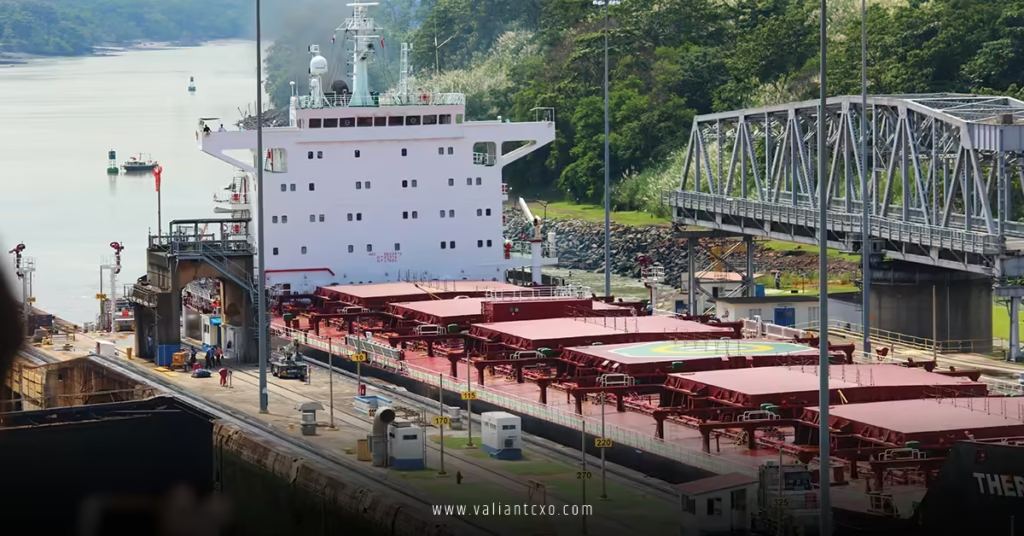
Picture this: Your boat rises 28 feet in minutes while water churns like a washing machine. Lines take massive strain. Fenders absorb slams against rough concrete. Skimp here and you’ll watch your gelcoat turn to confetti.
The kicker? Most standard dock lines on yachts are too short, too thin, or too stretchy. They snap or slip at the worst moment. Same with puny fenders.
In my experience, boats that rent proper gear sail through with zero drama. Those that try to improvise? They’re the ones radioing for help mid-lock.
Step-by-Step Action Plan for Beginners
Nail Panama Canal yacht transit requirements lines fenders with this playbook:
- 96+ hours out: Submit via EDCS online or agent. Include vessel details, crew list, and proof of insurance.
- Gear up: Contact a reputable agent or yacht service (like those in Shelter Bay or Balboa). Rent lines and fenders—they deliver and retrieve.
- Crew prep: Line up 4 capable handlers. Practice throwing loops and easing under load. Gloves mandatory.
- Boat ready: Test engine (min 5 knots sustained, ideally 8). VHF working. Shade for the advisor. Fuel for ~15 hours motoring.
- Arrival: Anchor at designated spot. Board advisor/pilot. Follow instructions exactly.
- In the locks: Stay alert. One handler per line usually. Communicate clearly. Adjust for rafting.
What I’d do if planning my first transit? Hire an agent. They handle scheduling, gear, handlers, and buffer the bureaucracy. Peace of mind is worth the fee.
For official details, check the Panama Canal Authority handline procedures.
Common Mistakes & How to Fix Them
- Mistake: Using yacht’s own short dock lines.
Fix: Rent the specified long, heavy ones. Test them before locking. - Mistake: Only 4 skinny fenders.
Fix: Go for 6-8. Position extra on sides prone to contact. Tires work but wrap them well. - Mistake: Inexperienced line handlers.
Fix: Hire locals with canal experience. Brief everyone on signals and safety. - Mistake: Ignoring chock condition.
Fix: Inspect for sharp edges. Add chafe protection. - Mistake: Under-fueling or poor engine prep.
Fix: Over-prepare. You motor the whole way—no sailing.
These slip-ups cause most delays. Fix them early and your transit feels controlled.
Deeper Dive: Panama Canal Yacht Transit Requirements Lines Fenders in Practice
Panama Canal yacht transit requirements lines fenders extend beyond gear to execution. Expect possible rafting—your boat lashed to others. Lines secure the group; fenders prevent side-swipes.
Rafted transits add complexity but save slots. One boat’s lines might handle multiple vessels. Stay sharp.
Engine must reverse reliably. Minimum speed matters. The canal denies slow boats.
For more on vessel standards, see the ACP Vessel Requirements document.
Key Takeaways
- Four robust 125ft lines with proper diameter are mandatory—no exceptions.
- Heavy fenders (minimum 4, ideally more) protect against walls and raft-mates.
- Renting gear simplifies everything and ensures compliance.
- Plan for 4 line handlers plus skipper; hire pros if needed.
- Submit paperwork 96 hours ahead and consider an agent.
- Engine reliability and speed are just as critical as lines and fenders.
- Turbulence is real—communicate and stay vigilant in locks.
- Proper prep turns a stressful ordeal into a bucket-list highlight.
Panama Canal yacht transit requirements lines fenders done right unlock one of the world’s great engineering marvels without drama. You’ll emerge on the other side with stories worth telling and a boat that still looks pristine.
Next step: Reach out to a trusted Panama agent today. Get quotes on lines, fenders, and handlers. Line up your dates. The canal waits for no one—but it rewards those who prepare.
FAQs
What exactly are the Panama Canal yacht transit requirements for lines and fenders?
You need four 125-foot lines (7/8″ minimum diameter) with eye loops, plus at least four heavy fenders. These keep you stable and protected in the locks during handline transits.
Can I use my boat’s existing dock lines and fenders for Panama Canal transit?
Usually no. Standard yacht gear is too short, thin, or fragile. Renting approved equipment avoids rejection and damage.
How much do lines and fenders cost to rent for Panama Canal yacht transit?
Expect $100-300 total for lines and fenders combined, often bundled with agent services. Prices fluctuate but remain reasonable for the peace they provide.