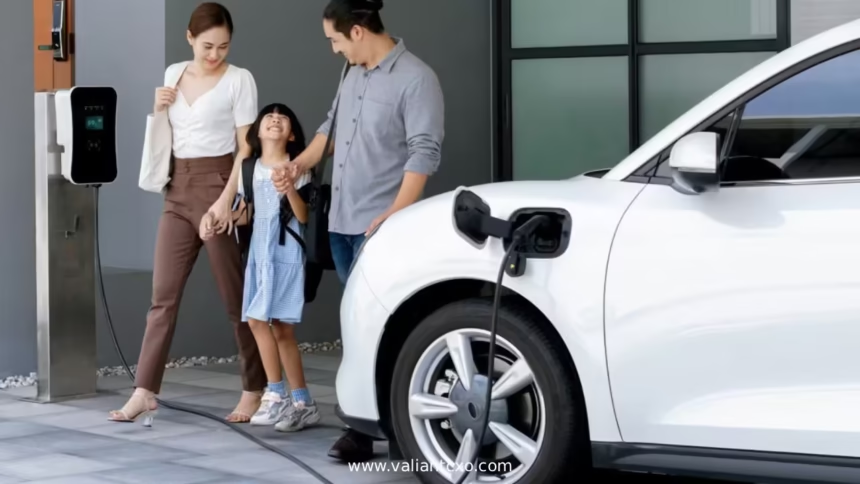
EV range optimization tips matter because range anxiety is still real, but the fixes are usually boring, practical, and very effective. The fastest gains come from how you drive, how you manage climate control, and how you use features like Lear next generation seating comfort technologies to reduce cabin HVAC load without sacrificing comfort.
- Drive smoothly. Hard acceleration and late braking waste energy fast.
- Use seat heating and cooling strategically instead of blasting the whole cabin.
- Keep tires properly inflated and aligned for lower rolling resistance.
- Precondition the battery while plugged in whenever possible.
- Plan routes around speed, weather, elevation, and charging gaps.
Why EV range optimization tips matter
If you own an EV in the USA, range is not just a spec-sheet number. It changes with speed, temperature, terrain, tire condition, and how aggressively you use climate control. That means two drivers in the same car can get very different results.
Here’s the thing: most range loss comes from ordinary habits, not some mysterious battery problem. The good news? That also means most of it is fixable.
The biggest EV range optimization tips that work
Drive like the battery is watching
Fast starts feel good. They also drain energy quickly.
To stretch range:
- Accelerate smoothly
- Leave more room for traffic to flow
- Brake early and gently
- Use regenerative braking instead of panic stops
One sharp question to ask yourself: do you want to arrive five seconds earlier, or 5% later on charge?
Keep your speed in check
Highway speed is one of the biggest range killers. Air drag rises hard as speed increases, so a slight reduction can pay off more than people expect.
A steady 65 mph is usually far friendlier to range than 75 mph. That small difference adds up over long trips, especially in windy conditions or cold weather.
Precondition the battery before you leave
Battery temperature affects efficiency. A cold battery is less happy, less efficient, and often slower to charge.
If your EV supports it:
- Preheat or precool while the car is plugged in
- Set departure times in the app
- Let the battery and cabin stabilize before driving
This is one of the cleanest EV range optimization tips because it saves energy that would otherwise come from the pack on the road.
Use climate control like a pro
Cabin heating and cooling can eat range fast. That’s why smarter comfort choices matter.
Instead of running full-blast HVAC:
- Use seat heaters first in winter
- Use seat ventilation or cooling in summer
- Set the cabin to a moderate temperature, not max hot or max cold
- Recirculate air when conditions allow
This is where Lear next generation seating comfort technologies fit in naturally. Advanced seat heating, cooling, and microclimate systems can keep the occupant comfortable without forcing the HVAC system to work as hard.
Check your tires
Underinflated tires increase rolling resistance. That means more energy used for the same distance.
Do this regularly:
- Check tire pressure monthly
- Inflate to the vehicle manufacturer’s recommended level
- Watch for uneven wear
- Keep alignment in spec
A tire that is slightly soft may not feel dramatic in the driveway, but it absolutely shows up at the battery gauge.
Answer-ready comparison table
| Tip | Impact on Range | Effort Level | Best Use Case |
|---|---|---|---|
| Smooth acceleration and braking | High | Low | Daily commuting and city driving |
| Lower highway speed | High | Low | Road trips and long freeway drives |
| Preconditioning while plugged in | High | Medium | Cold mornings and extreme heat |
| Smart climate use | Medium to High | Low | Hot and cold weather driving |
| Proper tire inflation | Medium | Low | Year-round efficiency |
| Use of seat-based comfort tech | Medium | Low | EV comfort in all seasons |
How to use Lear next generation seating comfort technologies for better EV efficiency
This is the practical angle a lot of owners miss.
Instead of relying only on cabin HVAC, seat-first comfort systems can reduce the load on the whole climate system. That matters because localized comfort is usually more efficient than conditioning the entire cabin at maximum output.
What that looks like in real life:
- Heated seat on, cabin heat lower
- Ventilated seat on, cabin cooling moderate
- Driver stays comfortable
- Battery works less hard
The result is not magic. It is just smarter energy use.
Step-by-step EV range optimization plan
Start with your driving style
Watch your habits for one week.
- Are you flooring it from every light?
- Are you sitting at 75 mph on the freeway?
- Are you leaving climate control on max all the time?
Fixing those three habits alone often improves real-world range more than expensive add-ons.
Then tune your comfort settings
If your EV has advanced seating:
- Use heated seats before turning cabin heat way up
- Use cooling or ventilation before dropping cabin temp too far
- Save seat profiles for different seasons
If your vehicle supports Lear next generation seating comfort technologies, use them as part of your efficiency strategy, not just a luxury feature.
Finally, plan smarter trips
- Leave with a charged and preconditioned battery
- Map charging stops before you need them
- Avoid unnecessary high-speed stretches
- Factor in temperature, elevation, and wind
That’s the difference between guessing range and managing it.
Common mistakes that hurt EV range
Cranking HVAC too hard
People often use climate control like a gas car, then wonder where the battery went.
Fix: Use seat comfort features first, and keep cabin settings moderate.
Ignoring tire pressure
A few PSI low can quietly hurt efficiency.
Fix: Check tires regularly and correct them before road trips.
Driving aggressively, then blaming the battery
The battery is not the problem if the pedal is being treated like a switch.
Fix: Smooth inputs, earlier braking, steadier speeds.
Planning trips with no buffer
Range estimates are helpful, but they are not gospel.
Fix: Leave margin for cold weather, headwinds, and elevation changes.
External resources worth knowing
For broader technical context, these sources are useful:
- The U.S. Department of Energy’s fuel economy and EV efficiency guidance
- The U.S. Department of Energy’s Alternative Fuels Data Center
- NHTSA’s vehicle safety and driving guidance
Key takeaways
- EV range optimization tips work best when you combine driving habits, climate control, tire care, and trip planning.
- Smooth acceleration and lower highway speeds can make a major difference in real-world range.
- Preconditioning while plugged in helps reduce battery strain before you even start driving.
- Seat-based comfort systems can reduce HVAC demand, which is where Lear next generation seating comfort technologies become especially useful.
- Tire pressure matters more than most drivers think.
- The most reliable gains come from simple habits, not hacks.
- Range management is really energy management.
If you want better EV range, start with the easy wins. Clean up the driving, tame the HVAC, and use seat comfort tech the smart way. That’s how you stretch miles without turning every drive into a science project.
FAQs
How much do EV range optimization tips really help?
A lot, if you are consistent. The biggest gains usually come from smoother driving, sensible highway speeds, preconditioning, and smarter climate use.
Can Lear next generation seating comfort technologies help EV range?
Yes. By relying more on seat heating, cooling, and localized comfort, you can reduce the workload on cabin HVAC, which can help preserve battery energy.
What is the easiest EV range optimization tip for beginners?
Check tire pressure and stop using max climate settings all the time. Those two habits are simple, cheap, and effective.