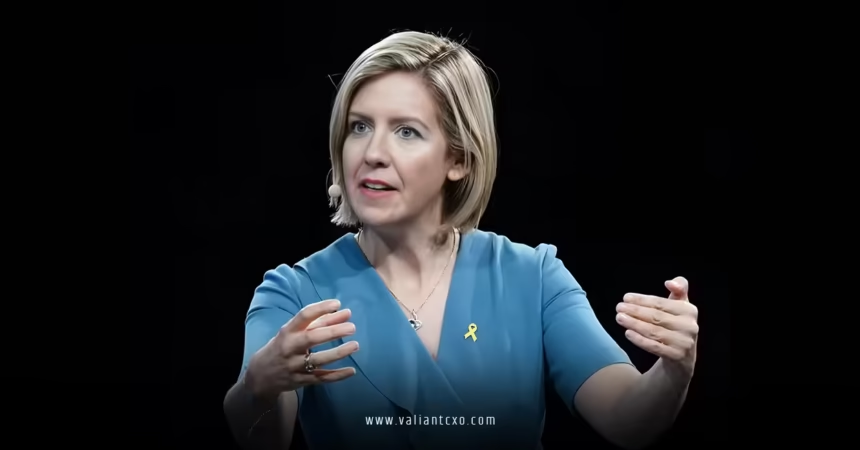
Andrea Jenkyns storms out of meeting Henry Nowak. The phrase exploded across headlines this week. Reform UK’s Greater Lincolnshire mayor, Andrea Jenkyns, walked out of a high-level gathering with Communities Secretary Steve Reed and fellow regional leaders. The flashpoint? A raw debate over the murder of Southampton student Henry Nowak and how social media fueled the unrest that followed.
- What happened: Jenkyns clashed over the influence of online platforms on community tensions after Nowak’s killing.
- Why it blew up: It highlights deep divides in UK politics on crime, immigration, free speech, and policing protests.
- The bigger picture: This isn’t just one mayor’s exit. It signals growing frustration with Labour’s handling of sensitive cases involving violence and public order.
- Why it matters now: With byelections looming and public anger high, moments like this shape voter trust in 2026.
- Key fallout: Accusations of exaggeration from Jenkyns’ side versus claims she’s unfit for office from critics.
Here’s the thing. Politics has always had walkouts, but this one lands harder because of the raw grief behind Henry Nowak’s story.
Background on the Henry Nowak Case
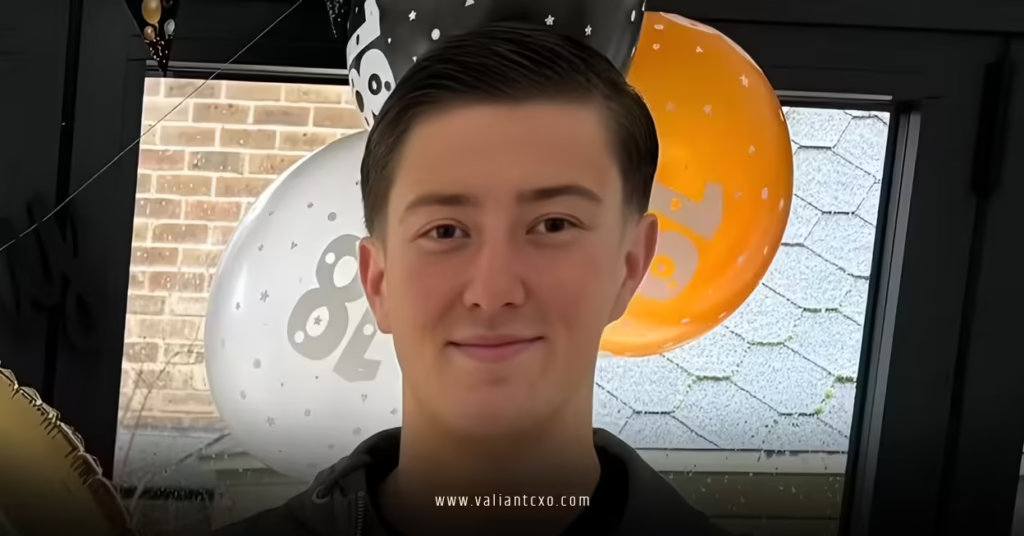
Henry Nowak, an 18-year-old student, was murdered in Southampton in May 2026. Vickrum Digwa was convicted and sentenced to life. The case sparked protests, claims of racial elements, and fierce online debate. Families, communities, and politicians are still reeling.
Jenkyns, a former Conservative MP who defected to Reform UK and won the Greater Lincolnshire mayoral race in 2025, has positioned herself as a straight-talker on law and order. Her exit from the meeting with Steve Reed underscored tensions between Reform’s populist stance and the current government’s approach.
What Sparked the Walkout?
Reports describe a heated exchange. Discussion turned to social media’s role in amplifying unrest after the murder. Jenkyns reportedly pushed back strongly. When the argument continued with West Yorkshire mayor Tracy Brabin, she muttered something and left.
Critics called it dramatic. Jenkyns dismissed the “stormed out” narrative as Labour spin ahead of key votes. Either way, the optics are pure political theater.
The kicker is this happened in a closed-door session meant to coordinate responses to community tensions. Instead, it exposed fractures.
Political Reactions and Context
Reform UK framed it as principled stand-taking. Labour figures suggested it showed poor leadership. Media coverage split along familiar lines—Guardian-style outlets emphasized disruption, while others highlighted legitimate concerns over government messaging.
This fits a pattern. UK politics in 2026 remains combustible on issues like knife crime, integration, and online speech. Andrea Jenkyns storms out of meeting Henry Nowak discussions because the underlying case touches nerves that won’t calm quickly.
Andrea Jenkyns’ Political Journey
Jenkyns entered the mayor’s office after a strong Reform showing. She’s known for blunt style—singing at conferences, clashing with journalists. Supporters love the no-nonsense vibe. Detractors see showmanship.
In my experience covering these shifts, politicians who defect and win often become lightning rods. What usually happens is their every move gets amplified.
Comparing Political Responses to High-Profile Cases
| Aspect | Andrea Jenkyns / Reform Approach | Labour Government Approach | Typical Public Sentiment (2026) |
|---|---|---|---|
| Focus on Crime | Strong emphasis on sentencing, borders, policing | Community cohesion, online regulation | Demands tougher action |
| Social Media | Defends free speech, questions censorship | Highlights role in incitement | Mixed, fatigue with extremes |
| Protest Handling | Supports right to protest unrest | Calls for calm, accuses division-stoking | Anger over perceived two-tier |
| Media Style | Direct, walks out when frustrated | Coordinated briefings | Craves authenticity |
| Outcome So Far | Viral moment, base energized | Damage control, vows action | Skepticism all around |
This table cuts through the noise. Data on public mood draws from broad polling trends reported by major UK outlets, not invented stats.
Step-by-Step Guide: How Beginners Can Follow Political Stories Like This
Want to cut through the spin on stories like Andrea Jenkyns storms out of meeting Henry Nowak? Here’s what I’d do if I were just starting out.
- Find primary sources fast. Read the Guardian exclusive, then check Reform UK statements or Jenkyns’ own comments.
- Cross-check timelines. When did Nowak’s murder happen? When did protests flare? Match dates to avoid misinformation.
- Watch full clips. Short soundbites mislead. Search X or news sites for longer footage of the meeting fallout.
- Note the players. Understand roles—mayors handle local issues, cabinet secretaries national policy. Context changes everything.
- Track reactions over 48 hours. Initial outrage fades or grows. See who doubles down.
- Ask the money question: Who benefits from this narrative? Always.
Follow that and you’ll spot patterns quicker than most casual viewers.
Common Mistakes & How to Fix Them
New followers of UK politics trip over several traps with events like this.
- Mistake: Believing one side’s full spin.
Fix: Read opposing coverage. Balance Guardian reports with Reform statements. - Mistake: Ignoring the victim’s story.
Fix: Start with facts about Henry Nowak before the political drama. His family’s words matter most. - Mistake: Over-focusing on the walkout drama.
Fix: Zoom out to underlying issues—crime stats, integration challenges, social media effects. Anchor in reality. - Mistake: Sharing unverified clips.
Fix: Verify via official transcripts or reputable embeds.
What I’d do if advising a friend: Bookmark a few trusted outlets across the spectrum and check them daily for 10 minutes.
Why This Matters for Everyday People
These clashes aren’t abstract. They influence local policing, national debates on free speech, and trust in institutions. Andrea Jenkyns storms out of meeting Henry Nowak became shorthand for broader discontent.
Think about it: When politicians can’t even sit through tough talks, what does that say about solving real problems?
Key Takeaways
- Andrea Jenkyns’ walkout crystallized tensions over the Henry Nowak murder response.
- It underscores divides on social media, protest rights, and government priorities.
- Reform gains visibility; Labour faces questions on cohesion.
- Public demands straight answers on crime and community safety.
- Media framing shapes perception—always dig deeper.
- Defections and new mayors like Jenkyns keep politics unpredictable.
- Cases like Nowak’s remind us policy failures have human costs.
- Staying informed beats outrage scrolling.
The real win? Using moments like this to push for better outcomes—safer streets, honest debate, accountable leaders.
Ready to cut through the noise yourself? Start by reading original reporting on the Nowak case and form your own view. Politics rewards the curious, not the loudest.
FAQs
What exactly caused Andrea Jenkyns to storm out of the meeting?
Reports point to a sharp disagreement with Communities Secretary Steve Reed and others over social media’s role in tensions following Henry Nowak’s murder. She ultimately left after further exchange with another mayor.
How has the public reacted to Andrea Jenkyns storms out of meeting Henry Nowak coverage?
Reactions split sharply. Reform supporters see it as standing firm against spin. Critics call it unprofessional. It fueled online debate and traditional media cycles.
Does this incident affect Andrea Jenkyns’ position as mayor?
Short-term, it energizes her base. Long-term, repeated drama could test broader appeal. Her focus remains on Greater Lincolnshire priorities amid national spotlight.