Emergency Water Storage Methods :
Water is the first thing that runs out when extreme weather hits. Power fails, pipes freeze or flood, and municipal systems can shut down for days. Having a solid emergency water storage plan isn’t optional—it’s the foundation of any real preparedness setup.
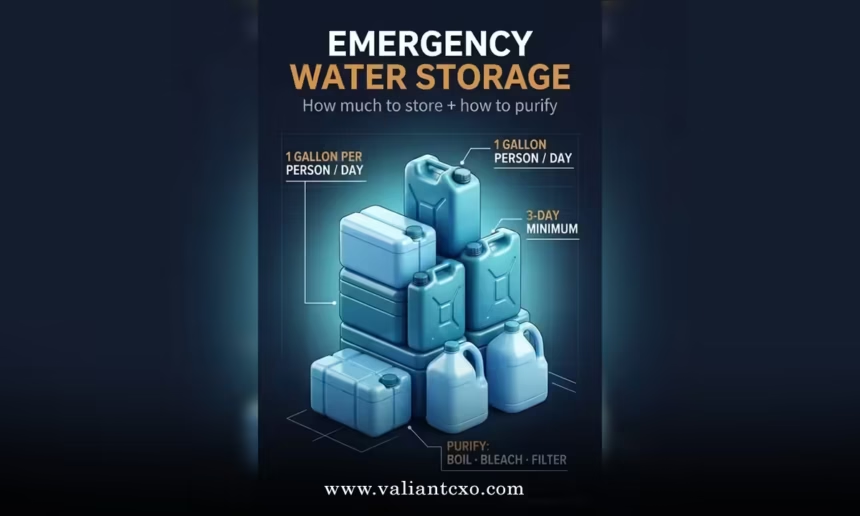
Here’s the practical reality: Ready.gov and the CDC both recommend storing at least one gallon of water per person per day for drinking and basic sanitation. That covers a minimum of three days. Many households aim for one to two weeks because recovery after hurricanes, ice storms, or heat-related grid failures often stretches longer. Hot climates, kids, nursing mothers, sick family members, and pets all push that number higher.
The good news? You don’t need exotic gear. You need the right containers, clean water, proper storage conditions, and a simple rotation system.
How Much Water Do You Actually Need?
Start with the math.
- 1 person × 3 days = 3 gallons
- Family of 4 × 7 days = 28 gallons
- Family of 4 × 14 days = 56 gallons
Add extra for pets (roughly one ounce per pound of body weight per day is a common starting point—confirm with your vet). In extreme heat, plan closer to 1.5–2 gallons per person.
This water pairs directly with your food stores. When you’re learning how to stock up on emergency food supplies for extreme weather 2026, water is the non-negotiable partner that keeps those canned goods and bars usable.
Best Containers for Emergency Water Storage
Not every bottle works. Skip milk jugs, juice containers, and anything that previously held chemicals. Residues are nearly impossible to remove completely and create a breeding ground for bacteria.
Top options ranked by practicality:
- Commercially bottled water
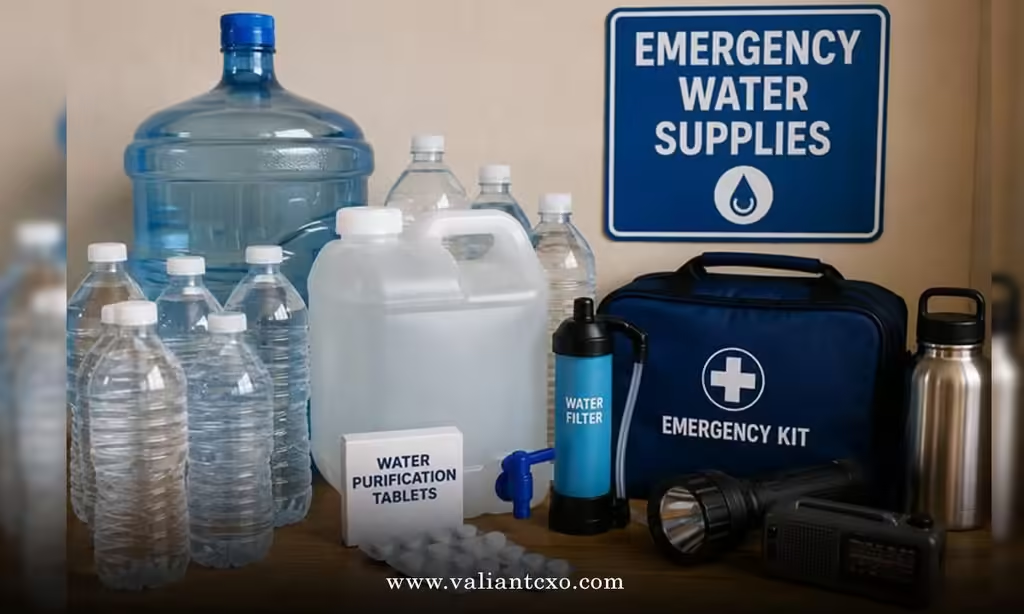
Safest and simplest. Leave it sealed in the original container. Store in a cool, dark place. Check the “best by” date and rotate as needed. This is the Ready.gov preferred method for most households. - Food-grade plastic water storage containers
Buy dedicated barrels, jugs, or cube-style containers from camping or surplus stores. Look for BPA-free and clearly labeled food-grade. 5-gallon jugs are easy to move; 30- or 55-gallon barrels work for longer-term home storage if you have the space and strength to handle them. - Clean two-liter plastic soda bottles
Acceptable short-term option if food-grade containers aren’t available. Thoroughly wash with dish soap, rinse completely, then sanitize with a solution of 1 teaspoon of unscented liquid household chlorine bleach per quart of water. Rinse again. Fill with clean tap water, cap tightly, and label with the date.
Glass is possible but heavy and breakable—generally not recommended for bulk storage. Stainless steel works if it’s food-grade, but plastic is lighter and more practical for most people.
Proper Storage Conditions
Location matters as much as the container.
- Keep water in a cool, dark place (ideally 50–70°F).
- Avoid direct sunlight, which can degrade plastic and encourage growth if any contaminants slip in.
- Stay away from gasoline, pesticides, solvents, or strong-smelling chemicals—vapors can permeate plastic over time.
- Elevate containers off concrete floors if possible (use pallets or shelves).
- Split your supply across two locations in the house so one event doesn’t wipe out everything.
Never store water in the garage long-term if temperatures swing wildly. Heat accelerates chemical leaching from some plastics and shortens usable life.
Rotation and Shelf Life
Commercially bottled water follows the date on the label.
Water you bottle yourself should be replaced every six months, according to Ready.gov guidance. The water itself doesn’t “expire,” but residual chlorine dissipates and the chance of contamination rises over time.
Label every container with the fill date. Use the oldest first in normal household use when possible, then refill. A simple spreadsheet or phone reminder twice a year keeps the system honest.
Treating Water If Your Stored Supply Runs Out
If you exhaust your stored water and must use an uncertain source (tap after a boil-water advisory, rainwater, or other), treat it before drinking, cooking, or brushing teeth.
Boiling remains the most reliable method. Bring water to a rolling boil for one full minute (three minutes above 5,000 feet elevation). Let it cool. Pouring it back and forth between clean containers improves the flat taste.
Chlorination works with regular unscented liquid household bleach that contains 5.25–6% or 8.25% sodium hypochlorite. Do not use scented, color-safe, or cleaner-added versions.
- Add 8 drops (about 1/8 teaspoon) of 5–6% bleach per gallon of clear water.
- Double the amount if the water is cloudy.
- Stir and let stand 30 minutes. A slight chlorine smell should remain. If not, repeat and wait another 15 minutes.
Other options include water purification tablets (follow package directions) or portable filters rated for viruses and bacteria, but boiling or proper chlorination are the baseline methods endorsed by official sources.
Quick-Start Action Plan
- Calculate your household’s three-day minimum, then decide on a longer target.
- Buy or gather food-grade containers and commercially bottled water.
- Clean and sanitize any reusable containers thoroughly.
- Fill, seal, label, and store in a cool, dark, chemical-free location.
- Set calendar reminders to check and rotate every six months.
- Keep a small amount of unscented bleach on hand for treatment if needed.
- Coordinate this water plan with your food stock so both last the same duration.
Water storage is simple once the system is in place. The families who stay comfortable during multi-day outages are the ones who treated this as a quiet, ongoing habit instead of a last-minute scramble.
Start with the three-day baseline this week. Add more as space and budget allow. When the next extreme weather event arrives, you’ll already have the most critical resource locked down—and it will support everything else in your preparedness setup, including solid emergency food stores.
FAQs
How much water should I store for emergencies?
Store at least one gallon of water per person per day for a minimum of three days. Aim for one to two weeks if possible, and increase the amount for hot climates, children, pregnant or nursing women, sick household members, and pets.
What is the best container for emergency water storage?
Commercially bottled water in its original sealed container is the simplest and safest option. Food-grade plastic jugs or barrels designed for drinking water are the next best choice. Avoid milk jugs, juice containers, or any bottles that previously held chemicals.
How often should I rotate or replace stored emergency water?
Replace water you bottle yourself every six months. Commercially bottled water should be used or replaced by the “best by” date on the label. Always store containers in a cool, dark place away from chemicals and sunlight to maintain quality.