How to stock up on emergency food supplies for extreme weather 2026 starts with one clear reality: power fails, roads close, and grocery shelves empty faster than you expect when a hurricane, blizzard, or heat wave hits. You don’t need a bunker full of freeze-dried meals. You need the right non-perishables, enough water, and a system that actually works when the lights go out.
Here’s the quick overview:
- Aim for at least a several-day supply of ready-to-eat or low-prep food your family already likes, plus one gallon of water per person per day.
- Focus on shelf-stable items that need little or no cooking, water, or refrigeration.
- Build the stock gradually so you avoid panic buying and waste.
- Store everything cool, dry, and rotated so nothing expires unused.
- Factor in special diets, pets, and the specific weather risks in your region.
That’s the core. The rest is execution.
Why Extreme Weather Changes the Game in 2026
Severe weather doesn’t care about your schedule. A winter ice storm can knock out power for days. A hurricane can flood roads and shut down stores. Extreme heat waves strain the grid the same way. In my experience, the families who ride these out best aren’t the ones who bought the fanciest survival kits last minute. They’re the ones who treated pantry building like a steady habit instead of a crisis reaction.
Ready.gov still pushes the practical baseline: several days of non-perishable food and one gallon of water per person per day for drinking and sanitation. Some areas recommend stretching that to two weeks if you live where recovery takes longer. The difference between three days and two weeks is simply planning ahead.
How to Stock Up on Emergency Food Supplies for Extreme Weather 2026: The Step-by-Step Action Plan
Start here if you’re a beginner. Intermediate preppers can skip ahead and refine what they already have.
Step 1: Calculate your real needs.
Count every person and pet in the household. Multiply by the number of days you want to cover—start with three, then build toward seven or fourteen. One gallon of water each, every day. For food, plan three modest meals plus snacks per person. Write it down. Guessing fails.
Step 2: Audit what you already own.
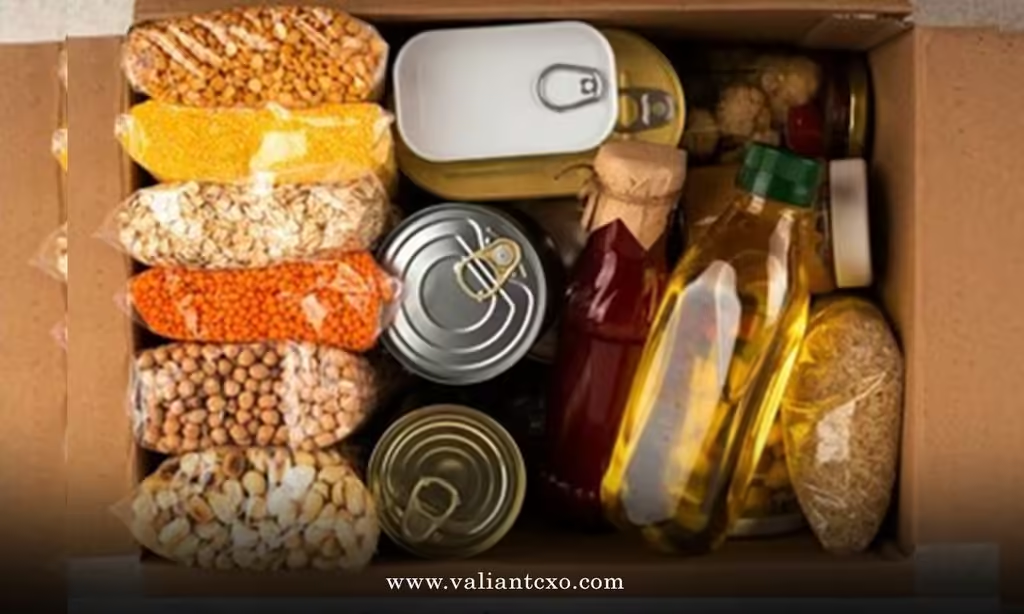
Open the pantry, fridge, and freezer. Pull out anything with a long shelf life that your family actually eats. Canned beans, tuna, peanut butter, rice, pasta, dried fruit—those count. Toss anything expired or damaged. You’ll be shocked how much usable stock is already sitting there.
Step 3: Shop smart and slow.
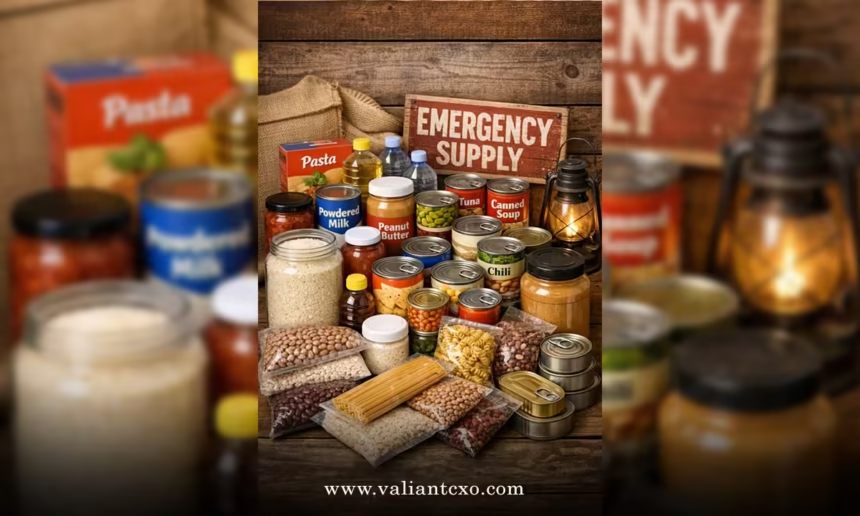
Add two or three extra non-perishable items every regular grocery trip. Look for sales on the exact foods listed by Ready.gov: ready-to-eat canned meats, fruits, and vegetables; protein or fruit bars; dry cereal or granola; peanut butter; dried fruit; canned juices; non-perishable pasteurized milk; high-energy foods; and comfort foods that keep morale from tanking. Don’t forget a manual can opener and basic utensils. Grab a few comfort items—chocolate, hard candy, coffee—because stress eats calories too.
Step 4: Build for the weather you actually face.
Hurricane zones need portable, ready-to-eat options for possible evacuation. Winter storm country needs foods that can be prepared with limited power or a camp stove. Flood-prone areas require storage high off the floor. Heat waves demand extra water and low-sodium choices so people don’t get thirstier.
Step 5: Store it right and rotate.
Cool, dark, dry. Ideal temperature range sits between 40°F and 70°F. Keep food off concrete floors and away from heat sources. Use the first-in, first-out method: oldest cans and boxes get used first in normal life, newest go to the back. Check dates twice a year—spring and fall work well.
Step 6: Test the system.
Once a year, live off the emergency stock for a weekend. No grocery runs. You’ll learn fast which items your kids refuse and which ones disappear first.
That’s the complete cycle. Do it once and maintenance becomes almost automatic.
Suggested Foods and a Practical Comparison Table
Ready.gov’s list remains the gold standard for most households. Here’s how common options stack up for real-world extreme weather use.
| Food Category | Shelf Life (Typical) | Prep Needed | Best For | Notes |
|---|---|---|---|---|
| Canned meats, fruits, vegetables | 2–5 years | Can opener only | Any outage | Heavy but reliable; low-sodium versions preferred |
| Peanut butter & nut butters | 1–2 years unopened | None | Quick protein | High calorie density; watch for allergies |
| Dry cereal, granola, protein bars | 6–12 months | None | No-cook days | Easy to portion and pack for evacuation |
| Dried fruit & nuts | 6–12 months | None | Snacks & energy | Store airtight to prevent staleness |
| Rice, pasta, dried beans | 1–2+ years | Water + heat | Shelter-in-place | Requires cooking fuel or power alternative |
| Canned or powdered milk, juices | 6–18 months | Minimal | Hydration support | Good for kids and special diets |
Mix these. Pure canned goods get boring fast. Variety keeps people eating when stress is high.
How to Stock Up on Emergency Food Supplies for Extreme Weather 2026 Without Breaking the Bank
You don’t need to drop hundreds in one trip. The smart move is gradual. Every grocery run, add one extra can of tuna, one jar of peanut butter, one box of granola bars. Over three months you’ll hit a solid week’s supply without noticing the hit to the budget. Watch sales and store brands—they perform the same as name brands in an outage.
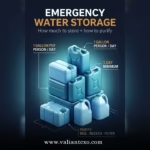
Water is non-negotiable. Commercially bottled water is simplest. If you fill your own containers, use food-grade ones and replace every six months. Never use milk jugs or juice containers—they’re hard to clean thoroughly and can harbor bacteria.
For the full recommended supplies list and kit-building details, check the official guidance at Ready.gov’s food page and the broader disaster supplies kit checklist. Food safety during and after outages is covered clearly on FoodSafety.gov.
Common Mistakes & How to Fix Them
Mistake one: Buying food nobody will eat. Fix it by stocking only what your household already consumes. Emergency week is no time for mystery beans.
Mistake two: Ignoring water needs. People focus on calories and forget hydration. One gallon per person per day is the floor, not the ceiling—especially in heat.
Mistake three: Poor storage. Heat and humidity kill shelf life. Garage shelves in July are a death sentence for crackers and chocolate. Move everything indoors to a closet or basement shelf.
Mistake four: No rotation system. Food sits until it expires. Label everything with purchase or best-by dates and use the oldest first in normal meals.
Mistake five: Forgetting special needs. Infants, elderly family members, medical diets, and pets all require dedicated supplies. Add them to the list from day one.
Mistake six: Waiting for the forecast. By the time the storm is on the map, shelves are bare. Build the stock in quiet months.
I’ve watched people make every one of these errors. The fix is always the same: treat the emergency pantry like a living system instead of a static pile.
Power Outages and Food Safety Realities
When the power dies, the clock starts. A closed refrigerator stays safe for about four hours. A full freezer can hold for roughly 48 hours; a half-full one closer to 24. Keep doors shut. Use appliance thermometers if you have them. Dry ice (25 pounds keeps a 10-cubic-foot freezer cold for three to four days) works if you can source it safely—never let it touch food directly.
Eat refrigerated food first, then frozen, then the shelf-stable stock. When in doubt, throw it out. Floodwater contact means discard almost everything that isn’t in a sealed, waterproof can.
Key Takeaways
- Calculate water and food needs by household size and target days (start at three, aim higher).
- Stock foods your family already eats—canned proteins, peanut butter, bars, dried fruit, and low-prep staples.
- Store in a cool, dry, dark place and rotate regularly using first-in, first-out.
- Build the supply gradually during normal shopping to avoid cost spikes and panic buying.
- Match the stock to your local risks: portable for hurricanes, cookable for winter storms.
- Include a manual can opener, utensils, special-diet items, and pet supplies.
- Test the system once a year by living off the stock for a short period.
- Check official guidance from Ready.gov for the most current baseline recommendations.
Start tonight. Pull out a notebook, count heads, and walk through your pantry. Pick up two extra items on the next grocery run. Small actions compound. When the next extreme weather event hits, you’ll already be the household that doesn’t scramble.
FAQs
How much food do I really need when learning how to stock up on emergency food supplies for extreme weather 2026?
Ready.gov recommends at least a several-day supply of non-perishable food. Many households push toward one or two weeks depending on location and recovery timelines. Calculate three meals plus snacks per person per day, then multiply.
What’s the single most overlooked item in how to stock up on emergency food supplies for extreme weather 2026?
A manual can opener. Electric ones fail when the power does. Keep two.
Can I use regular pantry food for how to stock up on emergency food supplies for extreme weather 2026, or do I need special survival kits?
Regular pantry food works perfectly if it’s non-perishable and your family will actually eat it. Commercial kits are convenient but not required. Focus on what you already know and like.