Citizenship by investment real estate vs donation route 2026 presents two distinct pathways for wealthy individuals seeking second citizenship. Both routes offer legitimate access to new passports, but they differ dramatically in cost structure, timeline, and long-term value proposition.
Here’s what you need to know upfront:
- Real Estate Route: Purchase qualifying property ($200K-$2M+), potentially recoverable investment
- Donation Route: Non-refundable government contribution ($100K-$250K), faster processing
- Timeline: Donations typically process in 3-6 months; real estate can take 6-18 months
- Recovery: Real estate offers potential resale value; donations are gone forever
- Due Diligence: Both routes require extensive background checks and clean financial records
Understanding the Two Main Investment Paths
The citizenship by investment landscape has evolved significantly. Gone are the days of questionable programs and loose oversight. Today’s programs operate under strict international scrutiny, particularly after recent EU pressure on Caribbean nations.
Real Estate Investment Route
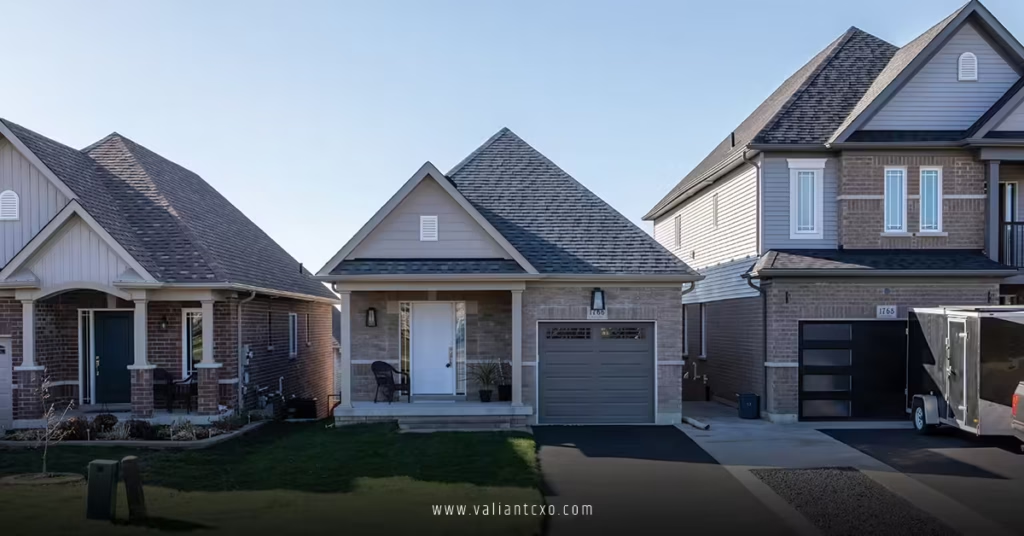
Think of real estate citizenship programs like buying a very expensive membership card. You purchase approved property, hold it for a minimum period (typically 3-7 years), then potentially sell it back.
The math works differently here than traditional real estate investing. You’re not buying for rental yields or market appreciation—though both can happen. You’re paying for the privilege of citizenship, with real estate as the vehicle.
Donation Route
The donation route cuts straight to the chase. No property management headaches. No wondering about resale markets. You write a check to the government, complete your due diligence, and receive your passport.
It’s citizenship as a service transaction.
2026 Program Landscape: What’s Changed
The citizenship by investment market has consolidated around quality over quantity. Several programs have either shut down or dramatically increased their requirements following international pressure.
Caribbean Powerhouses Still Standing
- St. Kitts & Nevis: The grandfather of all programs, operating since 1984
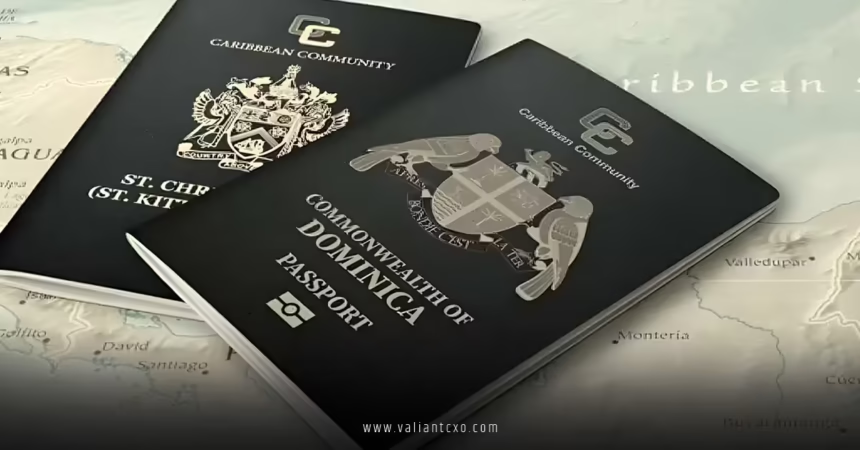
- Dominica: Most affordable donation option at $100K for singles
- Grenada: Only Caribbean program offering US E-2 treaty access
- Antigua & Barbuda: Requires 5-day annual residency requirement
- St. Lucia: Newest player with competitive pricing structure
European Options (Higher Bar, Higher Value)
Malta and Cyprus programs have essentially priced out most applicants, with Malta requiring €690K+ donations plus property purchases. Portugal’s Golden Visa shifted away from real estate in major cities, focusing on rural areas and alternative investments.
Cost Breakdown: Real Numbers, Real Decisions
Here’s where rubber meets road. The sticker price tells only part of the story.
| Program | Donation Route | Real Estate Route | Additional Costs | Processing Time |
|---|---|---|---|---|
| Dominica | $100K (single) | $200K property | $25K+ fees | 3-4 months |
| St. Kitts | $150K (single) | $400K property | $35K+ fees | 4-6 months |
| Grenada | $150K (single) | $350K property | $30K+ fees | 4-6 months |
| Antigua | $100K (family of 4) | $400K property | $30K+ fees | 3-4 months |
The “additional costs” column matters more than most people realize. Government fees, due diligence charges, legal expenses, and agent commissions easily add $25K-$50K to any application.
Real Estate Route: The Good, Bad, and Ugly
The Upside
Real estate gives you something tangible. Even if you never visit your investment property, you own a slice of paradise. Some investors have actually made money on resales, particularly in Grenada and St. Kitts where tourism drives legitimate demand.
The psychological factor matters too. Writing a $400K check feels different when you get property deeds versus a receipt for a government donation.
The Reality Check
Most citizenship-qualifying real estate doesn’t perform like traditional investments. Developers know they have a captive audience and price accordingly. Rental yields often disappoint, and resale markets remain thin.
You’re also locked in. Most programs require holding property for 3-7 years before selling. Real estate markets can shift dramatically in that timeframe.
Hidden Complications
Property ownership brings responsibilities. Property taxes, maintenance fees, insurance, and management costs continue long after you receive your passport. Some investors spend more on upkeep than they would have saved choosing real estate over donation.
Donation Route: Clean and Simple (Mostly)
Why Donations Work
No property management. No market risk. No resale worries. You pay, you wait, you get your passport.
For busy professionals, this simplicity has real value. A successful entrepreneur earning $2M annually doesn’t want to spend mental bandwidth managing Caribbean rental property.
The Permanent Loss
That money disappears forever. No inheritance value for children. No hedge against currency devaluation. Pure expense.
Some applicants struggle psychologically with large donations. It feels like paying ransom rather than making an investment.
Due Diligence: The Great Equalizer
Regardless of your chosen route, every citizenship by investment program requires extensive background checks. This process has become significantly more rigorous since 2020.
What They Actually Check
- Criminal background checks in every country you’ve lived
- Financial source verification for all investment funds
- Tax compliance history and current standing
- Professional references and character attestations
- Medical examinations and health clearances
- Detailed travel history and immigration records
The US Department of State monitors these programs closely, maintaining informal blacklists of questionable applicants.
Common Rejection Reasons
Most rejections happen during due diligence, not financial qualification. Red flags include unexplained wealth sources, tax non-compliance, criminal associations, or providing false information.
Timeline Realities: Managing Expectations
Donation Route Timeline
- Application Submission: 2-4 weeks to compile documents
- Initial Review: 4-6 weeks for completeness check
- Due Diligence: 8-12 weeks for background verification
- Final Approval: 2-4 weeks for passport issuance
Total: 3-6 months under normal circumstances.
Real Estate Route Timeline
- Property Selection: 2-8 weeks (travel required for most programs)
- Purchase Process: 4-8 weeks for legal completion
- Application Filing: 2-4 weeks after property closing
- Due Diligence: 8-12 weeks for background verification
- Final Approval: 2-4 weeks for passport issuance
Total: 6-18 months, depending on property selection speed.
Tax Implications: The Overlooked Factor
New citizenship creates new tax obligations. Most Caribbean nations don’t tax foreign-source income, but your home country obligations continue unchanged.
US citizens face particularly complex situations. The IRS Foreign Bank Account Report requirements apply to Caribbean bank accounts, regardless of how you obtained citizenship.
Consult qualified tax professionals before committing to either route. The passport itself might be the smallest expense compared to long-term tax planning costs.
Making Your Decision: A Framework
Choose Real Estate If:
- You value tangible assets over liquidity
- You don’t mind property management complexity
- You have time for 6-18 month processes
- You might actually visit or use the property
- You want potential recovery of investment
Choose Donation If:
- You prioritize speed and simplicity
- You don’t want ongoing property responsibilities
- You need citizenship quickly for business reasons
- You prefer clean, completed transactions
- The money represents discretionary rather than investment capital
Step-by-Step Action Plan
Phase 1: Research and Planning (4-6 weeks)
- Identify your primary motivation for second citizenship (business, travel, insurance, family legacy)
- Assess your financial position and determine comfortable investment levels
- Research specific country programs that align with your travel and business needs
- Consult with qualified tax advisors about implications in your home jurisdiction
- Interview authorized agents for your target programs (never work with unlicensed representatives)
Phase 2: Documentation and Preparation (6-8 weeks)
- Gather required personal documents (birth certificates, marriage certificates, education records)
- Obtain police clearances from every country where you’ve lived for 6+ months
- Compile financial documentation showing source of funds for your investment
- Complete medical examinations with approved healthcare providers
- Secure professional references from business associates and community leaders
Phase 3: Application and Processing (3-18 months)
- Submit complete application with all supporting documentation
- Make required financial commitments (property purchase or government donation)
- Respond promptly to any government requests for additional information
- Wait for due diligence completion (maintain communication with your agent)
- Receive approval and arrange passport collection or delivery
Common Mistakes That Kill Applications
Financial Documentation Errors
Applicants often underestimate the scrutiny applied to source of funds verification. Cryptocurrency gains, business sales, and inherited wealth require extensive documentation. The Financial Crimes Enforcement Network standards increasingly influence Caribbean due diligence processes.
Agent Selection Problems
Working with unlicensed agents or agencies with poor government relationships creates unnecessary delays and risks. Some agents oversell program benefits or understate requirements.
Incomplete Applications
Missing signatures, expired documents, or insufficient translations cause automatic rejections in most programs. Government processing timelines assume complete applications from day one.
Tax Compliance Issues
Outstanding tax obligations in any jurisdiction typically result in automatic rejection. Resolve all tax issues before beginning any citizenship application process.
Unrealistic Timeline Expectations
Emergency situations don’t accelerate government processing. Applications submitted for “urgent business needs” still require complete due diligence procedures.
Key Takeaways
- Speed vs. Recovery: Donation routes process faster; real estate offers potential investment recovery
- Total Cost Reality: Budget 25-50% above program minimums for fees, taxes, and professional services
- Due Diligence Uniformity: Background check requirements remain identical regardless of investment route chosen
- Program Stability: Established Caribbean programs show more stability than newer European alternatives
- Tax Planning Essential: Citizenship creates new obligations requiring professional guidance before application
- Agent Quality Matters: Licensed representatives with strong government relationships prevent costly delays and mistakes
- Documentation Standards: Government scrutiny has intensified significantly since 2020, requiring meticulous preparation
- Long-term Commitment: Most programs require ongoing compliance and potential residency requirements
Conclusion
The citizenship by investment real estate vs donation route 2026 decision ultimately comes down to your personal priorities around speed, complexity, and potential recovery of capital. Donation routes offer simplicity and speed, while real estate provides tangible assets with potential future value.
Both paths require substantial financial commitment, extensive due diligence, and professional guidance. The “right” choice depends on your specific circumstances, risk tolerance, and timeline requirements.
Your next step: identify your primary motivation for second citizenship, then match that goal against program characteristics rather than focusing solely on cost differences.
Choose wisely. Your passport will outlast most other investments you’ll ever make.
Frequently Asked Questions
Q: Can I switch from real estate to donation route after starting my application?
A: Most programs don’t allow mid-application route changes. You’ll typically need to withdraw and restart with a fresh application, losing time and potentially some fees.
Q: Do citizenship by investment real estate vs donation route 2026 programs accept cryptocurrency payments?
A: Very few programs accept cryptocurrency directly. Most require traditional bank transfers with clear audit trails for source of funds verification.
Q: What happens if I’m rejected after making the donation?
A: Legitimate programs refund donations (minus due diligence fees) if applications are rejected. However, legal and agent fees are typically non-refundable regardless of outcome.
Q: Can family members be added later to citizenship by investment applications?
A: Most programs allow adding spouses and minor children during the application process, but adding family members after approval requires separate applications with full processing fees.
Q: How do citizenship by investment programs affect my current passport and citizenship status?
A: Most countries allow dual citizenship, but some (like Singapore and Germany) may require renouncing existing citizenship. Check your home country’s specific rules before applying.