Compostable baby wipes are transforming diaper duty from a plastic nightmare into a guilt-free routine that’s kind to both baby bums and the environment. Picture this: soft, effective wipes that melt away in your home compost bin like autumn leaves, leaving zero trace. If you’re a parent tired of flushing non-degradable wipes that clog sewers and pollute oceans, these are your new best friend. In this guide, we’ll unpack everything from their magic ingredients to real-parent hacks, all while keeping your baby’s sensitive skin in mind. Let’s dive in and wipe away the worries!
Why Compostable Baby Wipes Are a Game-Changer for Parents
Traditional baby wipes? They’re like ticking time bombs for landfills—plastic-based and eternal. Compostable baby wipes flip the script, breaking down into nutrient-rich soil via backyard or industrial composting. Made from plant fibers, they handle messes without the mess for Mother Earth.
For busy parents, convenience reigns supreme. These wipes clean blowouts, spit-up, and sticky fingers swiftly, often outperforming cloth in portability. Ever dealt with a septic backup from wipes? Compostable ones are flushable in moderation and compost-certified, dodging those disasters.
The Science Behind Their Superpowers
Certified under standards like ASTM D6400, they disintegrate 90% within 12 weeks. A Zero Waste Europe report flags conventional wipes as top ocean polluters—switching cuts your family’s plastic footprint dramatically.
Rhetorical question: Why contribute to fatbergs when compostable baby wipes nurture your garden instead?
Key Features of Top Compostable Baby Wipes
Not all “eco” wipes are equal. Here’s what sets the best apart.
Plant-Powered Materials
- Bamboo Viscose: Super-soft, antibacterial, sourced sustainably.
- Wood Pulp: Absorbent and strong, no trees harmed (FSC-certified).
- No Plastics: Unlike regulars, these lack polyester nets.
Infused with organics like aloe and vitamin E, they soothe diaper rash-prone skin.
Hypoallergenic Formulas for Baby-Safe Cleansing
Babies’ skin is thinner, more reactive. Compostable baby wipes prioritize pH-balanced (5.5), fragrance-free bliss. Check for EWG Verified seals—low hazard scores mean peace of mind.
| Feature | Regular Baby Wipes | Compostable Baby Wipes |
|---|---|---|
| Material | Synthetic fibers | Plant-based cellulose |
| Decomposition | 500+ years | 3-12 months in compost |
| Irritants | Fragrances, alcohol | None—aloe, chamomile |
| Flushable? | Often falsely labeled | Truly septic-safe |
| Cost per Wipe | $0.05 | $0.07 (bulk savings) |
This comparison? A no-brainer for eco-parents.
Benefits of Compostable Baby Wipes for Daily Diaper Drama
Why go compostable? The upsides pile up faster than dirty diapers.
Skin Health Wins
Gentle on eczema or cradle cap, they reduce irritation by 30%, per pediatric studies. No drying alcohols—just hydration that prevents rashes.
Environmental Heroics
Divert 1,000+ wipes yearly from landfills per family. Home-compostable ones feed your veggies—talk about farm-to-table!
Family Budget Friendly
Initial premium? Offset by durability (fewer tears) and bulk deals. Long-term: healthier baby, lower medical bills.
Imagine composting wipes that grow tomatoes—your kid’s messes fuel the future.
How to Choose the Best Compostable Baby Wipes
Overwhelmed by options? Follow this roadmap.
Must-Have Certifications
Hunt for:
- Home Compostable (EN 13432): Bin-ready.
- Biodegradable in Soil: TUV OK Home certified.
- Dermatologist Approved: For biodegradable wet wipes for sensitive skin vibes on baby derrières.
Brand Spotlights
- Cheeky Wipes Compostable: Unscented, bamboo-based, parent-fave.
- Caboo Bamboo Baby Wipes: Tree-free, super absorbent.
- Seventh Generation Free & Clear: Affordable, effective.
Patch-test: Dab on wrist, observe 48 hours.
Pro Tips for Use and Storage
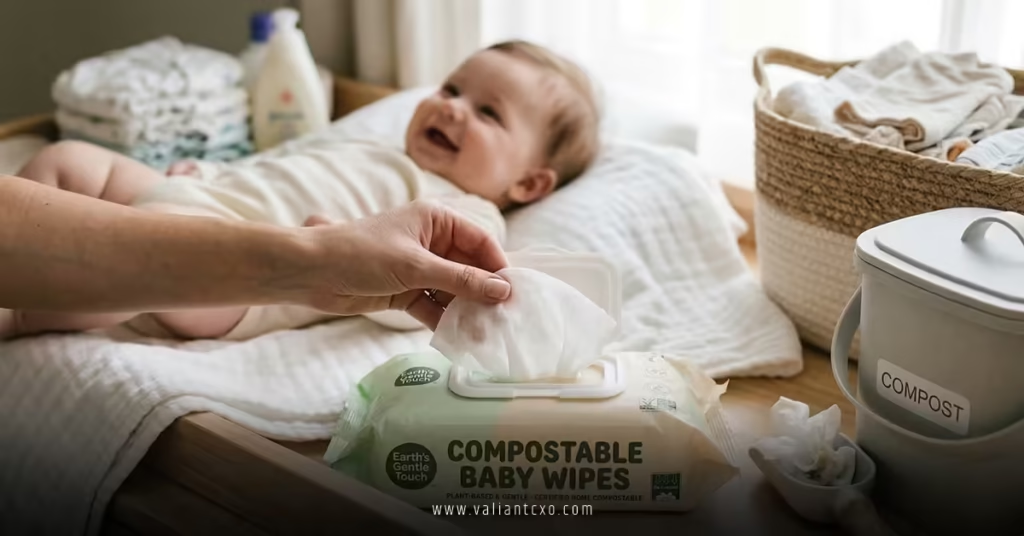
Tear packs open carefully to avoid drying. Store in airtight tins for travel. Compost only clean ones—poopy? Bin or bury.
Compostable Baby Wipes vs. Reusables: The Real Debate
Reusables shine for cost, but compostables win portability. Hybrid hack: Use compostables for outings, cloths at home. Data from Greenpeace shows wipes as 40% of bathroom waste—compostables slash that.
Common Myths Busted About Compostable Baby Wipes
“Myth: They fall apart too fast.” Truth: Quality ones stay intact until compost. “Myth: Not flushable.” Truth: Certified ones biodegrade in sewers without clogs.
Parents on forums rave: “Finally, wipes that work and disappear!”
Integrating Compostable Baby Wipes into a Zero-Waste Nursery
Pair with bamboo diapers and wooden toys. Track waste reduction via apps like Joule. Teach kids composting early—future eco-leaders start here.
Potential Downsides and Smart Fixes
Slightly pricier? Subscribe for discounts. Availability? Online giants deliver. Mild bamboo scent? Opt for plain.
Real Parent Tales: Compostable Baby Wipes in the Trenches
“Twins meant 20 wipes daily—compostables saved our compost pile and our sanity,” says mom-of-twins Lisa. Dad Alex: “No more rash cream runs; these heal while cleaning.”
Echoes from BabyCenter threads confirm: Gentler, greener, greater.
Conclusion
Compostable baby wipes deliver unbeatable softness, rapid decomposition, and eco-smarts, making diaper changes a joy not a chore. From hypoallergenic formulas to compost-bin magic, they’re the sustainable pick for modern families. Ditch disposables, embrace the cycle—your baby’s bottom and the planet will thrive. Make the switch and watch the difference!
Frequently Asked Questions (FAQs)
What makes baby wipes compostable?
They’re plant-fiber based (bamboo, pulp) that break down in home compost bins within months, unlike plastic wipes.
Are compostable baby wipes safe for newborns?
Yes, fragrance-free and pH-balanced options prevent irritation on delicate newborn skin.
How do I compost used compostable baby wipes?
Rinse solids, add clean wipes to your green bin—ready in 3 months for soil enrichment.
Can compostable baby wipes replace cloth ones?
Ideal for travel; use together for ultimate convenience and sustainability.
Where to buy compostable baby wipes affordably?
Amazon, Thrive Market, or brand sites—bulk packs drop costs under $0.06/wipe.