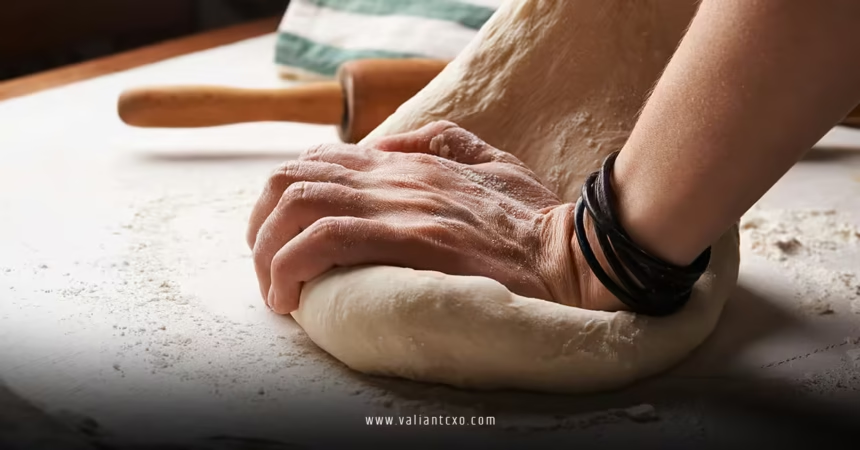
Millennium Dough Company administration June 2026 sent ripples through the pizza supply chain. The UK-based frozen dough maker officially entered administration on June 8, 2026, after 34 years in business.
This move puts its future in the hands of joint administrators Nicholas Charles Simmonds and Chris Newell from Quantuma Advisory Limited. For restaurant owners, suppliers, and food industry watchers in the US, it highlights how quickly costs can crush even profitable operations.
Here’s what you need to know right away:
- What happened: A specialist in artisan frozen pizza dough for restaurants, hotels, and chains hit £1.5 million in debts despite reporting strong profits earlier.
- Why it matters: Rising ingredient and energy costs hammered margins across food manufacturing.
- Current status: Administrators have eight weeks to propose restructuring or sale options.
- Impact on buyers: Potential supply disruptions for UK pizza spots, with possible ripple effects on global ingredient pricing.
- Lesson for the industry: Cash flow problems can overwhelm revenue fast when markets tighten.
This isn’t just another business failure. It’s a snapshot of post-pandemic pressures still squeezing food producers.
What Is Company Administration in the UK?
Millennium Dough Company administration June 2026 follows the standard UK insolvency route. Unlike US Chapter 11, which lets companies reorganize under court protection while operating, UK administration focuses on rescuing the business as a going concern or achieving a better result for creditors than immediate liquidation.
The process starts when directors or creditors appoint licensed insolvency practitioners. Here, Quantuma’s team stepped in after debts more than doubled from £751,052 in 2023.
In plain terms? The company keeps trading where possible while experts hunt for buyers or a turnaround plan. Creditors pause aggressive collection. It’s designed to save jobs and value instead of a fire sale.
For US readers used to Chapter 11 headlines, think of it as a faster, administrator-led rescue attempt. Many UK firms emerge stronger. Others get sold in pieces.
Background on Millennium Dough Company
Founded in 1992 in Greenford, West London, Millennium specialized in high-quality frozen pizza dough. They supplied major chains, independents, and commercial kitchens with consistent, artisan-style bases — including gluten-free and sourdough options in recent years.
The business was family-run for decades before Aquilla Food Group acquired it in 2023. It reported £1.7 million profit for the year ending October 2024. Sounds solid, right? Yet costs caught up.
Energy bills spiked. Ingredient prices for flour, yeast, and packaging climbed. Hospitality demand shifted after the boom years. Debt mounted. By early 2026, the writing was on the wall.
The kicker is how common this story has become. Food manufacturers face the same squeeze whether in London or Los Angeles.
Why Did Millennium Dough Enter Administration?
Rising operating costs topped the list. Cash flow dried up even as revenue held. Wider industry headwinds — inflation, labor shortages, and cautious consumer spending — didn’t help.
Administrators cited these exact pressures in statements. The company wasn’t alone. Similar challenges have hit pizza operators and suppliers on both sides of the Atlantic.
What usually happens is margins get thin, then invisible. One bad quarter turns into structural trouble. In my experience working with supply chain clients, ignoring early warning signs on working capital is the fastest route to this outcome.
Key Details at a Glance
| Aspect | Details | Implications for Stakeholders |
|---|---|---|
| Date of Administration | June 8, 2026 | Immediate trading continuity under oversight |
| Administrators | Nicholas Charles Simmonds & Chris Newell (Quantuma) | 8-week window for proposals |
| Debts | ~£1.5 million | Creditors prioritized in any sale/rescue |
| Pre-Admin Profit | £1.7M (year to Oct 2024) | Shows viability if costs are tamed |
| Location/Operations | Greenford, West London | Potential UK supply gaps for pizza operators |
| Ownership History | Acquired by Aquilla Food Group in 2023 | Buyer interest could accelerate resolution |
This table cuts through the noise. Numbers come straight from public filings and administrator notices.
What Happens Next in the Millennium Dough Company Administration June 2026?
Administrators will review operations, speak with customers and suppliers, and test the market for buyers. They aim to sell the business as a whole or in parts.
Trading likely continues in the short term to preserve value. Employees stay on for now. Suppliers might see delayed payments restructured.
For US businesses importing or benchmarking against UK suppliers, watch for price adjustments or alternative sourcing needs. The process could wrap up quickly or drag if no buyer emerges.
Step-by-Step Action Plan for Beginners
If you’re a restaurant owner or small supplier worried about similar risks, don’t wait for trouble.
- Review your cash flow weekly. Map out 90-day projections. Tools like QuickBooks or even a solid spreadsheet work wonders.
- Build supplier relationships. Have backup dough or ingredient sources lined up. Diversify early.
- Monitor costs relentlessly. Lock in fixed-price contracts where possible for flour and energy.
- Talk to professionals. Meet an accountant or insolvency advisor before red flags appear. Early advice saves businesses.
- Stress-test your model. What if ingredient costs rise 20% again? Run the numbers now.
What I’d do if I were in your shoes? Set alerts for industry news and keep a “Plan B” vendor list updated monthly.
Common Mistakes & How to Fix Them
Many operators ignore creeping debt. Millennium’s jump from under £800k to £1.5M shows how fast it escalates. Fix: Monthly balance sheet reviews. No excuses.
Over-reliance on one customer segment sinks margins when demand dips. Fix: Spread risk across chains, independents, and retail.
Poor inventory management ties up cash in frozen stock. Fix: Just-in-time ordering tied to sales forecasts.
Waiting too long for help. By the time directors call administrators, options narrow. Fix: Seek restructuring advice at the first sign of sustained losses.
Industry Context and Lessons for US Operators
Pizza remains huge in America, but supply chain fragility affects everyone. Learn from the UK example.
Rising costs aren’t temporary. Smart players hedge, automate where they can, and stay lean. Check resources from the National Restaurant Association for US-specific data on food cost trends. Or explore Companies House filings for international benchmarks.
Another solid read: UK Insolvency Service guidance explains administration mechanics clearly.
Key Takeaways
- Millennium Dough Company administration June 2026 proves profitability alone doesn’t guarantee survival.
- Debt doubling in under three years signals urgent cash management needs.
- UK administration offers a structured rescue path — faster than many US equivalents.
- Diversification and tight cost control are non-negotiable.
- Early professional advice beats panic later.
- Supply disruptions could nudge pizza base prices upward short-term.
- The industry is resilient; adaptable businesses will thrive.
- Watch the next 8 weeks for sale or restructuring news.
Bottom line: Events like this remind us the food game rewards vigilance. Whether you’re running a pizzeria or supplying one, stay ahead of the numbers. Reach out to a trusted advisor this week if your margins feel squeezed. Proactive moves now prevent administration headlines later.
FAQs
What does the Millennium Dough Company administration June 2026 mean for pizza restaurants?
It could mean temporary supply hiccups or price changes for frozen dough in the UK. US operators should review their own vendors for similar vulnerabilities and line up alternatives.
Can the company survive the administration process?
Yes. Many UK firms exit administration stronger through sale or restructuring. The next few weeks will show if a buyer steps in to keep operations running.
How does UK administration differ from US bankruptcy for food companies?
UK administration prioritizes quick rescue under expert control. US Chapter 11 allows longer debtor-in-possession operations. Both aim to save viable businesses, but timelines and powers differ.