Climate Change Impacts on Polar Region accelerate faster than most models predicted even a few years back. Polar areas warm at rates that dwarf the global average, reshaping ice, oceans, wildlife, and global systems in real time.
Recent extremes drive the point home hard. In June 2026, Antarctica logged shocking warmth amid what should be deep winter.
- Amplified warming: Arctic heats 2-3 times faster than the planet overall; Antarctic Peninsula shows pronounced shifts.
- Ice loss: Arctic sea ice shrinks ~13% per decade; Greenland and Antarctic sheets shed massive volumes annually.
- Sea level threat: Melting contributes directly to coastal risks worldwide.
- Ecosystem disruption: Species from polar bears to penguins face habitat collapse.
- Feedback loops: Permafrost thaw and reduced ice albedo speed up global warming.
Climate Change Impacts on Polar Region hit hardest at the edges of our planet but ripple everywhere. Here’s what’s unfolding in 2026.
Why Polar Regions Warm So Dramatically
Polar amplification isn’t theory—it’s physics in action. Dark ocean water absorbs more sunlight than reflective ice. Losing that ice creates a vicious cycle. Thin, young ice forms easier but melts quicker.
In the Arctic, average temperatures have climbed sharply. Antarctica tells a more complex story: the Peninsula warms fast while East Antarctica shows variability. Yet 2026 delivered a stark reminder with record winter temperatures in Antarctica 2026, where Esperanza Base hit 15.4°C in June—shattering prior winter marks by 2°C and running 20°C above norms.
What does a winter heatwave in the deep freeze mean? It signals instability that could accelerate ice shelf collapse and alter ocean currents.
Major Climate Change Impacts on Polar Region
Sea Ice Decline
Arctic summer ice extent drops relentlessly. 2025-2026 saw near-record lows, with the oldest ice nearly gone. Antarctic sea ice hit low points too. Less ice means more open water, changing weather patterns far south.
Ice Sheet Melt and Sea Level Rise
Greenland pours billions of tons into the ocean yearly. West Antarctica loses mass through ocean warming that undercuts shelves. One degree here triggers meters of potential rise over centuries.
Permafrost Thaw
Arctic ground that stayed frozen for millennia now softens. It releases stored methane and CO2, destabilizes infrastructure, and turns rivers orange with released minerals.
Wildlife and Ecosystem Shifts
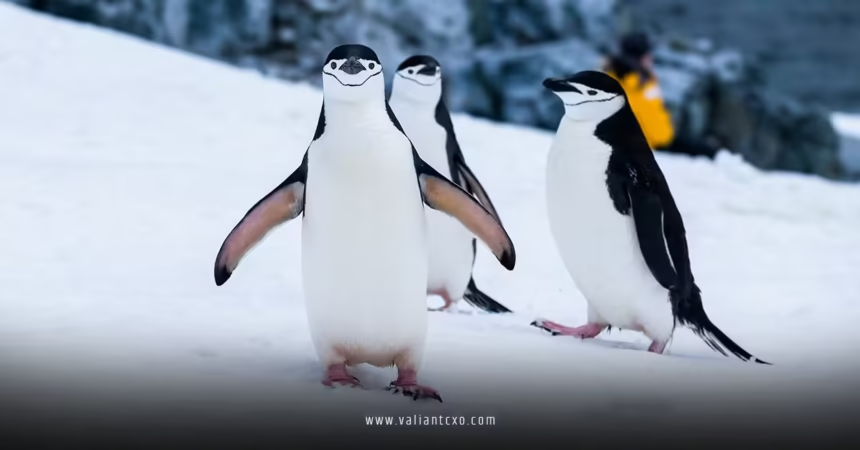
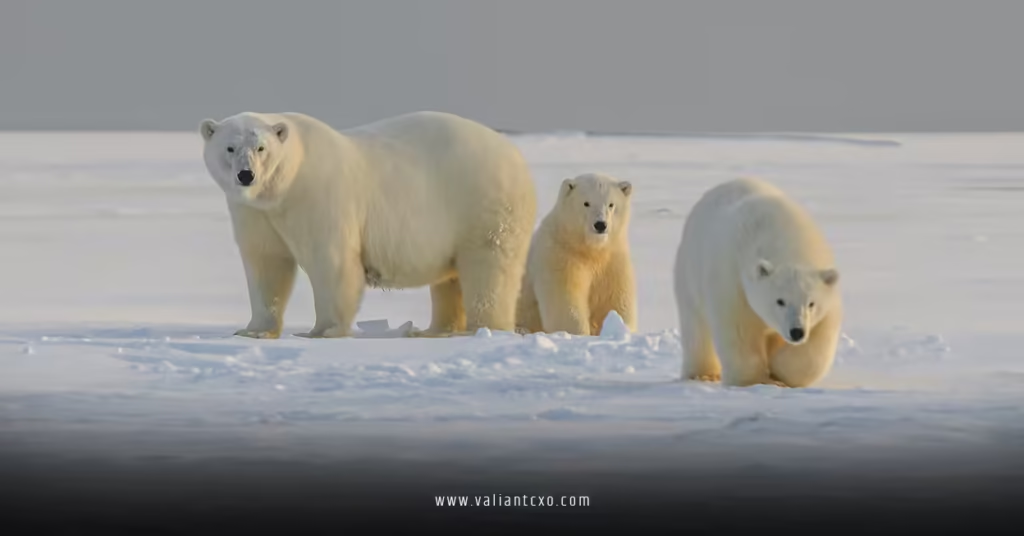
Polar bears lose hunting platforms. Penguin colonies suffer from changing food webs. Warmer conditions bring invasive species and disease risks to isolated ecosystems.
Ocean Changes
Acidification and warming disrupt krill and plankton bases. This cascades up the food chain to seals, whales, and seabirds.
Record Winter Temperatures in Antarctica 2026 and Broader Signals
The June 2026 heat spike on the Antarctic Peninsula wasn’t a fluke. Prolonged above-freezing temps for weeks raised alarms about tipping points. Scientists called it “absolutely crazy.” Such events threaten ice stability in ways winter should prevent.
This fits larger patterns of extremes. While some interior areas show variability, the overall trajectory points to faster change. These anomalies offer early warnings for global systems.
Comparison Table: Polar Regions Then vs. Now (2026 Context)
| Impact Area | Pre-2000 Baseline | 2026 Observations | Global Ripple Effects |
|---|---|---|---|
| Arctic Warming | Near global average | 2-3x faster | Altered jet stream, extreme weather |
| Sea Ice Extent | Stable multi-year ice dominant | 13% decade loss; record lows | Shipping routes open, habitat loss |
| Antarctic Winter Temps | Rare above-freezing | Record 15.4°C in June 2026 | Ice shelf risks, ocean circulation |
| Permafrost | Largely stable | Widespread thaw, infrastructure damage | Carbon release feedback |
| Wildlife | Intact ice-dependent populations | Declines in polar bears, penguins | Biodiversity loss, fisheries impact |
Step-by-Step Action Plan for Understanding and Responding
- Follow the Data: Track NSIDC and NASA reports monthly. Don’t wait for headlines.
- Connect the Dots: Link polar changes to your local weather or sea levels. Models improve yearly.
- Support Monitoring: Back polar research stations and satellite programs—they provide the raw truth.
- Reduce Emissions Locally: Cut personal and business carbon where it counts—transport, energy, diet.
- Advocate Policy: Push for stronger international protections and emissions targets.
- Educate and Adapt: Share facts. Coastal communities especially need resilience planning now.
What I’d do? Start with one deep dive into a credible source weekly. Knowledge beats denial.
Common Mistakes & How to Fix Them
Mistake 1: Thinking poles are too far away. Fix: Recognize teleconnections—polar warming messes with mid-latitude weather.
Mistake 2: Cherry-picking cold snaps. A single cold day doesn’t erase trends. Fix: Look at long-term data and extremes like record winter temperatures in Antarctica 2026.
Mistake 3: Ignoring feedbacks. Fix: Factor in methane release and albedo loss when assessing urgency.
Mistake 4: Despair without action. Fix: Focus on solvable pieces—emissions cuts slow the trajectory.
Mistake 5: Over-relying on single models. Fix: Use ensembles from IPCC and ongoing observations.
Climate Change Impacts on Polar Region in Context
Organizations like WWF Arctic and NSIDC document these shifts in detail. For Antarctic specifics, resources from the British Antarctic Survey highlight real-time changes. Broader science comes via IPCC reports.
These impacts aren’t abstract. They reshape economies, security, and daily life globally.
Key Takeaways
- Polar regions amplify climate change, with Arctic warming 2-3 times the global rate.
- Sea ice loss and ice sheet melt drive sea level rise and ecosystem collapse.
- Events like record winter temperatures in Antarctica 2026 signal accelerating risks.
- Permafrost thaw creates dangerous carbon feedbacks.
- Wildlife from bears to penguins face existential pressures.
- Global weather patterns shift as a direct result.
- Early action on emissions can still limit worst outcomes.
- Monitoring and science remain our best tools for navigation.
Climate Change Impacts on Polar Region demand clear eyes and steady response. The poles aren’t distant sentinels—they’re the canary showing the mine’s air quality for everyone.
Stay informed. Push for reductions. The window for meaningful course correction hasn’t closed yet.
FAQs
What are the primary climate change impacts on polar region ecosystems?
Rapid ice loss, habitat disruption for species like polar bears and penguins, permafrost thaw releasing greenhouse gases, and shifts in ocean food webs top the list.
How do record winter temperatures in Antarctica 2026 relate to overall climate trends?
They highlight extremes and potential tipping points in ice stability, even during cold seasons, underscoring faster-than-expected warming in vulnerable areas.
Can individuals do anything about climate change impacts on polar region?
Yes—reduce personal emissions, support research and policy, and amplify credible science to build broader momentum for global action.