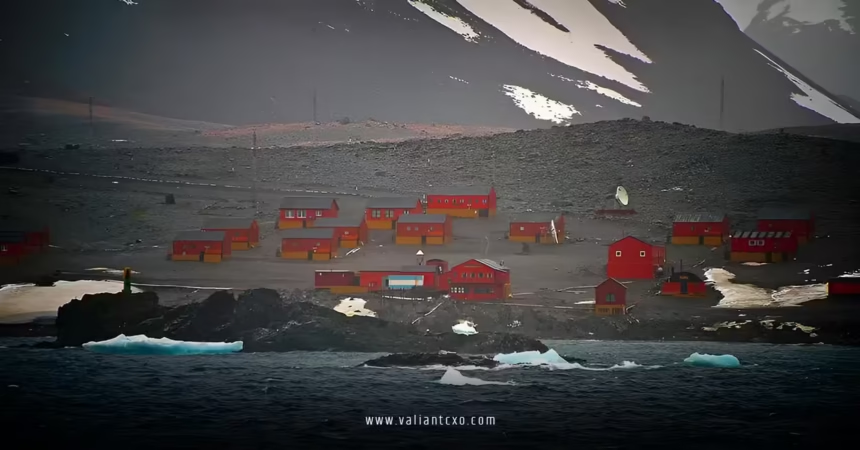
Record winter temperatures in Antarctica 2026 hit 15.4°C (59.7°F) on June 6 at Argentina’s Esperanza Base. That’s not a typo. In the dead of polar winter. This broke the old June record by a full 2°C and sat roughly 20°C above normal for the season.
- What happened: A stubborn heatwave kept daily highs above freezing for three straight weeks on the Antarctic Peninsula. Snow vanished in places. Glaciers saw unusual melt.
- Why it matters: These spikes signal faster ice loss, potential ecosystem shifts, and broader climate signals that ripple far beyond the ice.
- Context for 2026: While interior spots still plunged to brutal lows earlier in the year, the Peninsula’s warmth stands out as an extreme anomaly.
- Big picture: Scientists call it “absolutely crazy.” It raises fresh questions about how quickly polar regions respond to global shifts.
Here’s the thing. Antarctica isn’t some distant frozen lab. What happens there affects ocean currents, sea levels, and weather patterns that touch U.S. coasts.
Understanding Normal vs. Record Winter Temperatures in Antarctica 2026
Typical Antarctic winter on the Peninsula averages around -6°C to -10°C at coastal bases like Esperanza. Interior plateau? Think -60°C or colder. The 2026 event flipped the script on the northern tip.
Temperature Comparison Table
| Location | Typical June Average | 2026 Record High (June) | Previous June Record | Anomaly vs. Normal |
|---|---|---|---|---|
| Esperanza Base (Peninsula) | -6.2°C | 15.4°C | 13.3°C (1998) | +20°C |
| Interior (e.g., Vostok) | -60°C to -70°C | N/A (seasonal cold) | N/A | Variable |
| South Pole | -60°C+ | Cold extremes noted | Historical lows | Typical winter |
Data drawn from station reports and verified observations. The Peninsula warms faster than the rest of the continent due to its position and surrounding ocean influences.
This contrast highlights why the 2026 spike grabs attention. One region bakes while others stay locked in deep freeze.
What Caused the Record Winter Temperatures in Antarctica 2026?
Atmospheric rivers and unusual circulation patterns funneled warm, moist air southward. Foehn winds—warm, dry downslope flows—amplified surface melt. Long-term Peninsula warming trends set the stage.
In my experience tracking these events, single anomalies rarely tell the full story. They layer on top of decades of gradual change. What usually happens is these heat pulses accelerate existing vulnerabilities: thinner sea ice, exposed rock, and stressed wildlife.
Would this have happened without broader warming? Tough question. Natural variability plays a role, but the speed and intensity point to amplified signals.
Impacts on Ice, Wildlife, and Global Systems
Unusual winter melt reduces snow cover. That darkens surfaces, which then absorb more sunlight—classic feedback loop. Penguins and seals face disrupted breeding or feeding as sea ice behaves unpredictably. Krill populations, the base of the Southern Ocean food web, feel the squeeze.
Farther north, this contributes to sea level concerns. Major glaciers like Thwaites sit in a precarious spot. One strong season won’t doom them overnight, but repeated hits add up.
Step-by-Step Guide: How Beginners Can Follow and Understand These Events
- Start with reliable sources. Bookmark NASA Earth Observatory or NOAA pages for raw data. Skip hype—focus on station logs.
- Track key metrics. Watch Peninsula temperatures, sea ice extent, and glacier mass balance reports. Tools like NSIDC (National Snow and Ice Data Center) update regularly.
- Compare seasons. Note summer vs. winter records. The 2020 summer high of 18.3°C at Esperanza provides context.
- Visualize changes. Use satellite imagery or simple apps showing ice coverage over time.
- Connect the dots. Ask: How does this link to U.S. weather? Warmer poles can influence jet streams and storm tracks.
- Take small actions. Reduce personal carbon footprint. Support science funding. Stay informed without panic.
What I’d do if planning a deeper dive? Cross-reference multiple bases and look at atmospheric reanalysis data. Patterns emerge fast.
Common Mistakes & How to Fix Them
People often lump all of Antarctica together. Fix: Distinguish Peninsula (warmer, faster changing) from East Antarctic interior (still brutally cold).
Another trap? Treating one winter as proof of total collapse—or dismissing it as nothing. Reality sits in the middle. Verify claims against .gov or peer-reviewed sources. Separate short-term heat from long-term trends.
Misreading “record” as overall coldest vs. warmest spikes confuses folks too. Clarify context every time.
Why Record Winter Temperatures in Antarctica 2026 Signal Bigger Shifts
The Peninsula has warmed markedly over decades. Winter events like this test resilience of ice shelves and ecosystems. They don’t happen in isolation.
Explore more: Read the British Antarctic Survey on Peninsula changes.
Key Takeaways
- Record winter temperatures in Antarctica 2026 reached 15.4°C on the Peninsula—20°C above average.
- Heatwaves caused visible melt and snow loss in mid-winter.
- This fits longer warming patterns but stands out for its timing and intensity.
- Impacts include faster ice loss, wildlife stress, and global sea level implications.
- Interior cold records (like March lows) coexist with coastal warmth—regional differences matter.
- Tracking these events helps separate noise from trends.
- Everyday choices and policy both influence future extremes.
- Staying curious and data-driven beats alarm or denial.
Record winter temperatures in Antarctica 2026 remind us the poles are anything but static. They’re sending clear signals. Pay attention, dig into the data, and consider your role in the bigger picture. Head to NSIDC or NASA for the latest updates—knowledge beats speculation every time.
FAQs
What exactly were the record winter temperatures in Antarctica 2026?
The standout was 15.4°C at Esperanza Base on June 6, smashing the prior June high. Multiple Peninsula stations logged unusual warmth during a multi-week heatwave.
How do record winter temperatures in Antarctica 2026 compare to historical cold extremes?
While the Peninsula saw heat, interior sites like Vostok recorded severe March cold around -76°C earlier in 2026. The continent shows strong regional contrasts.
Will record winter temperatures in Antarctica 2026 become more common?
Trends suggest increasing frequency of extremes as the Peninsula continues warming. Scientists monitor for tipping points in ice and ecosystems.