The Nipah virus outbreak West Bengal January 2026 has sent shockwaves through the region and beyond, reminding us once again how unpredictable and dangerous zoonotic viruses can be. Imagine a quiet winter in West Bengal suddenly interrupted by news of a deadly pathogen resurfacing after nearly two decades. That’s exactly what happened as reports emerged in early January 2026 of confirmed cases linked to healthcare workers in the Kolkata area. This isn’t just another headline—it’s a stark alert about the persistent threat from viruses that jump from animals to humans.
In this comprehensive guide, we’ll dive deep into everything you need to know about the Nipah virus outbreak West Bengal January 2026. From the initial sparks of infection to the response efforts, symptoms, prevention tips, and what it means for public health moving forward. Let’s break it down step by step so you can stay informed without the panic.
What Sparked the Nipah Virus Outbreak West Bengal January 2026?
The Nipah virus outbreak West Bengal January 2026 began making headlines when two nurses at a private hospital in Barasat (near Kolkata) tested positive for the Nipah virus (NiV). These healthcare workers, who had been on duty together in late December 2025, started showing severe symptoms by early January. One fell critically ill, requiring ventilator support, while the other’s condition fluctuated but showed some improvement over time.
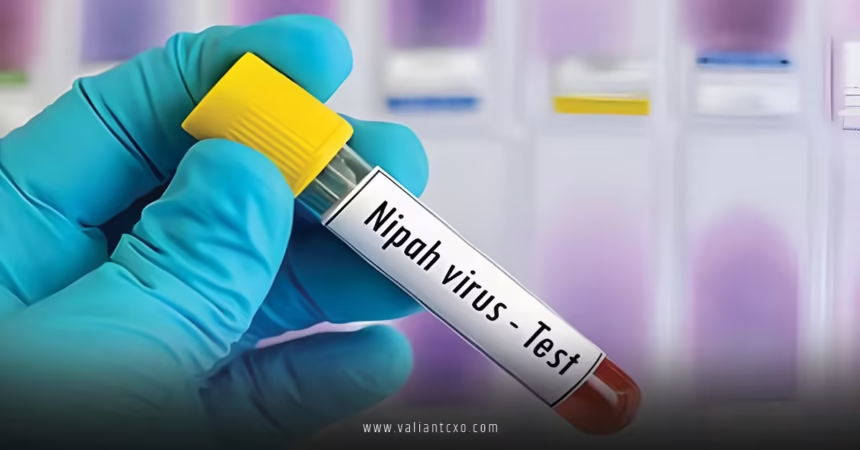
Health officials traced potential exposure to contaminated date palm sap— a traditional drink in parts of West Bengal and neighboring areas—or possibly contact with an infected patient who had passed away with similar encephalitis-like symptoms. The cases were confirmed through specialized lab testing, prompting immediate action. By mid-January, authorities had identified over 120 high-risk contacts across districts like North 24 Parganas, Nadia, and Purba Bardhaman, all placed under strict monitoring.
Why West Bengal now, after so long? The state shares a border with Bangladesh, where Nipah has caused sporadic outbreaks for years. Fruit bats, the natural reservoir, thrive in the region’s humid climate and fruit orchards. A spillover event—likely through raw date palm sap contaminated by bat saliva or urine—seems to have ignited this cluster. It’s a classic zoonotic chain: bat to food to human, then potentially human to human in close settings like hospitals.
Understanding the Nipah Virus: Why Is It So Feared?
Have you ever wondered why some viruses grab global attention while others fade away? Nipah fits squarely in the “high-threat” category because of its lethality and lack of defenses against it.
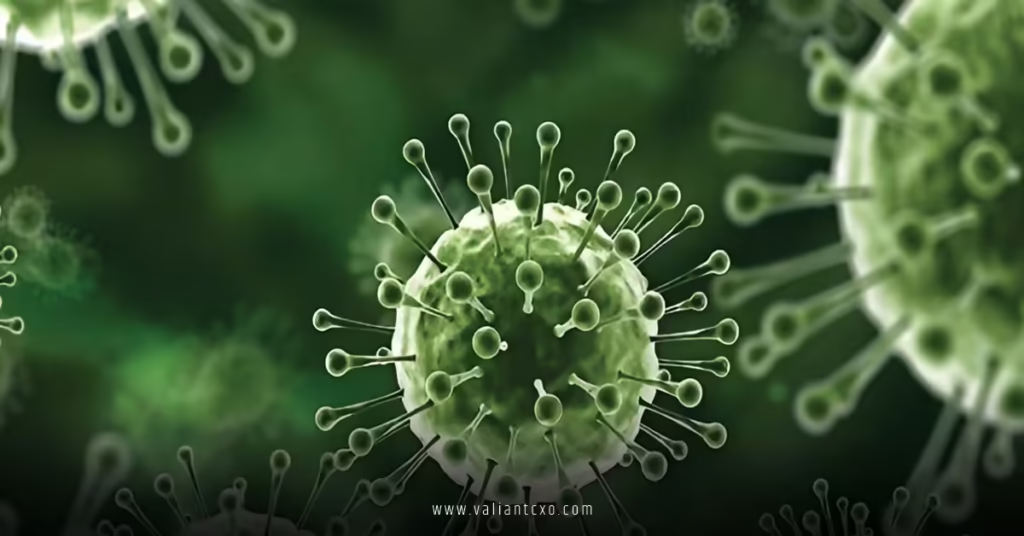
First identified in 1998 during an outbreak in Malaysia (where it got its name from the village of Sungai Nipah), the virus belongs to the Henipavirus genus. Fruit bats of the Pteropus species—commonly called flying foxes—are the primary carriers. They don’t get sick but shed the virus in their saliva, urine, and feces.
In humans, Nipah can cause anything from mild flu-like illness to severe encephalitis (brain inflammation) or respiratory distress. The fatality rate in past outbreaks has ranged from 40% to 75%, depending on the strain and access to care. No approved vaccine exists yet, and there’s no specific antiviral treatment—doctors rely on supportive care like managing seizures, breathing support, and hydration.
Think of it like a stealthy intruder: it starts innocently with fever and headache, then escalates rapidly. That’s why early detection is everything in containing the Nipah virus outbreak West Bengal January 2026.
Timeline of the Nipah Virus Outbreak West Bengal January 2026
Let’s map out how this unfolded, because timing tells the story of containment success or challenges.
- Late December 2025: The two nurses work shifts together at Narayana Multispeciality Hospital in Barasat.
- December 31, 2025 – January 2, 2026: Symptoms emerge—high fever, respiratory issues.
- Early January 2026: Admission to ICU; samples sent for testing.
- Mid-January 2026: Confirmation of Nipah; state health department alerts the public, deploys National Joint Outbreak Response Team (NJORT).
- January 14–20, 2026: Reports vary, with some sources mentioning up to five cases (including suspected ones), though confirmed figures hover around two primary cases. Contact tracing ramps up, with 90–120 people monitored.
- Ongoing into late January: One patient stabilizes somewhat, the other remains critical. No widespread community transmission reported, but surveillance intensifies across neighboring states like Tamil Nadu.
This rapid response echoes lessons from Kerala’s multiple Nipah episodes (2018, 2019, 2021, 2023, 2024), where quick isolation and tracing kept numbers low.
Symptoms to Watch For in the Nipah Virus Outbreak West Bengal January 2026
Worried you might miss the signs? Here’s what health experts urge people to notice:
- Initial phase (4–14 days after exposure): Fever, headache, muscle pain, vomiting—sounds like many illnesses, right?
- Progression: Drowsiness, disorientation, breathing difficulties.
- Severe stage: Encephalitis leading to seizures, coma, or respiratory failure.
If someone has these, especially with travel history to affected areas or contact with sick people/bats/raw palm products, seek medical help immediately. Hospitals in West Bengal have set up isolation wards for suspected cases.
How Does Nipah Spread and Who’s at Risk?
Transmission happens in three main ways:
- Animal to human: Eating contaminated date palm sap, fruits bitten by bats, or direct contact with infected pigs (as in the original Malaysian outbreak).
- Human to human: Close contact—think coughing, sneezing, or bodily fluids in healthcare or household settings.
- Foodborne: Raw date palm sap is a big culprit in Bangladesh and now potentially West Bengal.
Healthcare workers are particularly vulnerable, as seen in this outbreak. That’s why PPE, hand hygiene, and isolation protocols are non-negotiable.
Response and Containment Efforts During the Nipah Virus Outbreak West Bengal January 2026
Kudos to the teams on the ground—they moved fast. Key actions include:
- Nationwide alert from the Government of India.
- Contact tracing and home quarantine for high-risk individuals.
- Enhanced surveillance for Acute Encephalitis Syndrome (AES) in states like Tamil Nadu.
- Advisories: Avoid raw date palm sap, don’t eat fallen or bat-bitten fruits, maintain hygiene.
- No lockdown declared—focus on targeted measures instead of blanket restrictions.
This approach aims to prevent panic while curbing spread. It’s reassuring to see lessons from past outbreaks applied effectively.
For more on Nipah basics, check the World Health Organization’s Nipah virus fact sheet. For India’s health guidelines, refer to the Ministry of Health and Family Welfare updates. And for detailed outbreak reporting, see NDTV Health coverage on Nipah.
Prevention Tips: How You Can Protect Yourself
You don’t have to wait for official orders—simple steps go a long way:
- Skip raw date palm sap (toddy) during winter months when bats are active.
- Wash fruits thoroughly; peel them if possible.
- Use gloves when handling animals or sick people.
- Practice handwashing religiously.
- Seek prompt medical care for fever with neurological symptoms.
These habits aren’t just for Nipah—they shield against many zoonoses.
What the Nipah Virus Outbreak West Bengal January 2026 Means for the Future
This event highlights gaps: no vaccine despite years of research, reliance on surveillance, and the ongoing risk from bat habitats overlapping human areas. It also shows India’s public health system’s maturity in responding swiftly.
Stay vigilant, but don’t live in fear. Knowledge is your best shield.
In summary, the Nipah virus outbreak West Bengal January 2026 started with a small cluster in healthcare settings but was met with aggressive containment. Key takeaways: Recognize symptoms early, avoid risky foods like raw palm sap, and trust health authorities’ guidance. By staying informed and cautious, we can limit its impact and protect our communities. Let’s hope for quick resolution and continued vigilance against emerging threats.
FAQs About the Nipah Virus Outbreak West Bengal January 2026
1. What caused the Nipah virus outbreak West Bengal January 2026?
The outbreak appears linked to two nurses infected possibly via contaminated date palm sap or hospital exposure. Fruit bats are the reservoir, and spillover occurred in areas like Nadia district.
2. How many cases have been confirmed in the Nipah virus outbreak West Bengal January 2026?
Reports confirm at least two primary cases (both nurses), with some mentions of suspected additional cases. Over 120 contacts are under observation, but no large-scale community spread has been reported.
3. Is there a vaccine or treatment for Nipah during the Nipah virus outbreak West Bengal January 2026?
No approved vaccine or specific antiviral exists. Treatment is supportive—managing symptoms, ICU care, and preventing complications. Early detection improves chances.
4. Should I be worried about travel to West Bengal amid the Nipah virus outbreak West Bengal January 2026?
Follow official advisories. Avoid raw date palm products and monitor for symptoms if you’ve been in affected districts. No lockdown is in place, and risks remain low outside close contacts.
5. How is the Nipah virus outbreak West Bengal January 2026 being controlled?
Through contact tracing, quarantine, isolation wards, enhanced AES surveillance, and public advisories. National teams are involved, drawing from successful Kerala models.